In January 2025, a fellow journalism alumnus and I were invited to be interviewed on BYU-Idaho’s Fulfilling the Mission podcast, which highlights students’ experiences and how they align with the university’s mission.
I was thrilled to be interviewed for this podcast—it was a wonderful opportunity to reflect on my college experience and share insights that could benefit future students!
From April to December of 2024, I was the Friend Digital Messaging Intern for a children’s Christian magazine.
Traditionally, a Church Magazine internship is four months long. Because of my experience and the needs of the office, my internship was extended for the 2024 year. I was responsible for assisting with the direction of and creating print and digital content for the global Friend magazine.
Editorial
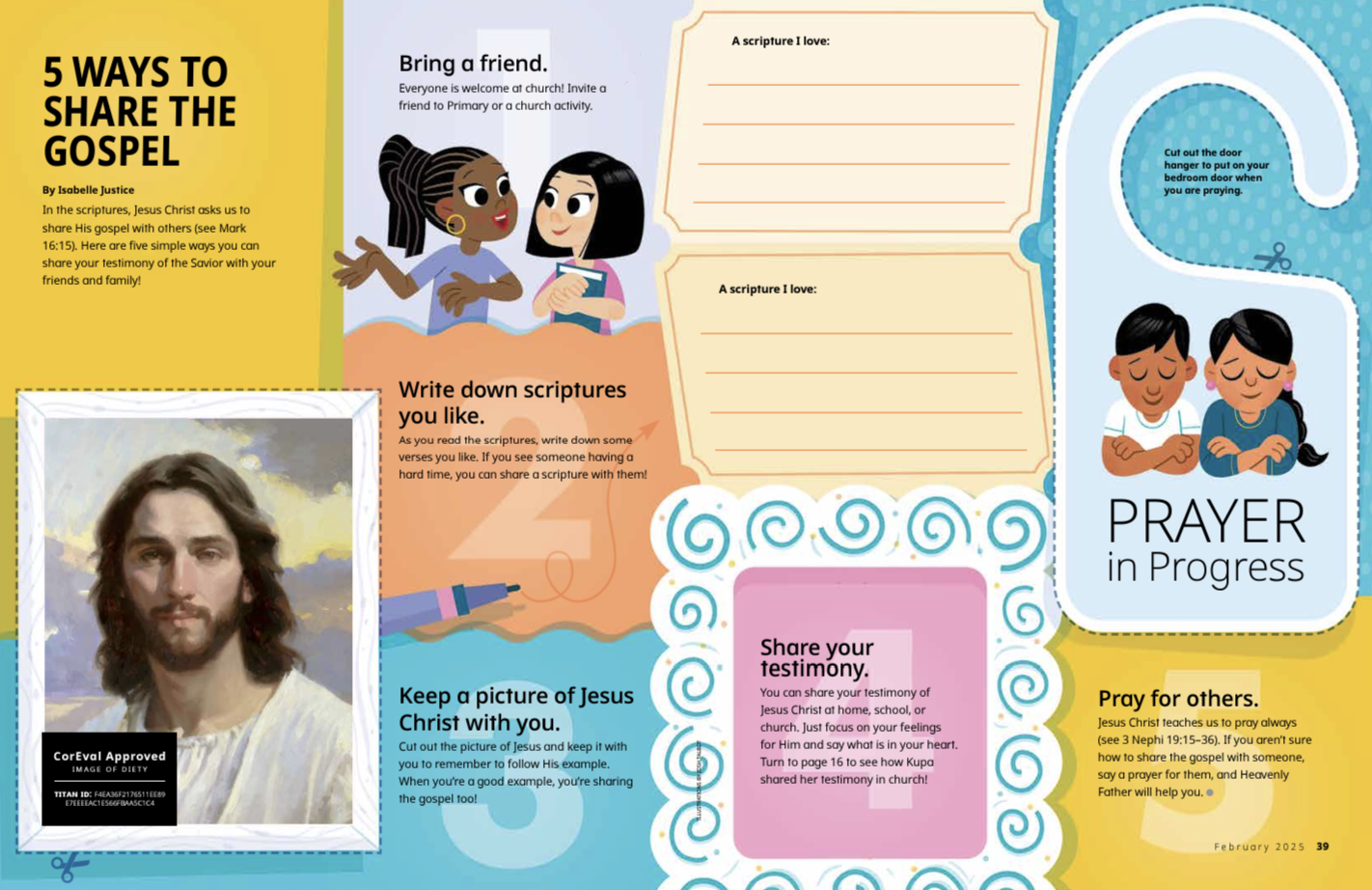
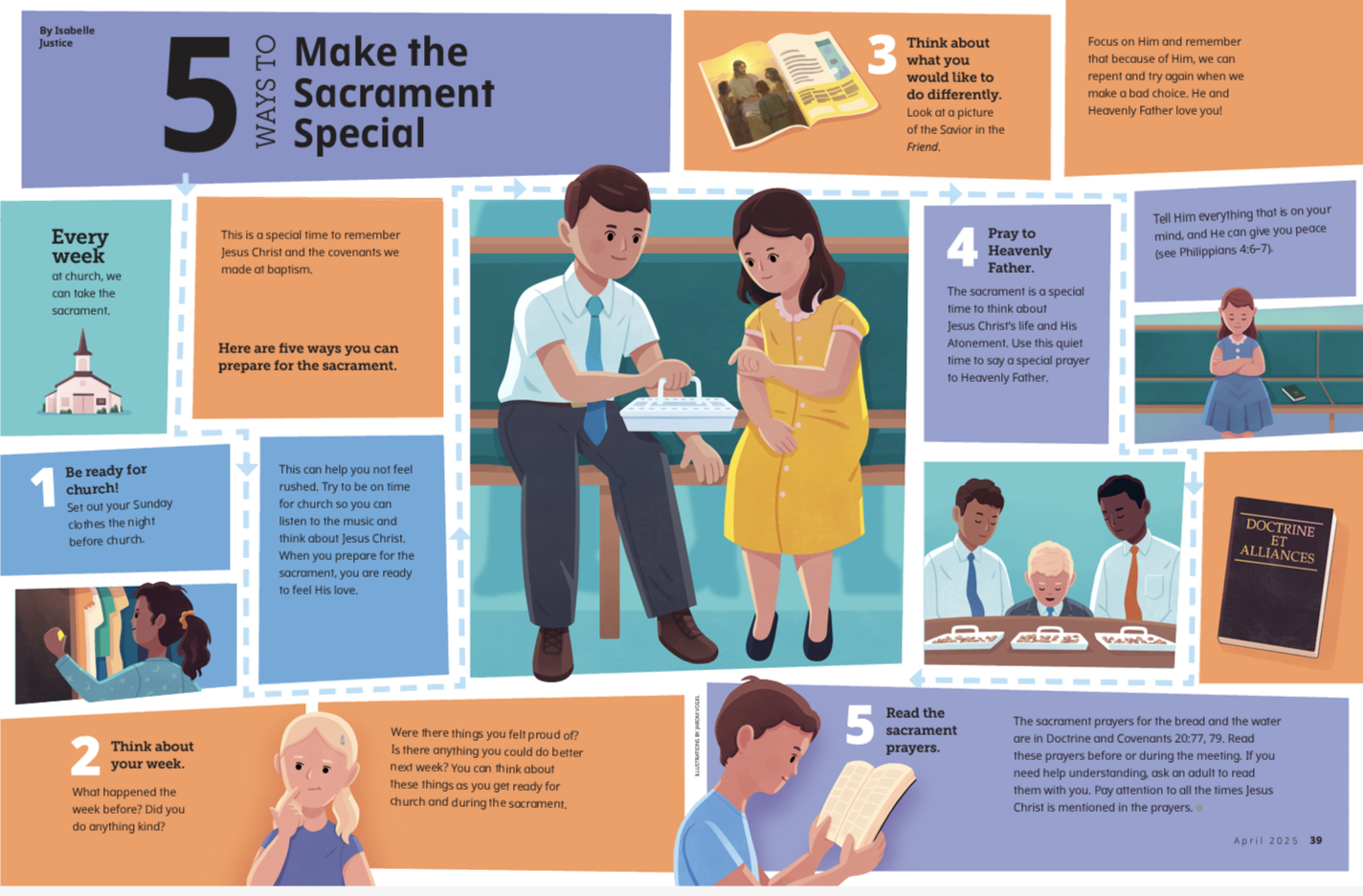
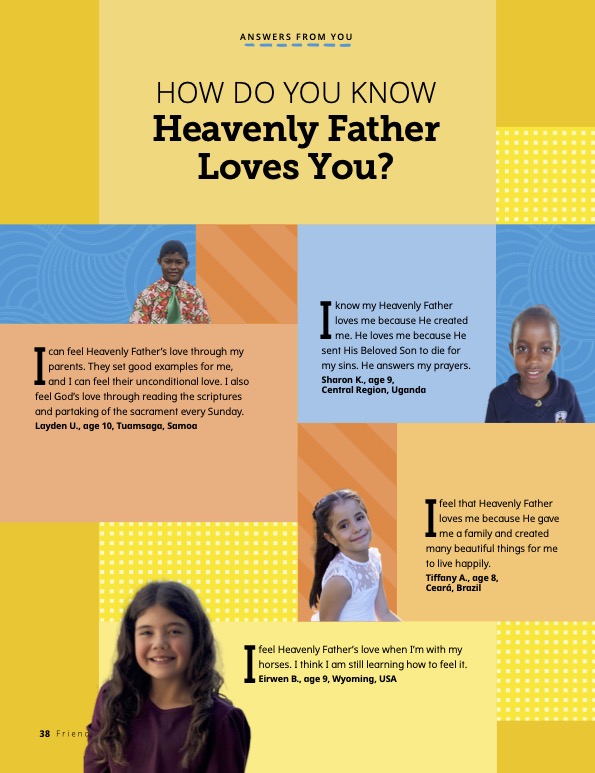
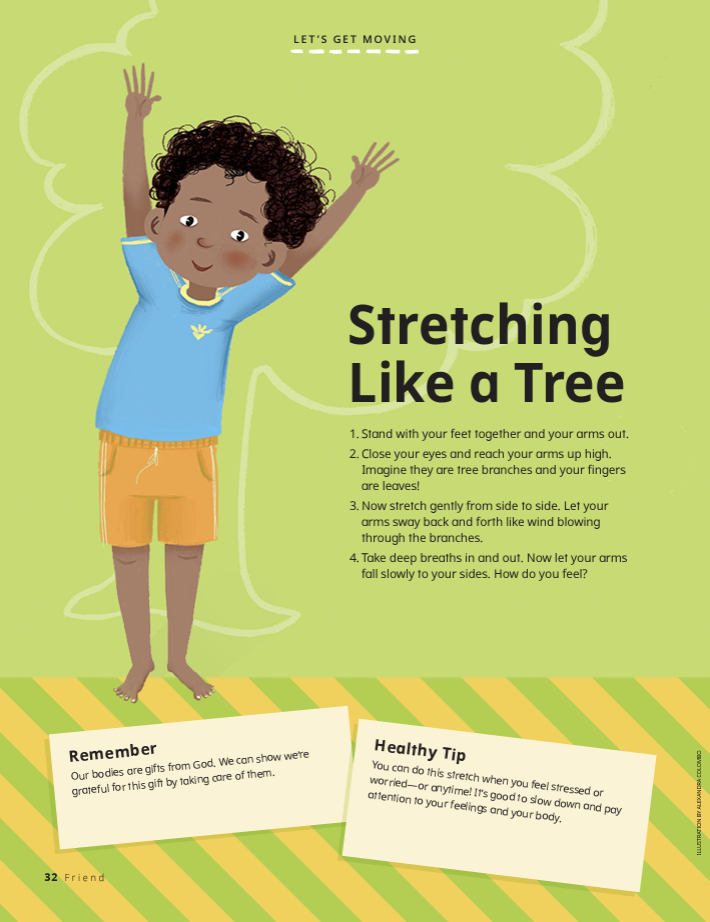
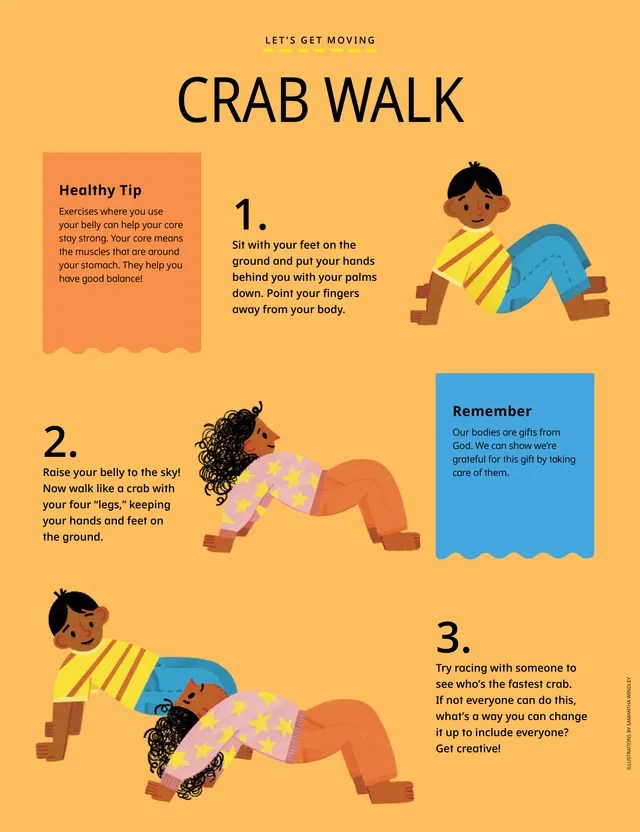
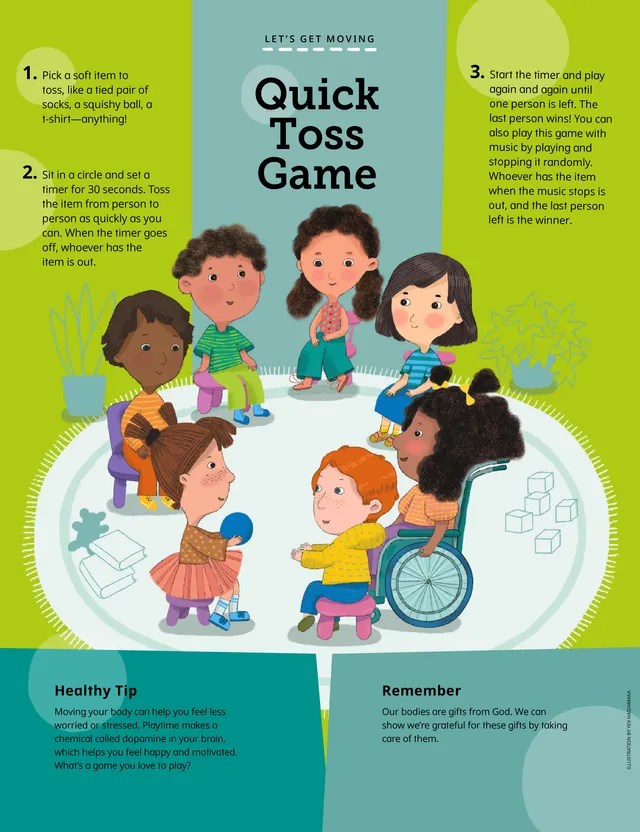
I wrote 22 articles for the Friend and was a peer editor for all monthly content. I was also in charge of the Let’s Get Cooking and Let’s Get Moving departments, where I wrote all articles for the 2025 year, except for January 2025.
More information about my writing in this position can be made available upon request.
Friend Emails
Check out emails I’ve written for the Friend below.
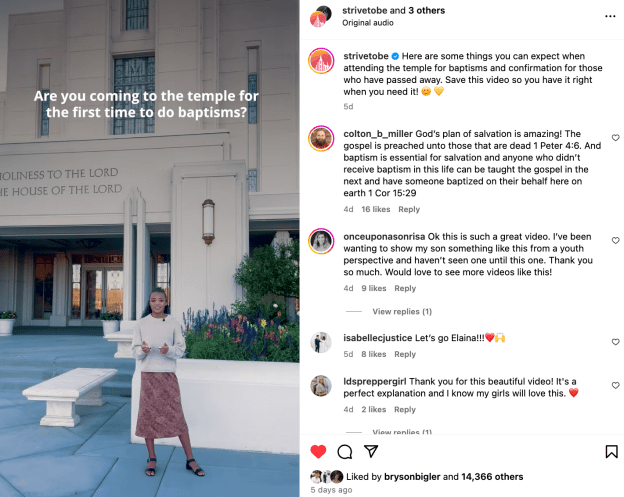
I wrote Instagram and Facebook captions for the Friend social media accounts and created the social media content calendar. I assisted with over 60 social media posts and worked closely with Church magazine social media managers, graphic designers, and animators to ensure all content was up to standard. I filmed multiple videos for Church magazine accounts, one of which received over 420k views!
I conducted several A/B tests with social media captions and followed patterns of which content performed the best. I also led the “Turning 12” campaign, which prepared Latter-day Saint youth to enter the temple and join the youth programs.
See videos that I filmed for the Liahona, YA Weekly, and Friend Instagrams here!
YA Weekly
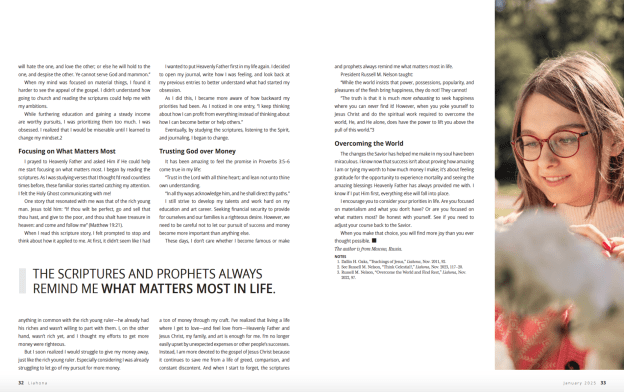
During my internship with the Friend, I regularly contributed to YA Weekly, writing articles every other month and frequently peer editing content. Prior to that, I was the YA Weekly editorial intern. You can view more of my work for YA Weekly here.
From January to April 2024, I was the Editorial Intern for the YA Weekly Christian digital magazine.
This internship focused on ghostwriting and content editing articles from our submission process. In this position, I had the opportunity to interview members of the Church from around the world—ages 18 to 35—every week. I asked about their religious experiences and organized this data so the YA Weekly team could better format content based on our demographic’s needs.
As the intern, I created new systems to monitor article analytics and created templates for future interns to use. I assisted in data questionnaires, article formatting, and choosing visuals for the Church’s website and YA Weekly social media. I proposed new projects to boost YA Weekly‘s SEO, and created easy-to-read content for our target audience. In this internship, I assisted in producing over 35 articles, including 7 with my own story.
I also helped re-vamp the YA Weekly’s introduction article by identifying and indexing popular articles and SEO topics. You can view this list by clicking here.
Due to the Church’s advanced publication schedule, many of my articles are not yet online. More information about my writing in this position can be made available upon request.
After high school students graduate, they typically make the big move off to college. But what happens if that’s not your next step? Can you start college late and what does that even mean?
It is never too late to start college. The typical age of a college freshman is 18 to 19 years old, however, there is no age restriction for college enrollment. Bachelor’s degrees take four to six years to complete, so the time frame is dependent upon the student.
To get an insider’s scoop on what to know as an older college freshman, continue reading below.
Students usually start college right after they graduate high school. Both high school graduation and college enrollment are typically achieved at 18 years old.
But don’t let that age-norm scare you off! To reiterate, because this is so important, it is never “too late” to start college. It is simply not possible because that is just not how college works! College enrollment does not depend on age and the only thing that can really restrict enrollment is previous education or finances. Enrollment truly depends on the drive of a student.
If you have the means and the desire to get your college degree, then it is never too late! The time that you choose is the right time to start. Your professors and student body will encourage you along the way. There will be no judgment on your age or how you got there because college is a highly individualized experience. And truthfully, everyone is more focused on themselves than to make judgments on how “late” you started college.
Why wait?
There are so many reasons why students choose to start college “late”. After all, this is a big investment! So what are these reasons? If you are someone who has chosen to wait, are there others like you?
Wrong Timing
Like I said before, college enrollment is all about the timeframe of the student. Associate to Bachelor’s Degrees typically take two to six years to obtain, so the question is, how much time are you willing to spend on higher education? What is your reasoning for this sacrifice? What are you wanting to do with your degree? Where do you want to attend college? (Source)
These are really big questions! Sometimes, we need time to figure these things out. Even for juniors already taking classes in college, they don’t know entirely what we are doing with our lives. Those things take time to set themselves in place. While a “normal” college career is traditionally from ages 18 to 22, or a four-year time span, anything that fits your timeframe is perfect.
Additionally, some couples will decide to raise children in their chosen time. Because of the expense that a child brings, that sometimes means college comes later.
To save money
Even if you feel that you are in the perfect timeframe for college, sometimes financial situations do not allow this to be so. Tuition, or the yearly cost of attending college or university, is expensive!
Tuition for Public Four-Year Institutions (United States)
As the table says, the national average for tuition is $9,970 for in-state and $25,620 for out-of-state, which does not include living costs. Luckily, a lot of colleges and universities offer academic discounts and scholarships and there are a lot of scholarships available for application online.
Despite this, that is still a lot of money. While working and being a full-time student is required more often than not, it is draining. A lot of times, students will take some time before attending college to work and save money for their academic investments.
The FAFSA is a viable option, but awards are not granted or guaranteed to all students. If the FAFSA does not apply to you, that can make attending college really difficult.
Lack of direction
Sometimes after high school graduation, you feel as if you are in limbo. For most of your life, you’ve been told what to do, how to do it, and spent time with friends. Now you have all the freedom in the world. The world is your oyster! But, what now?
Don’t let these words throw you into a spiral. While these are the truths of life, it is something that everyone has to go through. You are not alone!
Sometimes freshmen still continue to try out their first year following high school and figure out their direction through classes they’ve taken and professors they meet. Other times, people choose to have some time in the “real world” and see if higher education is really needed.
Spiritual Obligations
Often times for Christian students, there are religious expectations to serve a mission that can last from months to years. Some students choose to complete that before their freshman year of college. Other times, students feel they need to wait to start college because of spiritual reasons and the time needed for self-discovery.
Because you want to!
At the end of the day, we don’t need a reason. Sometimes we choose to wait! Whatever feels like the right path for you is perfect.
After high school, societal expectations become a lot more flexible. There really isn’t a judgment set in place by other students at your college for starting “late”. Like I said before, people really can’t tell.
Should I even go to college?
This is a very complex question that varies by individual case. Some feel strongly that college is not necessary in the modern and tech-savvy world. Others feel that the college experience plus the academic benefits are great for young adults.
So, what happens if you feel it’s too late? What happens if you don’t consider yourself that young adult anymore?
Here is a little bit of life advice: No, college is not for everyone. Some have a different path and should not be pressured or guilt-tripped into higher education. But if you have the desire to receive your degree, have the right timeframe, are able to sustain finances, and have your direction, then what’s stopping you?
There are some things in life that you will always regret not doing. Those regrets are the times you didn’t try something new or push yourself. College may or may not be the answer to achieving your dreams, but if you have a vision, do not hold yourself back from getting it!
Take that for what you will, but if college is the way for you to get to your goals, then there is no stopping you.
What should I know before I start?
You’ve made it! You decided that you are going to take the leap of faith and a higher education is the next step in your life.
Now what?
Make sure you choose the right college
Do some research on what kind of institution you want to attend. There are online options that are often times cheaper than in-person universities. Ask yourself the hard questions. Does the college need to be online or in person? Are you willing to move for school? What kind of education are you wanting? What kind of experience are you wanting? Does this collide with my current job or obligations? If so, how will I work around it?
Know your registration dates
It’s hard to give a clear answer about when registration dates are because it varies by college, university, or institution. But when planning on attending on the institution of your choice, make sure you do a bit of digging on the college’s website. There can be online chats available or phone numbers to contact.
For reference purposes, if you are planning on starting college in the fall (August to September) then typical registration is in June or July. This means that you should have an idea of what classes you need to take by the summertime, meaning you should meet with an advisor at the beginning of your college process.
Understand the costs
If you are wanting to get a degree from the comfort of your own home, this option is considerably less expensive than its traditional in-person counterpart. Those who complete an online degree spend about $10,776 less than in-person degrees. Religious colleges are also a cheaper option due to their stereotypically cheaper tuition. (Source)
If in-person degrees are the only option for you, then community colleges are the cheaper option compared to big-budget universities. While community colleges may not be the most prestigious, some colleges have great quality education for a lower price. Go over and decide what is worth it to spend in your budget. Do some research online and ask current students about their experiences.
Keep motivated
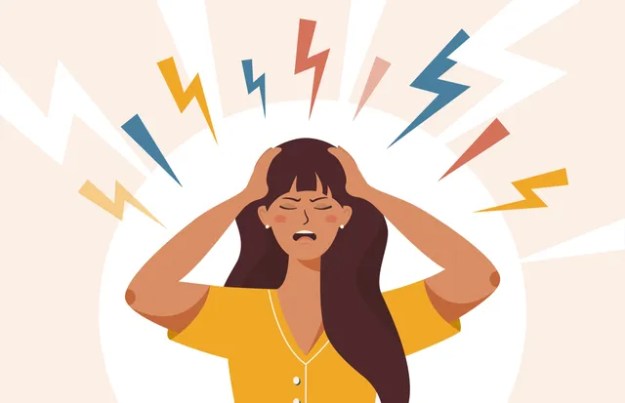
College is not easy! The classes are time-consuming, professors can be rude and the financial strain is a real concern. Take this time of your life to learn how to handle conflict and stress and learn coping skills. Some helpful ones are listed below.
Set goals for after college
Before achieving higher education, make a list of goals you want to achieve because of your new degree. List why you want to go to school and what you want to do with your education. Hang it on the fridge! Show your friends! Anything that will keep you excited.
Remember your purpose
One way to deal with the college strain is to remember why you are there. It may be beneficial to have a photo of the reason why you are pursuing your education in your vehicle or bathroom mirror.
Make a vision board
As silly as it may sound, printing off pictures or making a Pinterest board of what you are wanting your life to look like is a great visual reminder to keep motivated. It can be really helpful to see the life you want physically in front of you.
Make to-do lists
Once you are taking classes, making to-do lists with little accomplishments will build your confidence in your work ethic piece by piece. Having a little notebook dedicated to this practice will be helpful
Make a routine
Make a good morning and night routine is what will help you feel accomplished and bring daily stability. Routines are something that you have control over, so creating one that fits your lifestyle will give your pattern-loving brain a little bit of peace.
Keep realistic
While a diploma is a nice and very beneficial investment, remember that it’s not all fun and games. While having a motive is very as important, being realistic is equally as necessary for success and what will help balance the stresses of higher education.
Keep in mind that you might be taking a few general classes that feel like a waste of time or the student in your presentation group might be a little bit of a pain. Just remember what you signed up for, push through the discomfort and continue with this investment for yourself! At the end of the day, you will be so proud that you followed through with such a big accomplishment.
College is hard, especially depending on the degree and level of classes. It can also be very disheartening when you feel that you are starting “too late”. If you are to take anything away from this piece, know that it is never too late. You can pick up your education, skillsets, or life goals at any time. If you have the right motive, there is no wrong time to start college. You can do this! Your loved ones and advisors believe in you.




















 Isabelle Justice