This article was written for BYU-I’s news organization, Scroll.
On Friday, Pocatello Animal Services announced that the city will work with Petco Love Lost, an animal facial recognition database, to help find lost pets in the Eastern Idaho area.
“We see firsthand how quickly a pet can go missing,” said Crystal Anderson, Pocatello Animal Services Department Specialist, in a press release. “There’s nothing more rewarding than reuniting families with their beloved pets.”
Petco Love is a nonprofit organization that has worked with animal foster families since 1999. Petco Love Lost, a program from Petco Love, allows owners to upload photos of their dogs and cats to be added to the database which contains over 170,000 photos, according to their website.
“Petco Love Lost … uses patented facial recognition technology to make finding lost pets quicker and easier,” wrote Marlise Irby, Pocatello’s public information officer. “Uploaded photos of a missing dog or cat are immediately scanned to determine whether the lost pet is at a participating shelter or with a neighbor in the community.”
Stray animals are kept at the Pocatello Animal Shelter for three business days and then may be made available for adoption. With Petco Love Lost, the city hopes the database can help pets find their homes.
Click here to view the Pocatello Animal Services Stray Animals list.
For a journalism course, I wrote a feature article about the Library Aid in the Special Collections archives at BYU-Idaho. I created a magazine with this content, and below are the results of this project. This article is also on Scroll.
“It’s important that history is recognized as being important,” said Braden.
His aviator glasses sat comfortably on the bridge of his nose. His honey-blonde hair was tucked behind his ears. His index finger and thumb rested on his chin as he calculated an insightful answer to my overarching question. When I asked Braden Chancellor if it’s important that everyone has a basic knowledge of history, he didn’t give a long-winded answer like I was expecting. He didn’t preach about how the study of history is a dying art, instead, he explained that historians want their profession recognized and respected.
“We have a lot of focus on STEM, right? Just as a university and a nation,” Braden said, his hands danced in the air to emphasize his point. “I think that a focus on STEM is great and some could argue that it has more value, but I know history has a significance that people don’t recognize.”
Many historical texts are located in the Special Collection archives for students to see.
Braden Chancellor is a Library Aide for the Special Collections, an archive on campus that is tucked away on the second floor of the library. It is a place where prehistoric artifacts and the history of Upper Snake River Valley are kept safe. The room itself is quiet. Cozy. Serene. The carpet was brown and blue. Vintage, from the 50s, Braden said. There were shelves of books and bust statues, lines of blue-clothed rocking chairs, and an exhibit about religious texts. Braden pulled a chair for me, and we sat across each other on a long table on the north side of the room.
“I led this,” he said and pointed around at the foam posters and glass containers that surrounded us. Each exhibit protected religious books that were hundreds of years old. “I started getting involved with the exhibits and writing … they said that I was doing a good job and asked if I could be in charge of planning the others.”
While the exhibit sat perfectly in the front of the room, Braden did most of his work in the back. The archives. They spiral like a maze and are only open to the employees.
“At first, I took old materials that people donated and organized them,” he said. “It was just indexing for a little bit, but I wasn’t on that for very long. I got introduced to exhibit planning, right?”
And that’s where his passion lies, he clarified. And as he did, something switched in Braden. His eyes lit up and a smile crept across his face. It’s the kind of smile only those passionate about their career show, and he reminds me of myself. Braden’s niche is history, mine is writing. Writing gives me the space to speak my mind or speak it for others. History gives Braden the space to understand the world. It’s not often that I meet someone so vocal about what they care for.
“I would love to be in a museum and teach people about history in a creative way,” he said when I asked him about his dream job. “As long as I can make enough to support my family. Whether it’s a city historian, state historian … I like the idea of being able to be a well-respected authority. You want people to say your name and know who they are talking about.”
I asked how he first started to love history. He told me that it was because of the Pirates of the Caribbean movies.
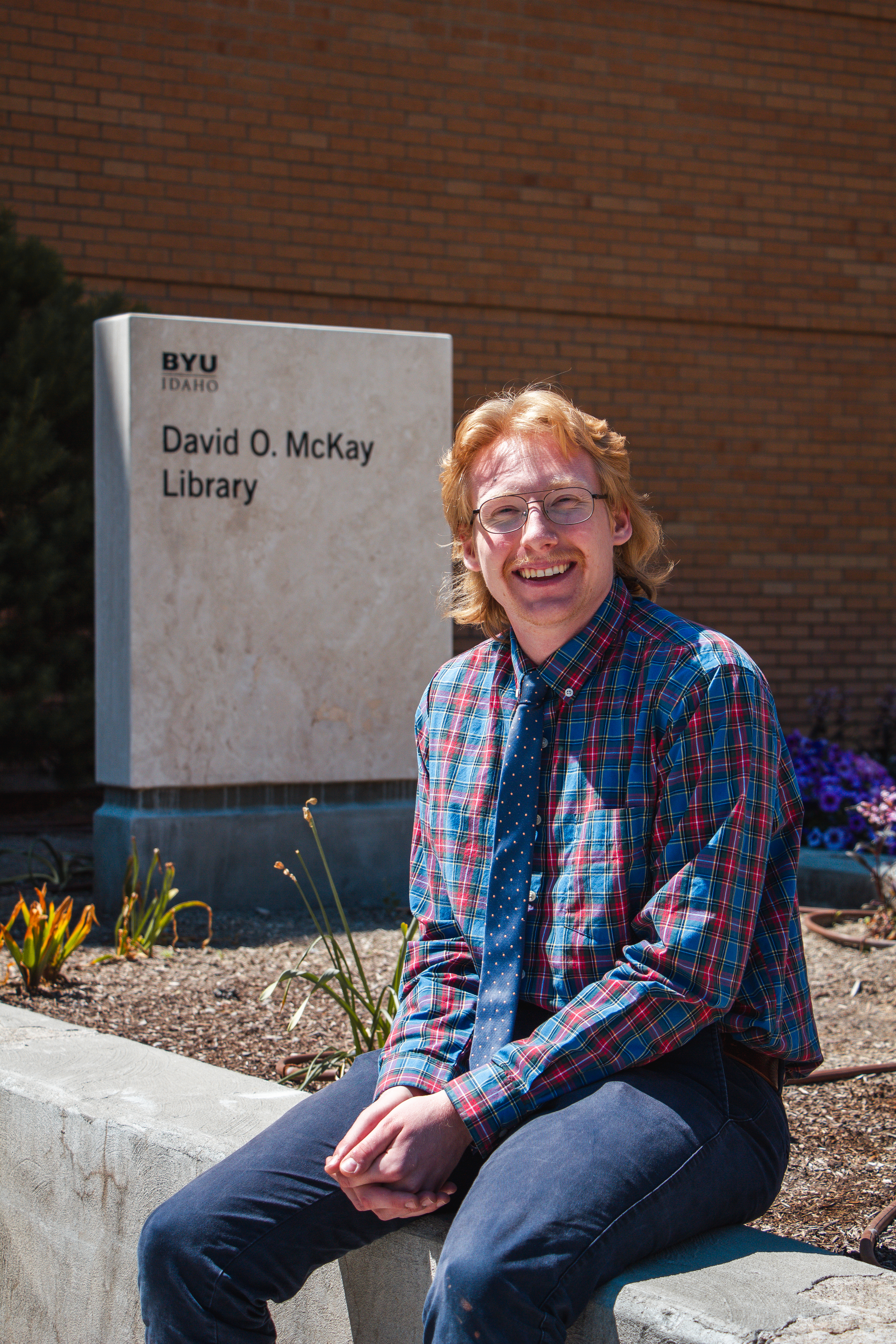
Braden Chancellor in front of the David O. McKay Libraryat BYU-Idaho.
“I loved learning about these stories,” he said, laughing. “I would get little fact books about pirates and tell my friends and family about what I learned.”
And when Braden got into advanced placement classes in high school, his interest in history blossomed into a passion, one that followed him into his college career. Once at BYU-Idaho, Braden realized that a history degree was more versatile than he originally thought.
“There is this area of study—it’s kind of new—comes from the 1670’s, and it’s called public history,” he said while tapping his pointer finger on the table. “Examples of that would be working in museums, battlegrounds, and national parks. Those are areas of employment that historians actually get hired to do rather than teaching.”
Braden does what many are afraid to do: follow their dreams. He explained that it was understandable why many don’t, but it’s necessary to follow through with the gifts God has given us. And it’s more than just wishful thinking. Braden completed an internship with The Church of Jesus Christ of Latter-day Saints where he was able to index records that were hundreds of years old. That internship got him his job in the Special Collections.
And that’s why I interviewed him. Actually, that’s why I interviewed him twice. I couldn’t get enough of Braden’s bright mind, or shake the notion that more people need to be as driven as he is.
“What if this hobby is so important to me that I want it to take eight hours of my day?”
“I received a blessing that said how important my education would be; that I would be able to find a career that supports my family,” he shared. “I think back to why it’s okay that I didn’t pursue a STEM career even if it’s more valuable. It’s because I’m naturally interested in answering these questions.”
Do you think that everyone needs to ask why as you do, I ask.
“I think it’s necessary for some people to ask why in life, but I don’t think it’s necessary for everyone to,” he responds, buckling my argument that everyone needs to be fueled by their interests alone. “There’s going to be some that are curious, and there’s going to be some people who want to take it as it is—that’s okay.”
And then it makes sense: just like it’s not essential to know the periodic table, it’s not crucial that everyone has definite knowledge of history. All he, and historians want, is for us to value them. Include them in the modern discussion too, because they do have a voice.
“I’ve had some people say not to make your hobby your job,” Braden confessed. “What if this hobby is so important to me that I want it to take eight hours of my day? I don’t want to sit in an office and do sales … I want the bulk of my life to be focused on my family. I want history to be a part of it.”
On the cusp of her 80th birthday, Mary got ready for her special day. She fastened a new lace collar for her old black dress and pinned her white hair into a low bun. [1] Her glasses were polished, her hands clean, and shoes tidy.
It was the summer of 1928, and Mary stood in front of the camera man’s massive portrait lens. Her right hand was clasped over her left, resting on her stomach. She was poised but could not help but show a slight smile. It was the good humor that she got from her father.
As she stood still, her eyes showed a story of grief, endurance, and kindness. Life could not, and never would, make her bitter. Little did Mary know that this camera would capture her personality well, hinting at the great life she lived.
The Steps We Have Taken by Julie Rogers
“Three!” shouted the camera man, raising the light.
At 7 years old, Mary left England with her parents, grandfather, and sisters to follow the Mormons to the United States. [2] In 1856, little Mary began her journey from Iowa City to the Great Salt Lake in Utah. Soon after Mary left Iowa, her two-week-old baby sister passed. Winter came early, and the company grew weaker as rations ran out. The people that Mary loved, her aunt, grandfather, and playmate, passed away along the trail. Their deaths left a great sadness in her heart. [3]
Mary’s father, James, was intelligent as he was goodhearted. When there was no more food, James unwrapped the rawhide straps off the wagon wheels and boiled them for a treat, a delicacy that Mary thought of often. The journey was so cold that her feet froze, leaving her legs were blue, black, and completely numb. Mary did arrive to her promised land, but she could not walk.
“Two!” The camera man’s thumb pressed down on the trigger.
When the doctor examined Mary’s feet, he advised that they should be amputated. Her father protested, “This little girl didn’t walk a thousand miles to have her legs cut off! If she dies, she dies with her legs on.” [4]
Mary’s neighbor, Mrs. Snider, advised her family to wrap Mary’s feet in frozen beef steaks. She spent three days with her legs cocooned in thawing meat, which were later treated with a homemade ointment. After three long years, she could walk again. [5]
The downside? Pain in her feet for the rest of her life.
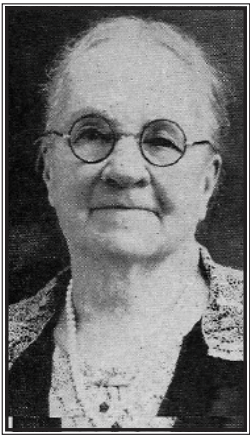
Mary’s 80th birthday photo
“One!” shouted the camera man.
Mary was a bride at 16 and the mother of thirteen children, yet the bounds of her love were not confined by blood. [6] Known as “Aunt Mary Wight” by Brigham City locals, she was a natural nurse that always cared for the sick.
At 70 years old, Mary cared for a neighbor’s sick infant.
“Mother! You might be exposing the whole family to something terrible,” her children reported. “You don’t know what the child has. It could have anything!”
“The child is sick,” Mary quickly answered. “A little baby cannot be sick … with Mormon homes about it. Every house has a door. Doors were made to let people in … I think you had better put a bite to eat on the table.”
Mary’s granddaughter wrote that after two days of attentive care, the baby smiled at Mary. He smiled for Mary’s warm home, a clean bed, and food. With a sign of sweet content, his eyes closed and he peacefully passed.
The parents wanted Mary to give a sermon at the child’s funeral and asked how much all her service cost.
Mary Reeder Hurren Wright
“Not a penny,” Mary promised. “My church does not take money for preaching.”
Flash!
Her photograph was taken. When Mary saw it weeks later, she paused. For the first time, she paused for herself.
“My, she’s a big woman, isn’t she? … Do I look like that?” Mary asked.
“You do!” chorused her children.
“I did not know life was doing that to me,” Mary replied.
She dropped her head and wept. In all her life, without taking a second to look in the mirror, she was beautiful.
There is a video circulating online from the movie The Boy, The Mole, The Fox, and The Horse. In it, a mole asks a boy, “What do you want to be when you grow up?”
The boy responds with one word: kind.
When you are at the ripe age of 10, you may be routinely asked what you want to be when you grow up. The expected answers are career based. Doctor, teacher, scientist, veterinarian. It’s funny. The question itself doesn’t ask for your dream occupation, it asks specifically what you want to be. I love how literal the answer “kind” is. It slaps you back into the reality of what’s most important.
When I was asked this question as a perky elementary school student, I gave a well thought out answer of “artist and author.” I have fulfilled both dreams as a young adult.
When I ask myself this now, I don’t know what to answer anymore. Sure, I have the scripted response of what my plans are after my undergrad, but what I want to be already seems accomplished. I am grown up already! Sometimes it feels like I ran out of life achievements to be proud of.
But maybe what I want to be is just as simple as a child. Maybe I want to be a wife, a mother, a writer, and kind. The dream occupation will find itself as I find myself.
And I’m not quite “grown up” just yet. 22 years old is just scratching the surface of life.
Last weekend, I applied for college graduation. While reminiscing on my school experience, I decided to listen to one of my favorite artists. She has stuck by me in my teenage years and into my adulthood. She put into words the feelings I couldn’t understand myself growing up; her name is Ella O’Connor and you may know her as Lorde.
Why Lorde?
Source: The New Yorker / On “Solar Power,” Lorde Loves the Beach
Ella O’Connor made her debut with her song Royals in 2013. At just sixteen, she ruled the Top 100 Billboards for nine weeks.
It wasn’t until 2016 that I listened to her first album Pure Heroine. This turned into a staple of my sophomore year of high school. She captured what it felt like to be an aimless teenager but she did it with confidence. I admired that.
Her second album, Melodrama, is the perfect modern-day breakup album. Lorde released Melodrama in 2017, and each song collaborates to share the story of a young adult and her ending relationship. Melodrama is a rollercoaster, and it’s always there to pick me right back up.
Lorde’s most recent album came out in 2021 and is named Solar Power. Ironically, this summer-themed album was released after her infamous trip to Antarctica. Solar Power was written through the lens of an older and more mature Ella. She leaves easter eggs for her listeners, like in her track Secrets from a Girl (Who’s Seen it All) where she dresses up as the younger versions of herself in her music video. I feel that each song was written from a positive perspective rather than angst. This album was there to guide me as I figured out adulthood.
Eerily enough, sometimes I feel that her music was made for me. When each album came out, the songs reflected whatever I was going through at that age. Not only is her content relatable to me, but Lorde is a fantastic lyricist. I also believe she is ahead of her time in terms of her sound. The synth-pop from Taylor Swift’s recent Midnights, another favorite of mine, is arguably a reflection of Lorde’s Melodrama which was released five years earlier.
I want to share my favorite song from Ella’s discography, why it’s so important to me, and nuggets of wisdom to take into your own world. I hope you enjoy this personal take on Lorde.
A World Alone
In my opinion, this song is an anthem for existentialism. Existentialism is the philosophy that we are each responsible for creating purpose and meaning in our lives, and it’s not given to us by an outside authority. Lorde’s lyrics resonate with this philosophy, and this ideology aligns well with the mindset of teenagers.
Because of this, I admire how A World Alone takes the audience into what it’s like growing up. As a teenager, you’re still so unsure about the world but seldom let it show. Let’s look at the text to prove this; I will cherry-pick lines of the lyrics but will include a link to the song at the end of the article.
The third line starts:
I feel grown up with you in my car
I know it’s dumb
When someone learns how to drive, they have so much freedom in their grasp; they’ve never had that kind of power before. The kind of language, “I know it’s dumb,” is the kind of phrasing you use as a kid. I think this is a nice touch and puts the listener into the mindset of a 16-year-old.
We both got a million bad habits to kick
Not sleeping is one
No explanation is needed. 3 a.m. creative surges were, and still are, the best.
We’re biting our nails
The anxiety that comes with growing up is manifested in our nervous habits.
You’re biting my lip
Teenage romance. What can I say?
I’m biting my tongue
This line is so interesting to me. The phrase “biting my tongue” means not saying everything you want. Is she keeping her thoughts to herself because she is shy in school? Is she keeping parts of herself hidden in a relationship so she doesn’t scare them off?
The people are talking
People are talking
For those teenagers that are quiet, all you see is people talking. People gossiping. People sharing lies. People arguing on the internet. People love to talk.
Let ‘em talk
Cause we’re dancing in this world alone
World alone, we’re alone
Her transition to the end of the chorus is powerful, not only because of the words she uses but the beat behind it. Lorde points out the shallowness of people around us with “the people are talking,” but implies that it doesn’t really matter with “let ’em talk.” I also love the subtle difference between “world alone” and “we’re alone.”
Source: Pinterest / Artist @fakinglory
All my fake friends all of their noise
. . .
Maybe the internet raised us
Or maybe, people are jerks
But not you
I like this part. Although there are fake people in the world, it’s not entirely the internet’s fault. People have been unkind before the computer age, it’s not because the internet “raised us.” Maybe the internet has provided us with an outlet for our harshness, highlighting the good and bad of humankind.
I know we’re not everlasting
We’re a train wreck waiting to happen
One day the blood won’t flow so gladly
One day we’ll all get still
And the people are talking
Let ‘em talk
Chilling. This suggests that despite our mortality, people will continue to be negative. However, by focusing on negativity, we may miss out on valuable experiences. This message could apply to both others and ourselves. It makes me wonder if I am prioritizing things that are unimportant in the grand scheme of things, and I think this is the most important takeaway from the song.
I believe Lorde is saying to genuinely forget what others think and live your truth. You can imagine the confidence boost this song gave me as a 16-year-old. You can appreciate even more the reminder of it at almost 22.
Takeaway: there is no need to mimic the poor behavior of others because our life will be over before we know it. Go to the rhythm of your own muse, and let ’em talk.
This article was written for a journalism course at BYU-I.
As Marcia Davis walked through the halls of Cambridge Prep Academy in Lake City, Florida, she felt out of place. Davis could see some students talking, while another group of friends waved “hello” to her. Most high school students feel awkward, but for Davis it was different. She was accepted, but it wasn’t the same. Why?
Because Davis has severe hearing loss.
Marcia Davis, 2017
For 22-year-old Davis, a student at Brigham Young University-Idaho studying communication, hearing takes all her effort.
“My hearing aids help with my articulation,” said Davis. “It makes me feel every click in my mouth, so I can talk more clearly. I would not be anything like I am today without hearing aids.”
For Idaho citizens that have hearing loss, Davis’s story can now be theirs. According to the Idaho Deaf and Hard of Hearing Council, certain residents are now eligible for free or discounted hearing aids.
“Assistive technology promotes greater independence by enabling people to perform tasks that they were formerly unable to accomplish,” said the Deaf and Hard of Hearing Council on their website.
Heidi Smith, BYU-I’s Deaf and Hard of Hearing Services Coordinator, helps Rexburg, Idaho residents get access to hearing aids.
“If a deaf or hard of hearing person qualifies, they might get their hearing aids paid for,” said Smith. “It needs to be either student or job-related. If the hearing aids will help the student graduate and find a good job, or if the person needs hearing aids to work, then it is my understanding that they will help to pay for them.”
Smith recommended contacting Vocational Rehab, which is a state-funded program that has offices across Idaho.
“Vocational Rehabilitation … provides comprehensive vocational services to individuals with disabilities,” stated the Division of Vocational Rehabilitation on their website. “The scope of rehabilitation services that may be provided is extensive and includes services that lead to employment which will also result in increasing an individual’s independence and self-worth.”
The Division of Vocational Rehabilitation focuses on getting residents with disabilities functioning in a school or work environment. But for Idaho residents who don’t want to go through state services, there are other ways they can get hearing assistive devices.
Davis, 2018
Idaho residents can apply for grants or payment through Ear Nose and Throat Offices across the state, such as Idaho Assistive Technology Project in Moscow or the Assistive League of Boise in Boise. Additionally, national programs like The Hike Fund, Easter Seals, and Optimist Club can get residents free or discounted hearing aids.
For many deaf and hard-of-hearing residents, hearing assistive devices are outside of their financial means. According to Customer Affairs, hearing aids average at $2,300 per device in 2023, making this a nearly $5,000 investment.
Davis was able to invest in hearing aids and got her first pair at 15 months old.
“When (my parents) found out I was hearing impaired, I was so behind and couldn’t speak,” she explained. “Because I was still young, I still had the chance to learn how to talk.”
With the help of her hearing aids and speech therapy, Davis now blends into a hearing world.
“There were lots of moments when I did feel behind, but the hearing aids have always helped,” Davis said. “Without hearing aids, I wouldn’t be able to talk. I would just use ASL, write, read lips – it would be a completely different life.”
However, the deaf and hard-of-hearing community does not always want hearing aids. Davin Glenn, a BYU-I graduate, is hard of hearing but never learned American Sign Language.
Davin Glenn (right) and his wife Corinne Glenn (left), April 2021
“Not every deaf person wants to blend into hearing culture,” said Glenn. “It can be controversial and I only speak for my own experiences as a hard-of-hearing person. I am able to lipread and I can get along fine, but many deaf people love their culture and don’t want to change it.”
Davis understands this, but still thinks the free or discounted hearing aids can benefit Idaho.
“I know there is a lot of debate about this,” Davis said. “I’m glad that I can fit into the norm of society rather than go and have to be in a specific community, which would be the deaf community.”
But Davis respects the deaf community, whether they want hearing-assisted devices or not.
“If (only learning ASL) had happened, I wouldn’t have known the difference and it would have been fine,” Davis explained. “But I wouldn’t be able to sing or be able to talk. I like being part of the norm. I’m glad they pushed not doing ASL and just focusing on speaking and hearing aids. I wish they did teach me ASL too just as a backup, but sign language was not encouraged back then.”
Sign language was not encouraged in mainstream culture until the late 2000’s, but Idaho is an anomaly in the deaf and hard-of-hearing world, according to Smith.
“In eastern Idaho there really is not (a deaf culture),” Smith said. “We have fully deaf students who have cochlear implants and they don’t consider themselves deaf, they consider themselves hard of hearing … the circle could be bigger but because there is not a big deaf culture here so many of them do not associate with being deaf. They kind of just want to blend in, which isn’t normally the case.”
Davis, October 2022
Whether deaf or hard-of-hearing residents choose blend in or stand out, the state of Idaho has resources. The most popular one, according to Hearing Link, is the FM system. This is used in the classroom and is available statewide in public schools.
“FM systems are wireless assistive hearing devices that enhance the use of hearing aids”, says Hearing Link on their website. “(They) also assist people who are hard of hearing but do not wear hearing aids, in particular over distance and in noisy environments.
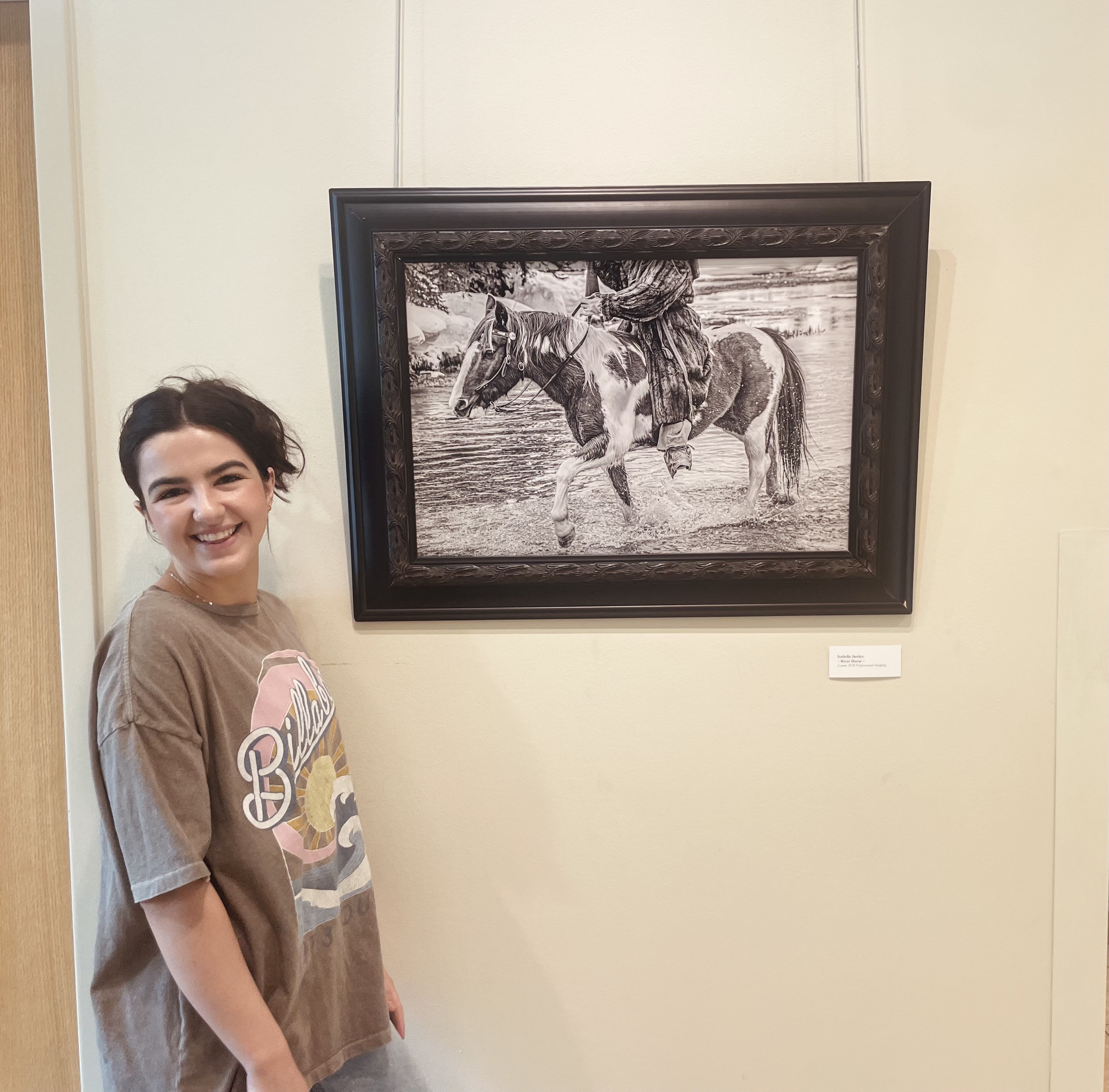
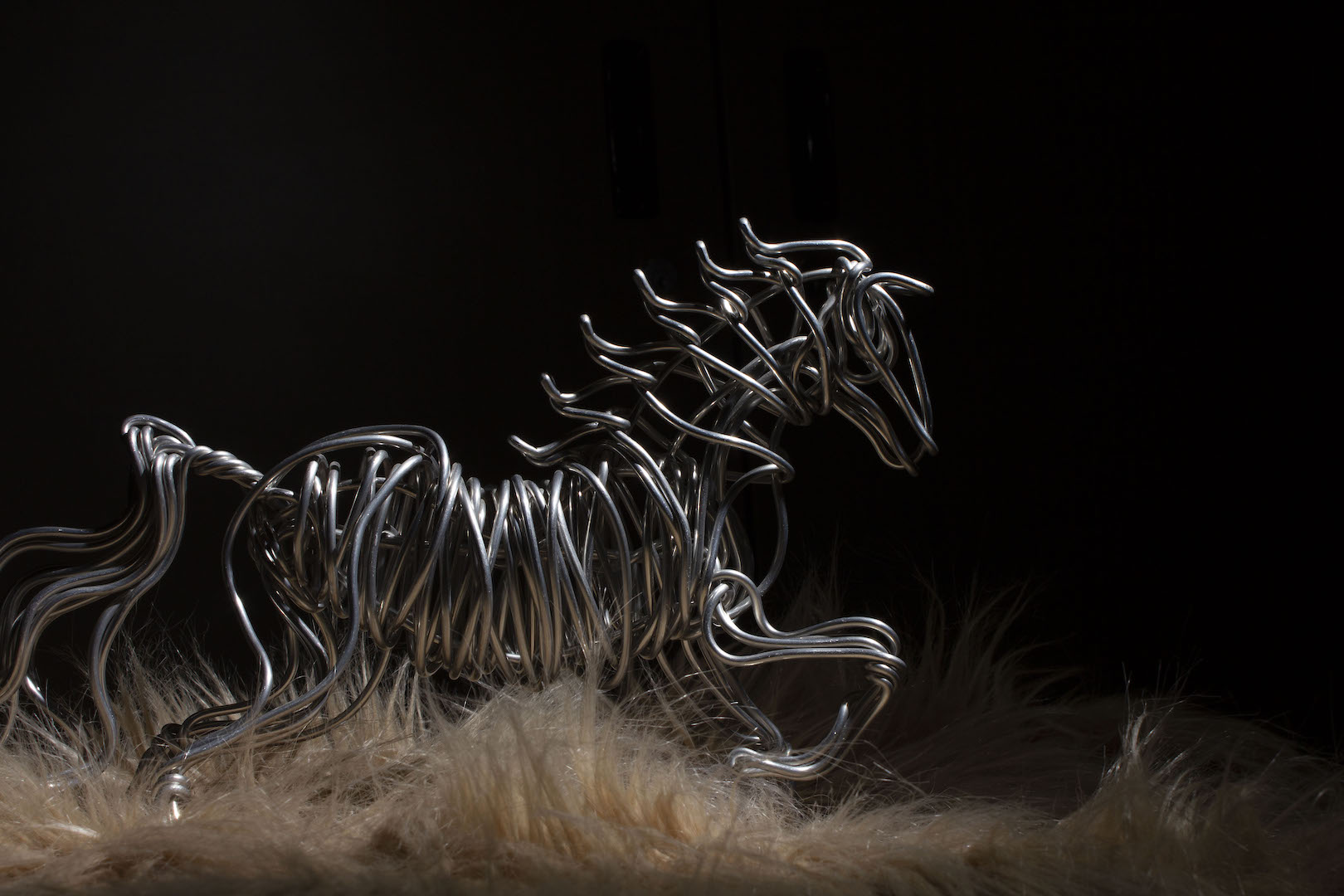
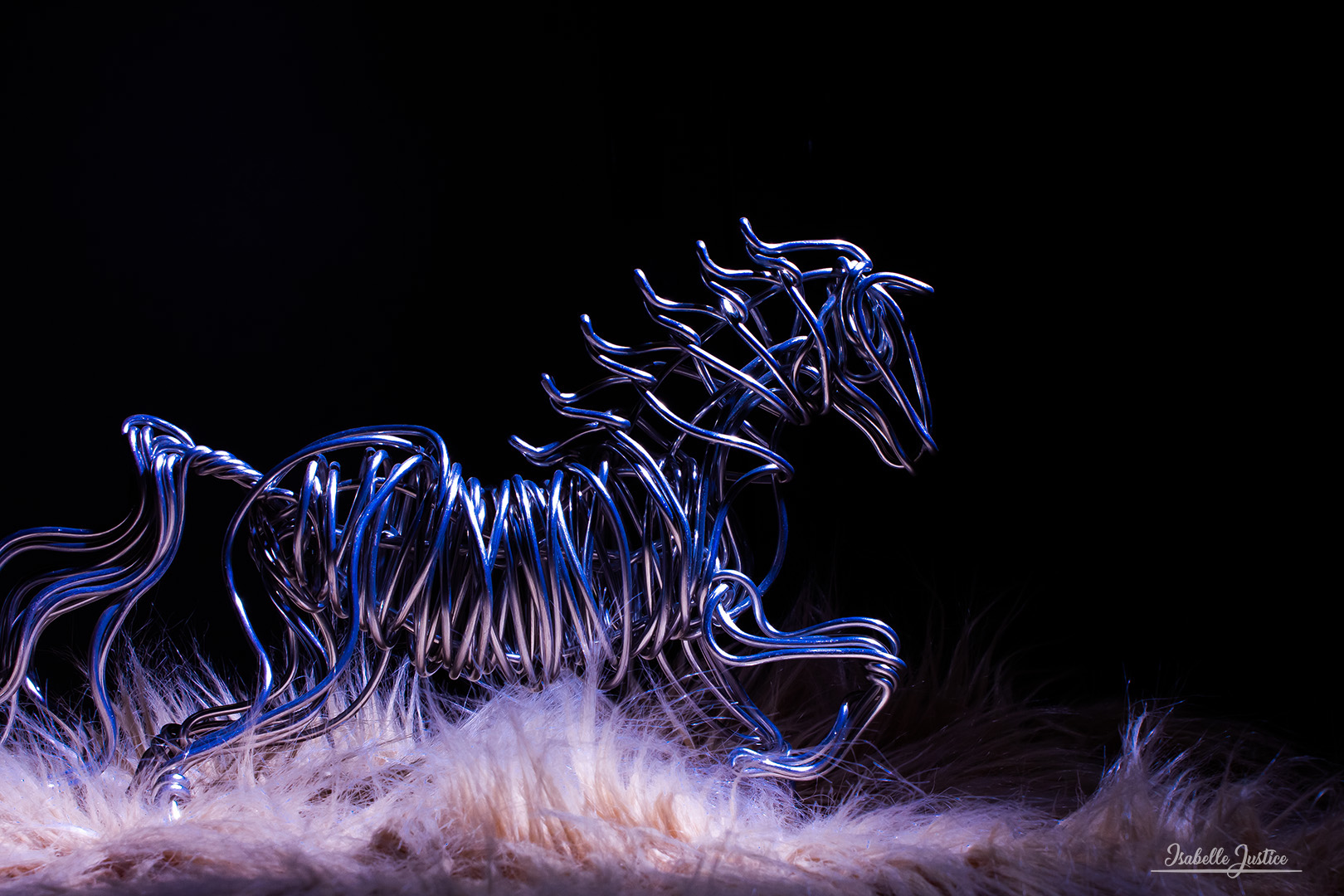
This photo was taken in Island Park, Idaho in February of 2023. The editing process included switching the photo to monochrome in Adobe Camera Raw and doing simple edits there, such as increasing the contrast, texture, and exposure. I sharpened the image and then used noise reduction.
In Photoshop, I used dodging and burning to highlight the horse’s eyes, hair, and hooves. I used this technique to bring dimension to any parts of the photo that were blown out.
The final piece was mounted on metallic material and hung in the communication department building.
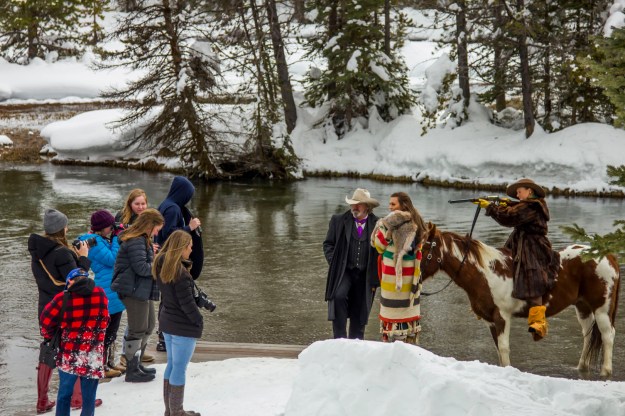
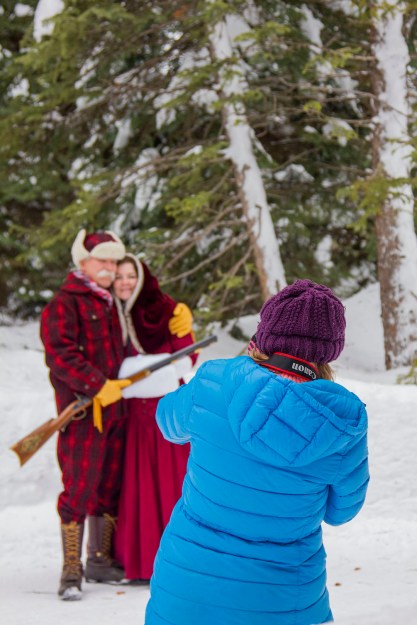
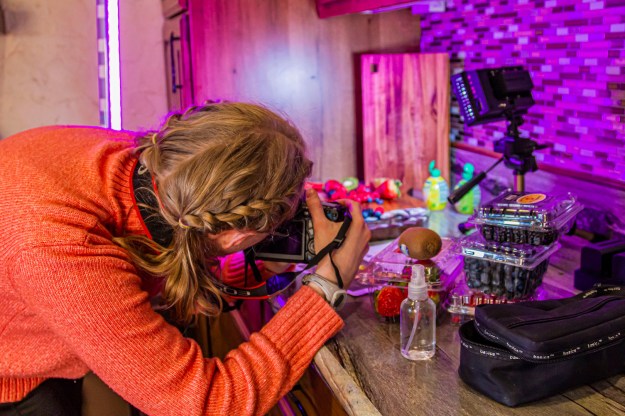
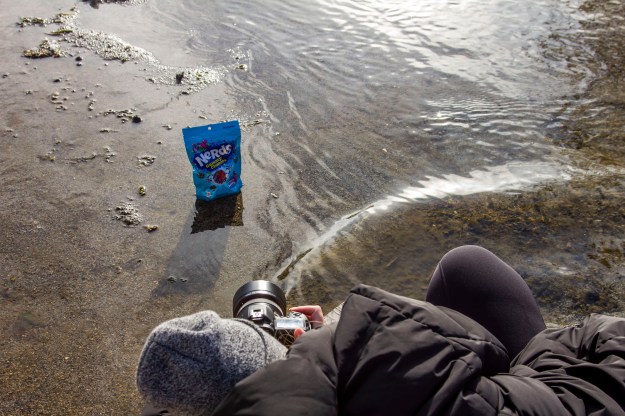
In our photo excursion to Island Park, Idaho, I was able to help the students in the Comm 300 Photography course with their assignments.
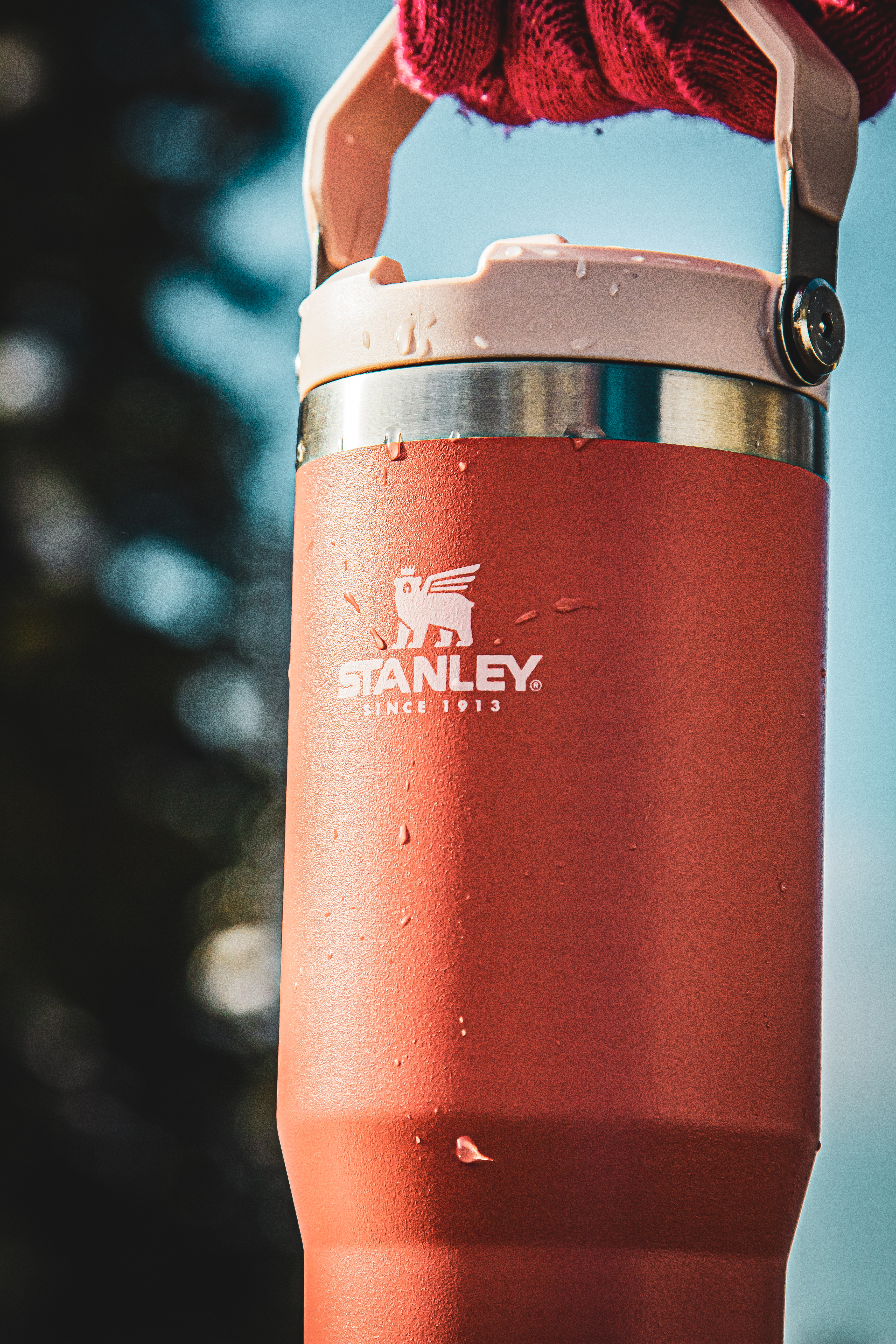
It was so much fun helping them enhance their photos! I helped them come up with creative ideas, such as a student walking through the river carrying a lantern with a long shutter speed, splashing water bottles in the river, and spraying water on indoor products.
In the process, I could see my understanding of cameras increase. I am so grateful for this trip!
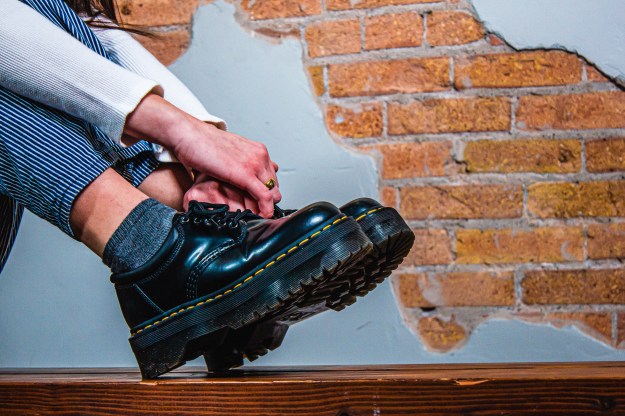
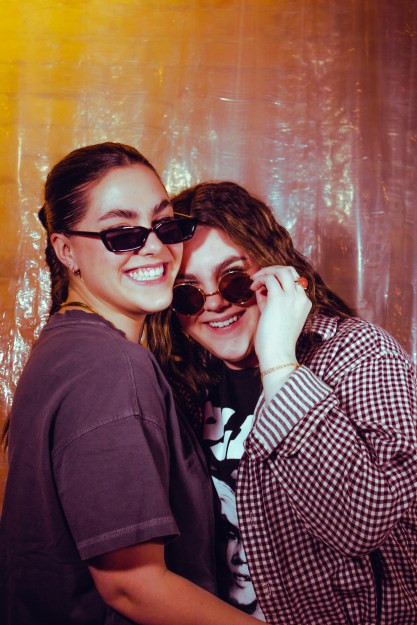
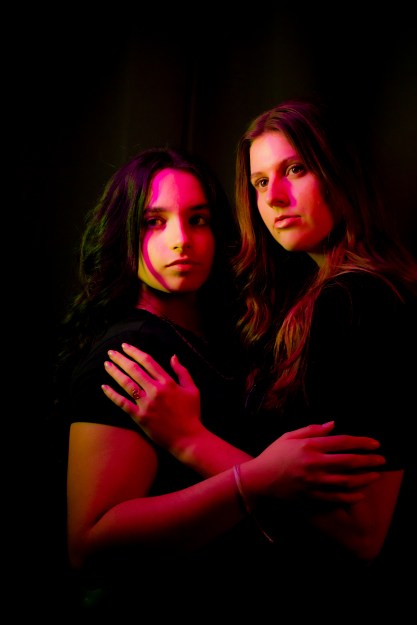
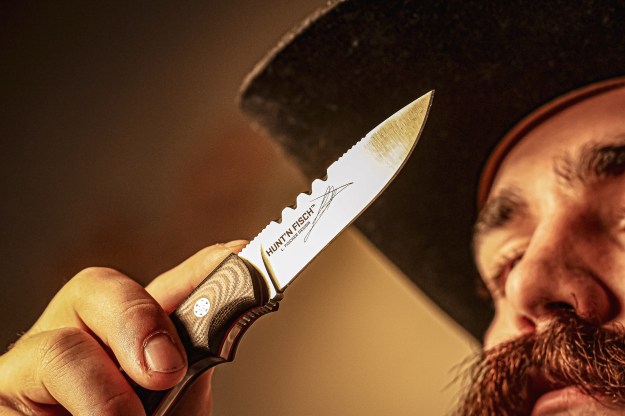
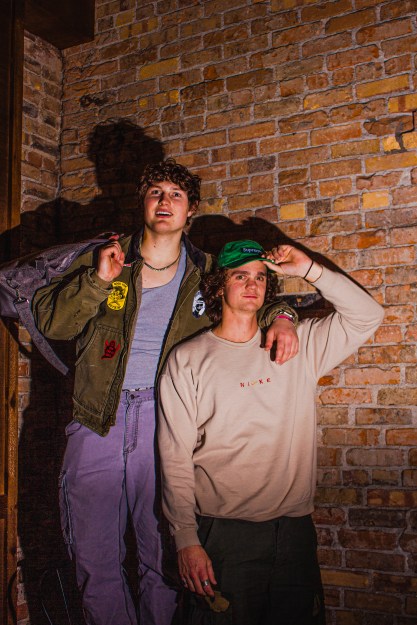
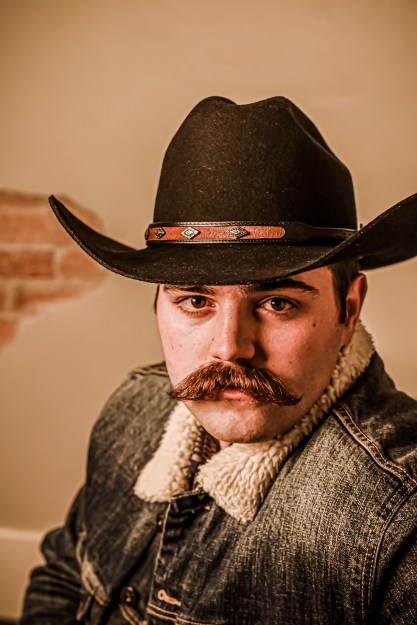
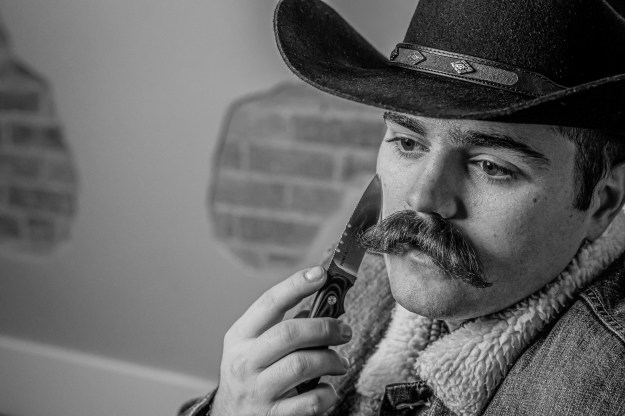
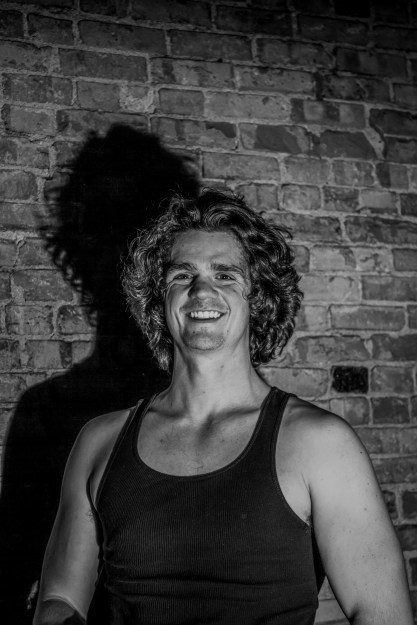
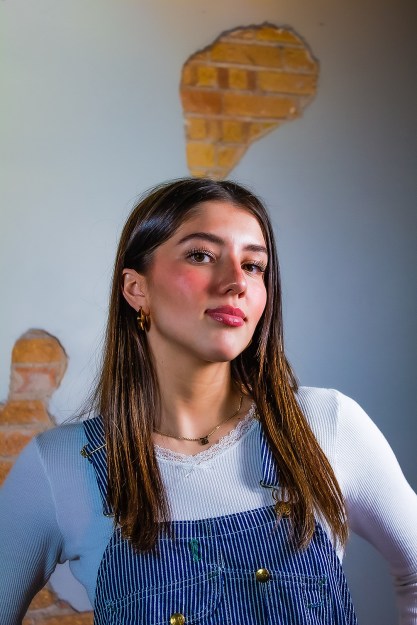
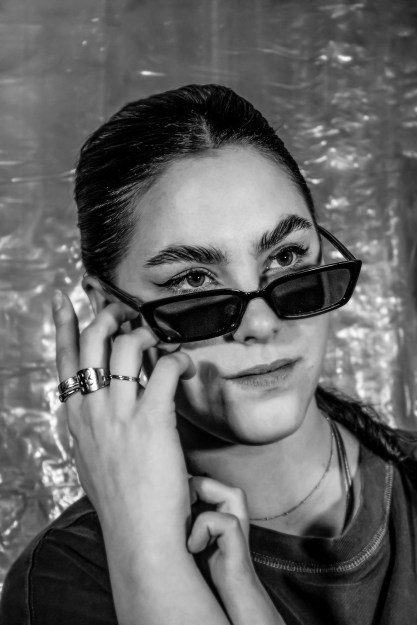
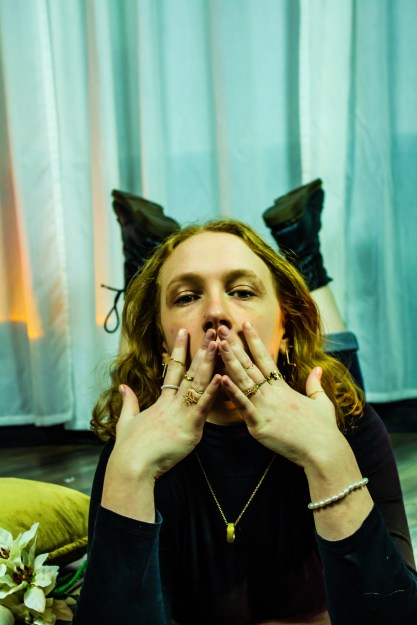
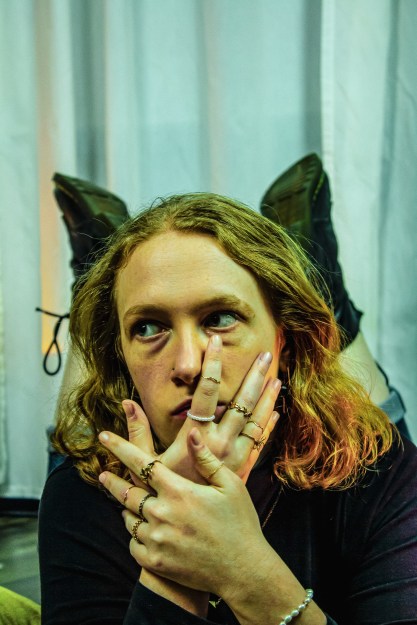
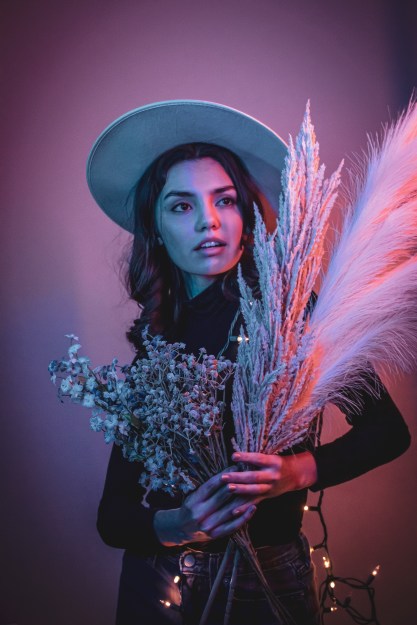
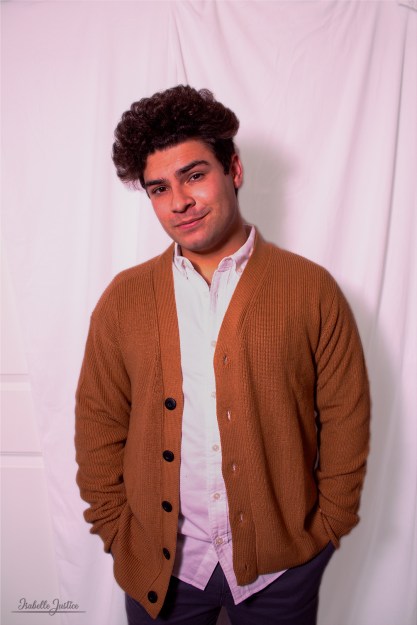
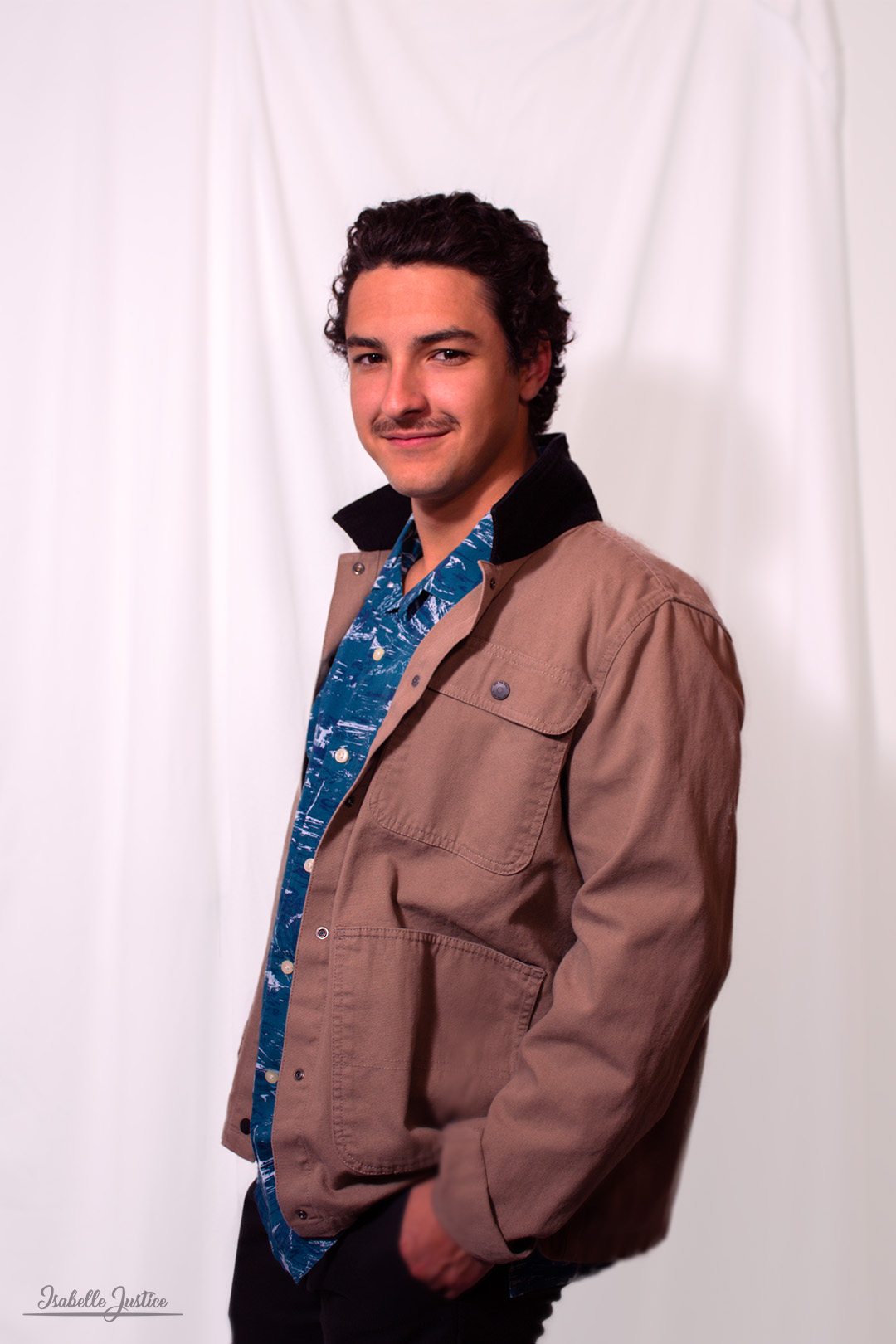
As part of Caryn Esplin’s photography course, we planned and participated in a fashion photoshoot. I had the privilege to take photos of nine talented female models and six wonderful male models. We covered portraits for men and women, as well as accessory and group photography.
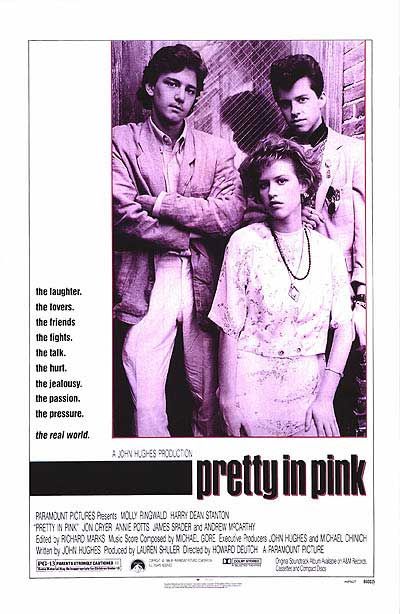
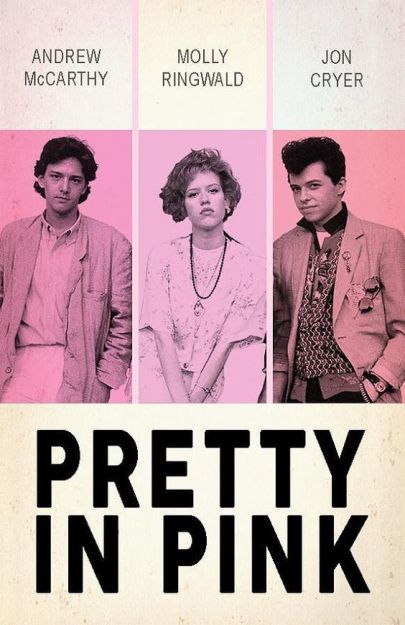
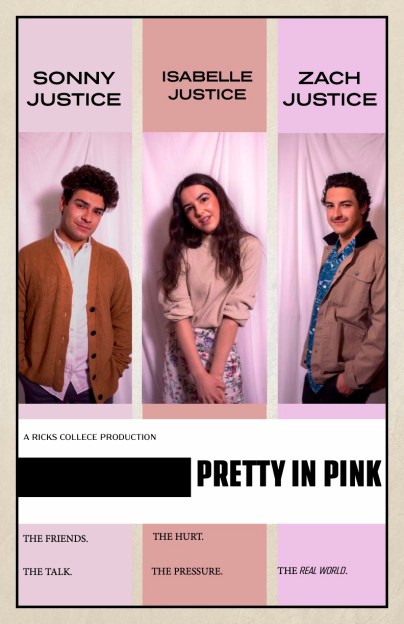
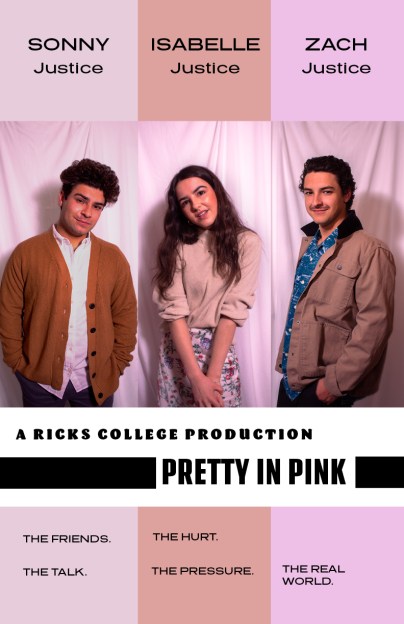
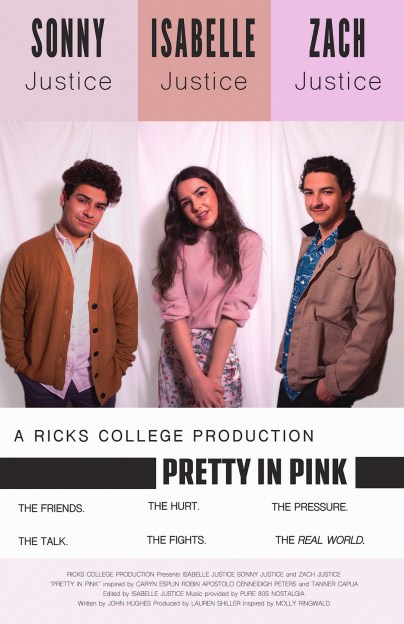
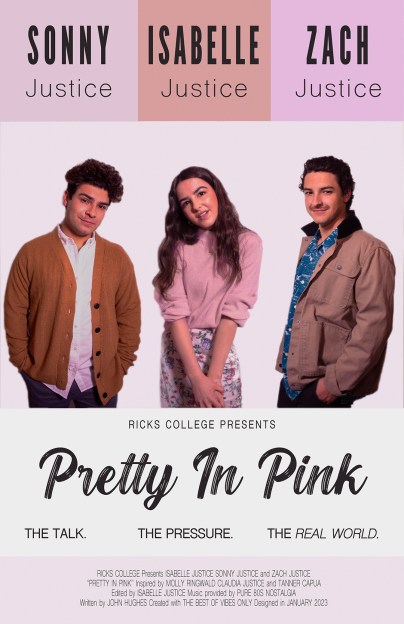
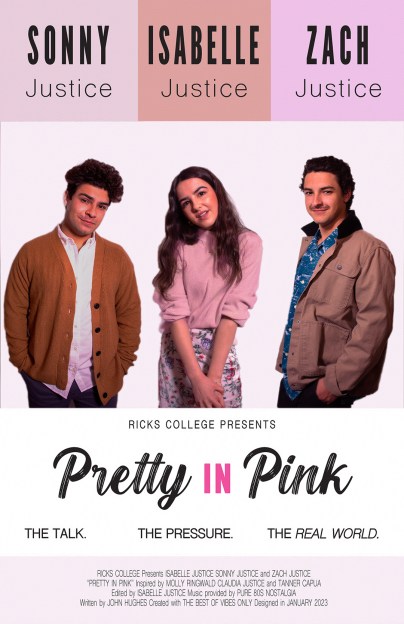
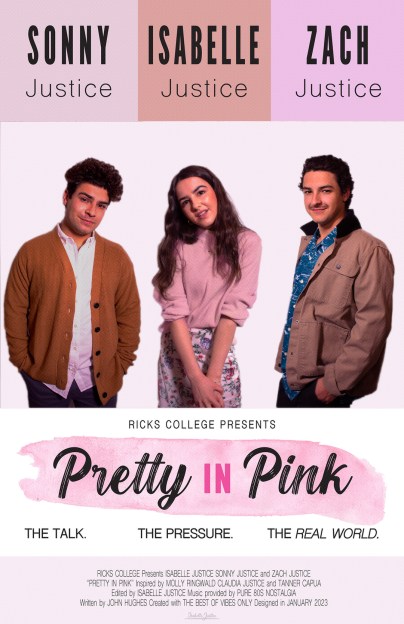
For this assignment, we were instructed to recreate a movie poster. I was determined to make this print something I am extremely proud of.
I decided to follow an 80’s classic – Pretty in Pink. I love the aesthetics of this film! I typically do my projects with blue or purple color schemes, but I wanted to see how well I could do with a color I have never played with before.
Final Product
Here was my inspiration for this project.
Using a free font named “Blackout” from dafont.com, and a pink paint stroke .png file from pngitem.com, I elevated my design. I went through many drafts to make sure the final product was perfect. Finally, I took my InDesign file back into Photoshop. Here, I added a mask to remove the white backdrop, a halftone effect, and the healing tool. I am so proud of how this turned out!
Click through the slideshow to see my editing process from beginning to end.
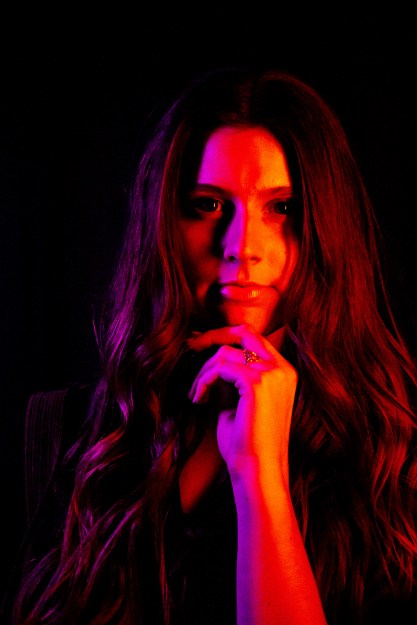
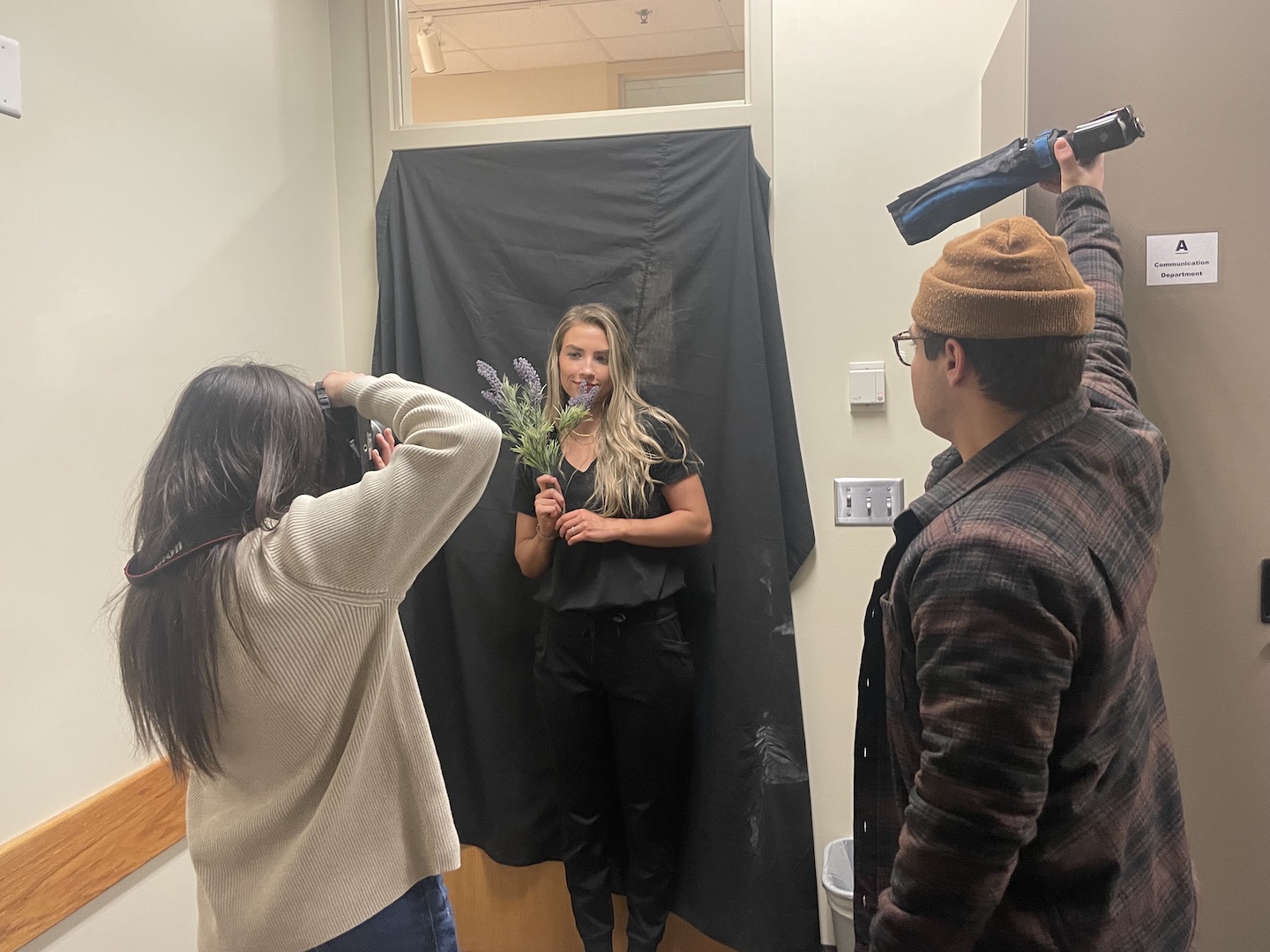
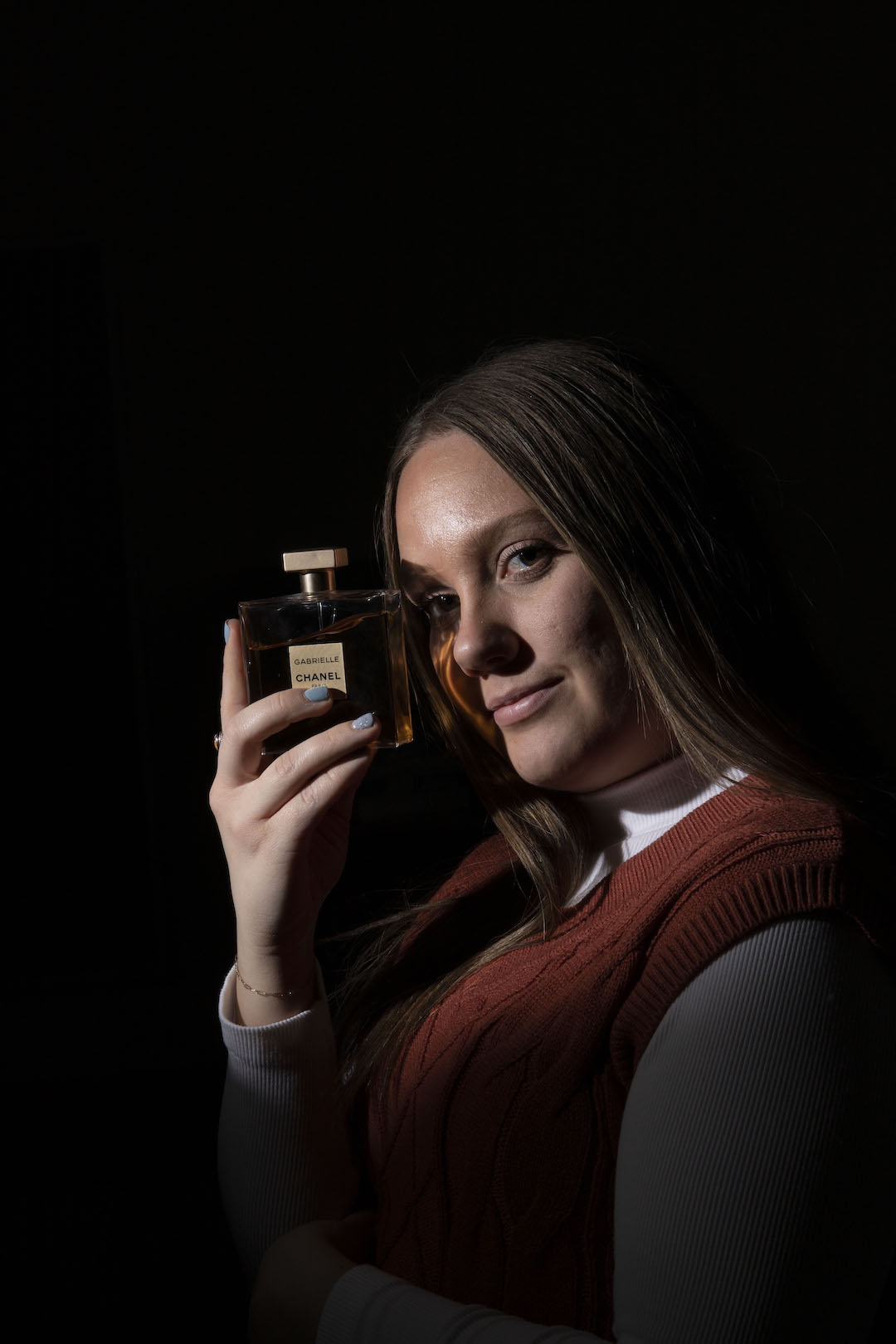
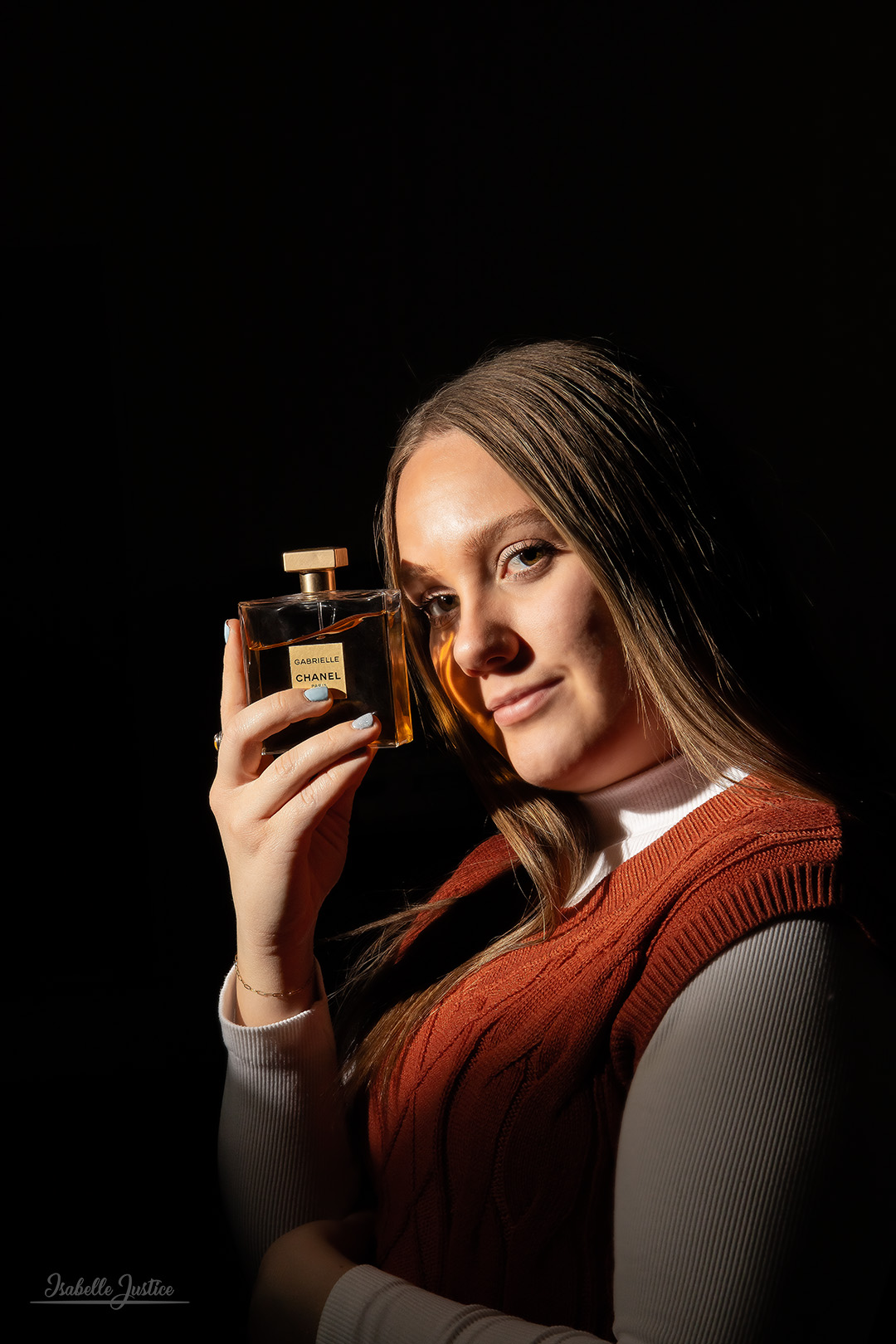
This week, we learned how to use a light kit in our photography. We focused on a technique called SQIBB, also known as “Studio Quality Invisible Black Backdrop”. To accomplish this, we learned how to set up a light kit, use a trigger, and use a snoot.
REXBURG – Reconstruction for local improvement districts have caused flooding in older homes, according to the city council public hearing on Jan. 18.
Local improvement districts, otherwise known as LIDs, are areas of the city that can be petitioned by locals for improvement, according to the City of Rexburg’s website.
Part of the LID’s construction process is to raise the sidewalks and roads for new buildings. However, this causes flooding for some homes due to incorrect elevation and poor water drainage.
“This has caused a great burden on us … our garage is 2 inches below the sidewalk,” said Tracy Olsen, a city local and opposer of LID 51. “All of the water will run towards our garage and into our basement. We have to bring in dirt around our house so it won’t fill up our basement.”
Tracy’s husband, Keith Olsen, worked in construction for years. Keith has frequent projects in progress to prevent the basement from flooding.
“If you were to look at my driveway right now, my car is in 4 inches of water,” said Keith with tears of frustration. “I have had to build a dam of snow and ice to stop water from coming into my house because somebody can’t get the elevation right … I’d like to see any one of you guys come and stay at my house and not slip and fall.”
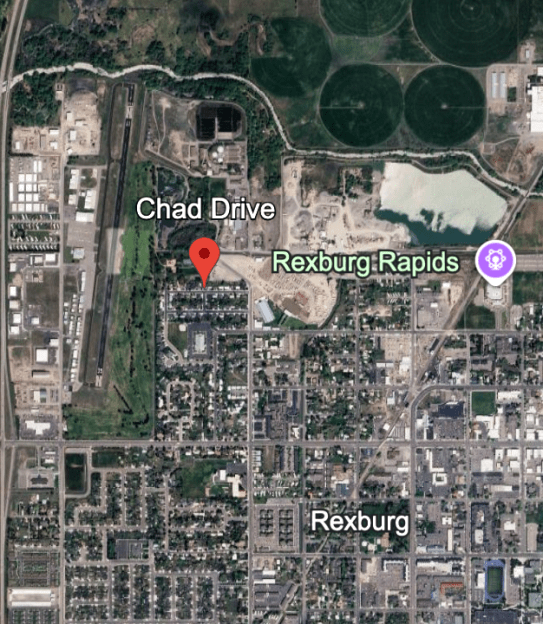
Tracy and her neighbors have relied on Keith’s service efforts to prevent their homes from being flooded. The city has yet to replant the streets on Chad Drive.
“We had only planned on and budgeted for a certain amount of money to do this project,” explained Tracy. “My husband did a lot of the work.”
Rexburg mayor, Jerry Merrill, was already aware of the situation.
“I know there is a problem (in your neighborhood),” said Merrill. “We have had discussions about it internally and are planning on working with you to correct the situation … if that hasn’t been communicated to you, I apologize.”
Rexburg’s Public Works staff member, Justin Beard, added context to the discussion.
“We’re aware that it’s a problem,” Beard explained. “We’ve had several meetings (with Keith) lined up to talk about it. Those meetings were canceled.”
Keith explained that he frequently travels out of town for construction work and that was why the meetings were cancelled.
City council member, Bryanna Johnson, said that she and the other council members were not aware of the flooding on Chad Street.
“I guess I didn’t explain,” admitted Merrill. “I didn’t really see that it was a big deal to get the whole council involved … it’s down on that one end of the street, the rest of it all is fine.”
Council President, Jordan Busby, concluded the hearing.
“I think that if the council is aware of it and the city is aware of it … I think we can move forward.” said Busby.
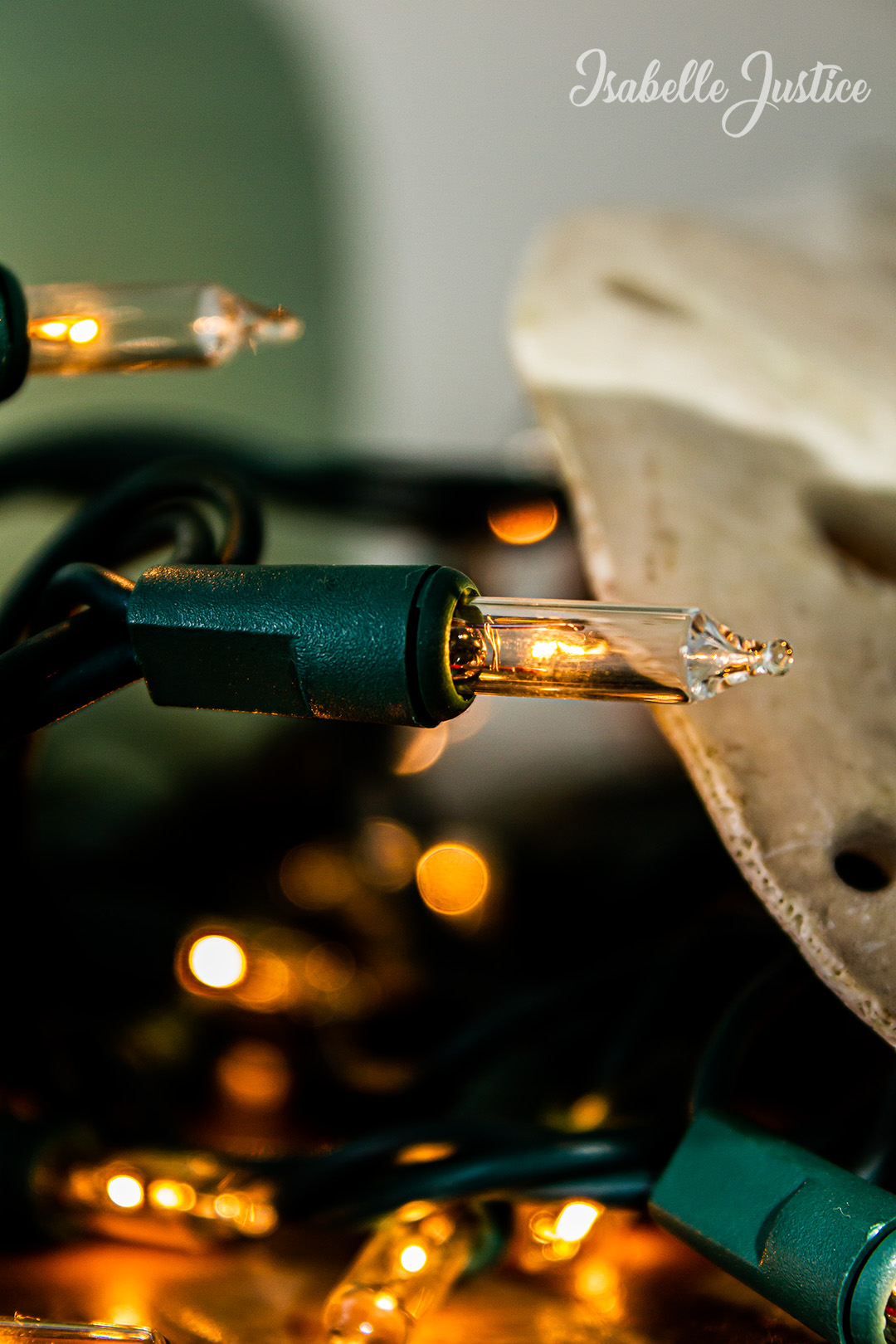
For our first photography assignment, I wanted to apply my creativity with the things I already have. In a world saturated with advertisements, media and easy ways to spend money, we can forget to be grateful for the things we already have. For my OSES project, I wanted to apply just that.
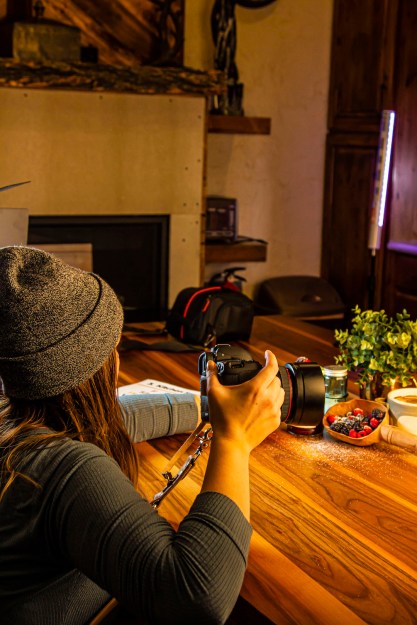
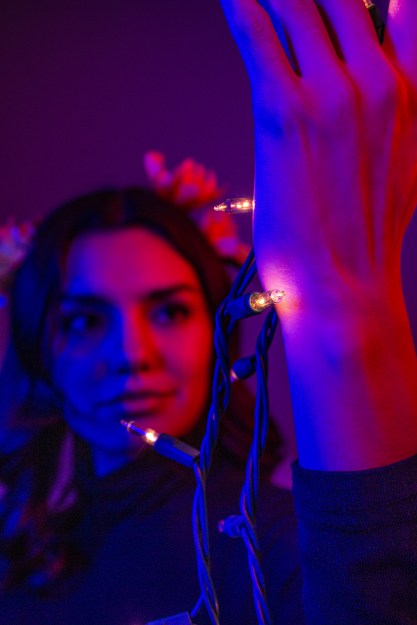
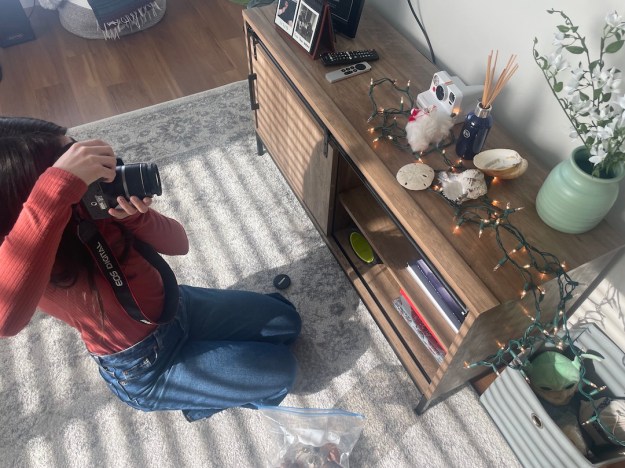
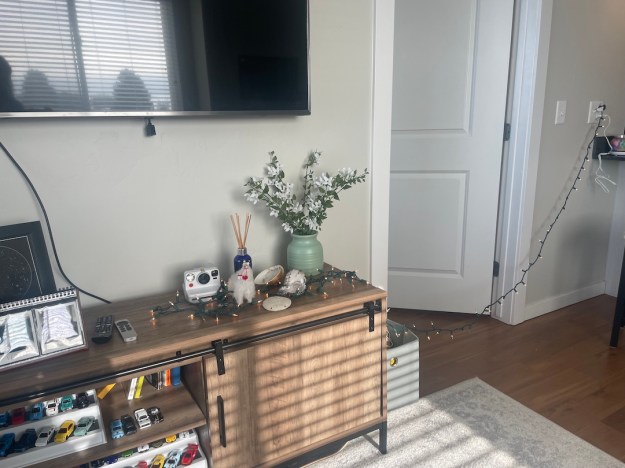
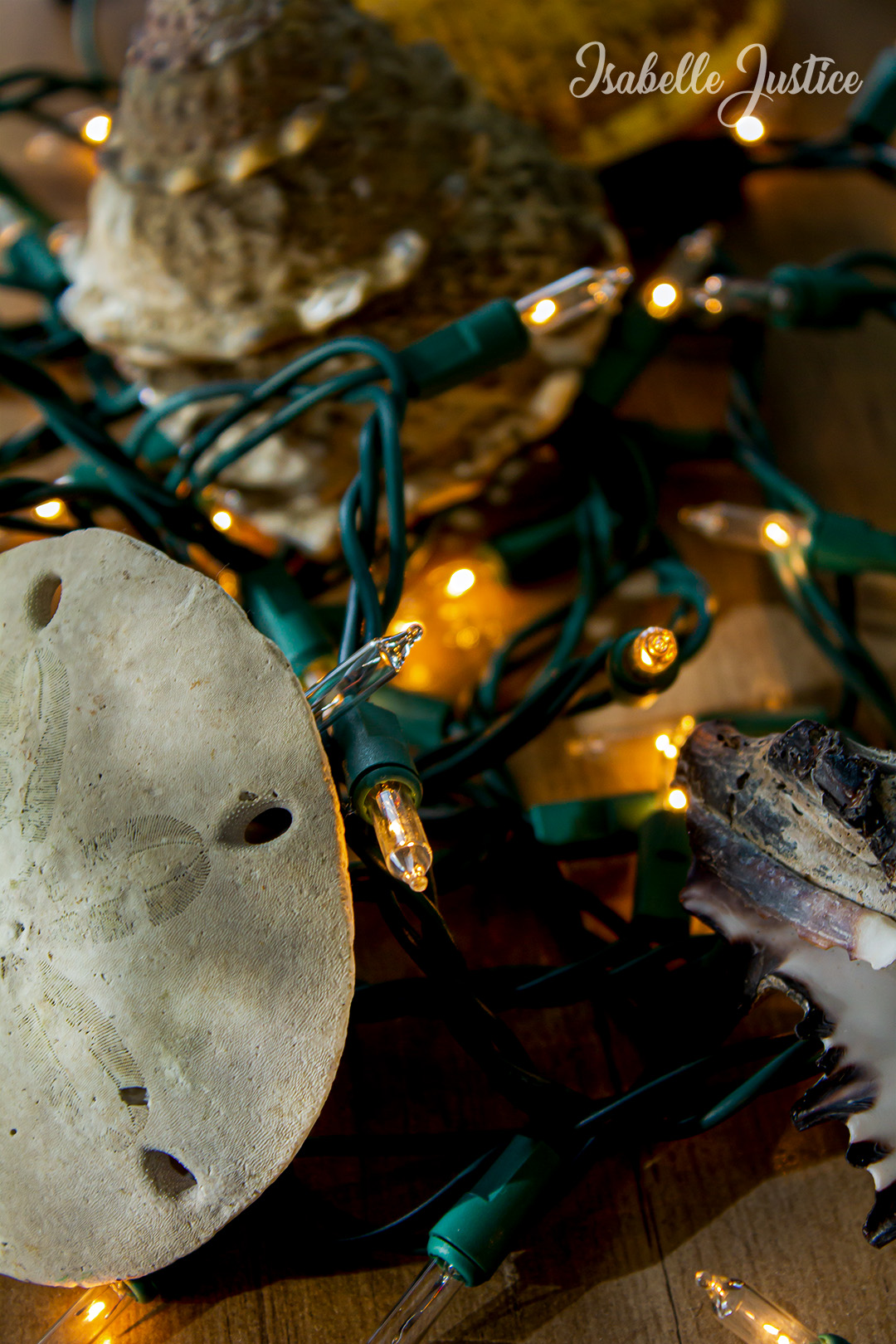
For those who don’t know, OSES stands for “Ordinary Spot, Extraordinary Shot”. This means taking your photos in an “ordinary” or boring spot and making them spectacular. With Christmas just last month, I still had some flashing lights I had in mind to use as props. Over the summer, my family and I went to Mexico and collected seashells. With the treasures I already had in my home, plus other knick-knacks, I could make an ordinary spot in my apartment extraordinary.
Original Set-Up & Editing
The editing process was rather simple! I used sliders in Camera Raw, such as temperature, exposure, contrast, highlights, shadows, textures and clarity. I took things a step further into Photoshop by dodging and burning and applying a final “Levels” filter. I also applied “Smart Sharpen” and my watermark.
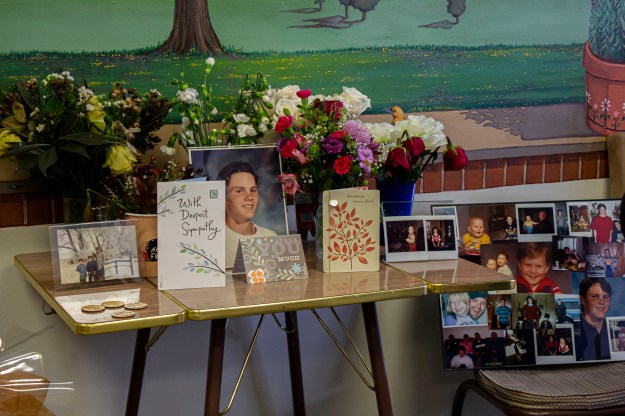
Juston Wadsworth, affectionately known as the ‘Soupman,’ passed away unexpectedly on December 13, 2022. To celebrate his life, family members gave away his soup to the community.
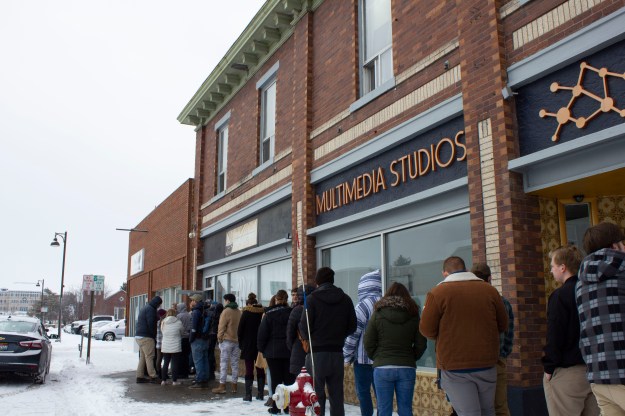
Juston Wadsworth was born on August 28, 1978. The father of three children and the owner of Rexburg’s very own soup shop, “Soup For You,” Wadsworth positively impacted the sleepy college town of Rexburg, Idaho.
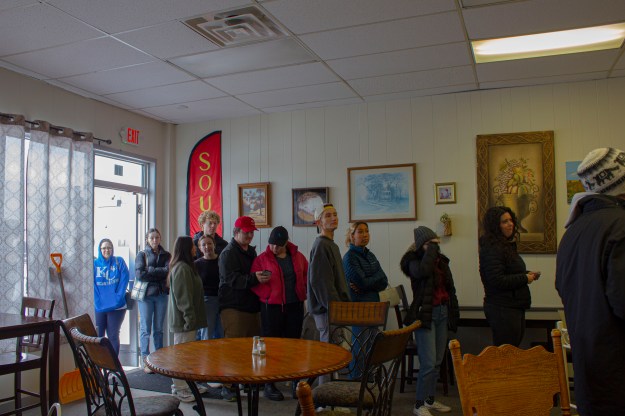
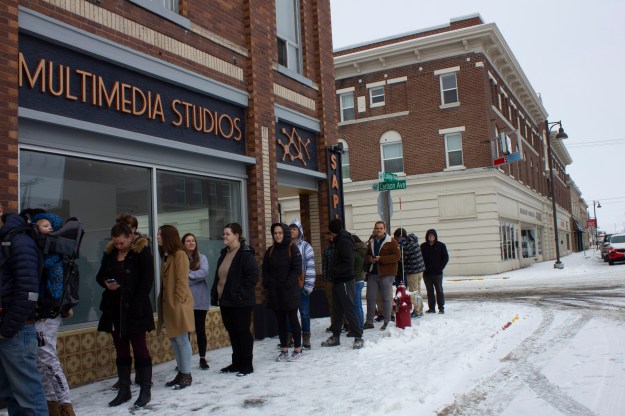
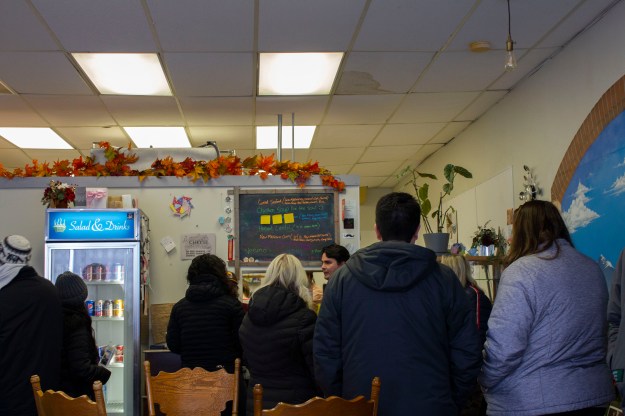
Inside the red brick shop with yellow antique tiling, the ambiance was heavy but full of love. Parents, children, family and college students created a line outside of the door, all for Wadsworth and his house-made soup.
The food options for the little soup shop’s last day of business were: Curried Seafood, Chicken Soup For the Soul, Cheesy Jalapeno and Bacon, Herbed Lentil, New Mexican Corn, and Creamy Tomato Pesto.
“Soup For You” was still filled with the same recognizable plants and collectible art, but this time, a shrine was made in Wadsworth’s name at the center of the store. Rexburg locals gave their condolences and graciously donated funds for Wadsworth’s funeral.
Written by Marica Davis, Emily Manwaring, Isabelle Justice, Carly Amon, and Dallin Jenkins
Trustworthy news appears to be a thing of the past. With how easy technology has made it to share information, journalism as a whole seems to be questioned by the public. However, this may not be an accurate narrative.
A BYU-Idaho survey1 discussed what factors affect people’s willingness to trust the news and how this affects on-campus students. Looking closely into the data, 6 questions arose and their implications were studied.
Question 1
The first question tackled was: Does the frequency of news consumption correlate to more trust in the news? When the data was placed, there was a clear relationship between news consumption and trust. The more news is consumed, the more trust a viewer has for it.
In a BYU-Idaho context, this makes sense. When students are researching a political topic, the use of news is one way to find more information on these issues. The journalists and guests on the news have a sense of knowledgeability that is impressionable to viewers. If an individual becomes available and is heavily influenced by constant news exposure, they grow a dependency according to the data. As this continues, they begin to see and trust what they want to hear.
Question 2
The next question was: Do political leanings affect people’s trust in the news? Knowing where someone stands politically can affect their interpretation and feelings toward the news. This is proved by the data. From the data in the graph below, we can infer that the political leanings are consistently varied, with the lowest percentage at 3%, the highest percentage at 100%, and no clear trend.
That being said, those who trust the news are not led to trust the news more or less depending on their political standing. In a study written by Y. Tsfati2, it states that “the more one consumes news and public affairs information, the more likely one is to feel confident in their ability to understand politics.” This point is also proved by the data.
Question 3
The third question addressed was: Does enjoyment of the news affect perceived reliability? The numbers of a BYU-I survey were looked at closely to find the answer. The results of those who said they enjoyed consuming the news were addressed, but also those who felt the news media understood them. The average answer of those who thought the news understood them was 5.2 (out of 10). On the other hand, the answer of those who enjoyed the news was only 4.6 (out of 10).
From this, we can see that just because people may feel that they are understood doesn’t mean they enjoy what they are being fed as news. In general, people didn’t trust the news. The average answer was a low 33.1 (out of 100) in whether they trusted the news. From this, we learn that enjoyment of the news doesn’t seem to affect reliability as much as feeling understood by the news media.
Question 4
Then the fourth question: Does actively searching for news effect perceived reliability? This seemed to be contradictory at first, but after looking at the numbers from a BYU-I Survey, it does seem to affect the way people view the news, but in the negative. When people were passively intaking news, they seemed to be more apathetic with what they were reading.
As you can see from the chart, a good majority of the people were NOT actively looking for their news, and most people who responded did not trust the news in general. Those that were actively looking for news seemed to believe what they were reading more readily than those that stumbled on it via social media, etc… In general, the people looking for their news tended to trust what they were reading more than those that passively found it.
Question 5
The fifth question was: If people think the government has a hand in the news, do they trust it less? While one may think that people deem the news to be more reliable when the government stays out of the source, the data in this study at BYU-Idaho says otherwise. When asked if the government funds much of the news, students’ answers were nearly split even, favoring the affirmative answer.
In addition, those who said that the government does fund much of the news responded with an average rating of trust of 30/100. Those who responded that the government does not fund much of the news, also provided a similar average rating of trust, 37/100. This insinuates that they each have only about 33% trust in the news, which means that 67% of their sentiment toward the news is distrust.
Seeing as the trust on both sides of the question is very low, the instance of whether or not the government funds the news, does not seem to have any bearing on how much BYU–Idaho students trust the news.
Question 6
The next question added a new dimension to this topic, which was: Which programs are the most trusted and least trusted? For BYU-Idaho students, the top three viewed news sources were the Huffington Post, now known as the HuffPost, CNN, and the Wallstreet Journal. If we infer that perceived news viewership correlates to viewership trust, the chart below would be correct.
These results are surprising, especially based on BYU-Idaho’s “conservative” stereotype3. While BYU-Idaho is a church school and Latter-day Saints are a mostly conservative group, the most trusted news sources were CNN and HuffPost which are very left-leaning.
For a deeper context, the average accuracy for news sources is 61.9%. The HuffPost, has 54.6% accuracy4. CNN has a 53.3% accuracy5 and the Washington Post6 has 64.4% accuracy. HuffPost and CNN are considered left-biased sources, while the Washington Post has an above-average grade and a moderate right bias.
The news sources with the least perceived viewing were Vogue, Vox, and The Atlantic also. Vogue7 had a 39.86 Reliability Score and is left-biased. Vox8 had a high accuracy at 74.2% and is left-biased. The Atlantic9 had a 67.3% accuracy and is left-biased. This small data sample shows little correlation between low news reliability and low perceived viewership levels.
Our Findings
In conclusion, there is overall low trust in the news, whether or not the government is involved. There are varying levels of political views at BYU-Idaho and the more news is consumed, the more it is trusted. Most viewed news sources are left-leaning and have low accuracy scores.
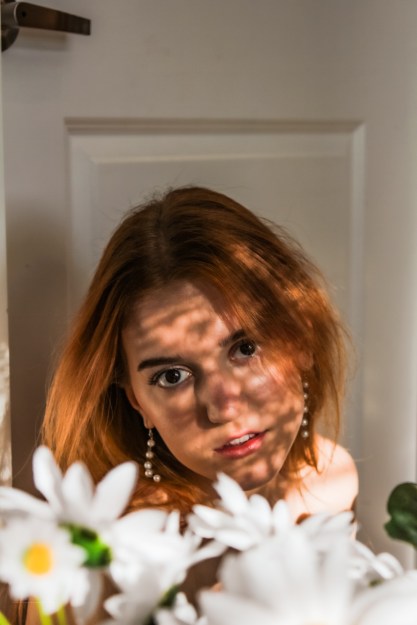
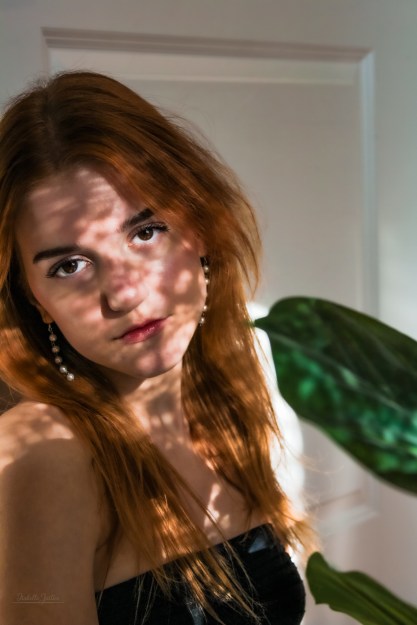
For these shots, I used a white backdrop, light kit, and gold diffuser. My model brought flowers, and I purchased some more to incorporate contrast.
In Camera Raw, I decreased the texture and adjusted the lighting. In Photoshop, I smart-sharpened, used a Gaussian blur mask, and used the healing tool to emit some of the distracting wrinkles with the backdrop. I then used Lightroom to create presents for this shoot and altered them individually on each photo.
I was worried the photos would be too dark to fix in post-production, but I was pleasantly surprised. I used plenty of dodge and burn to make the images more interesting.
This semester I have grown so much. At the beginning of this course, I didn’t even know what aperture or ISO was. After studying how a camera works and personally testing it out for myself, I have become really proud of my work.
For my 16×24 Fine Art print, I chose two photos.
The first photo I chose was of a beautiful mustang named Maserati. He was part of the Bannack, Montana photo excursion I was able to go on. When editing this, I really wanted to accentuate the texture of his hair and his aging spots. Sister Esplin gave a personalized workshop for the Digital Imaging students and she helped me understand how to do this in Photoshop. After she helped me, I made some adjustments myself. I used a lot of masks and used adjustments such as sharpening, Camera Raw filters, gaussian blur, and levels.
Below is the original image.
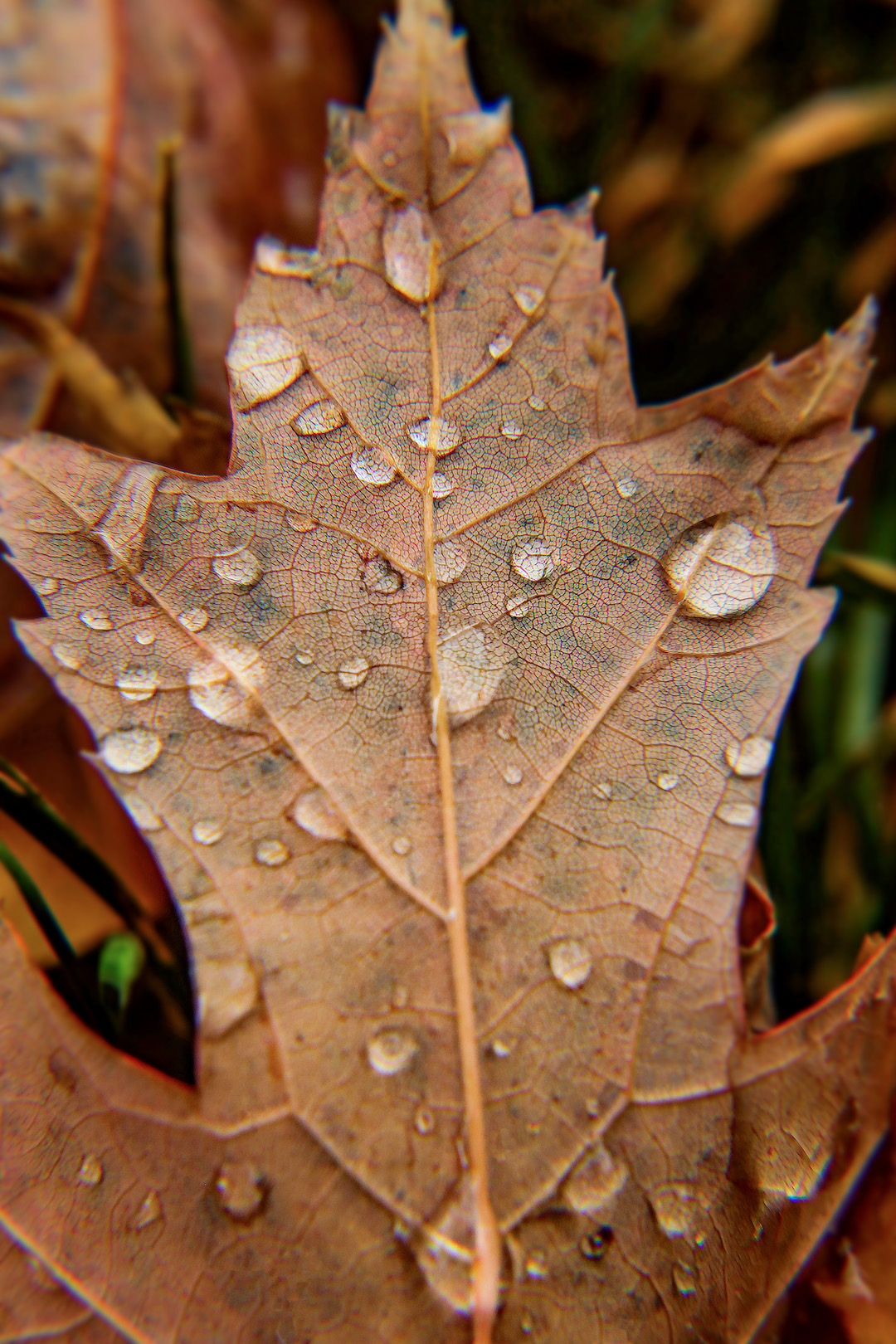
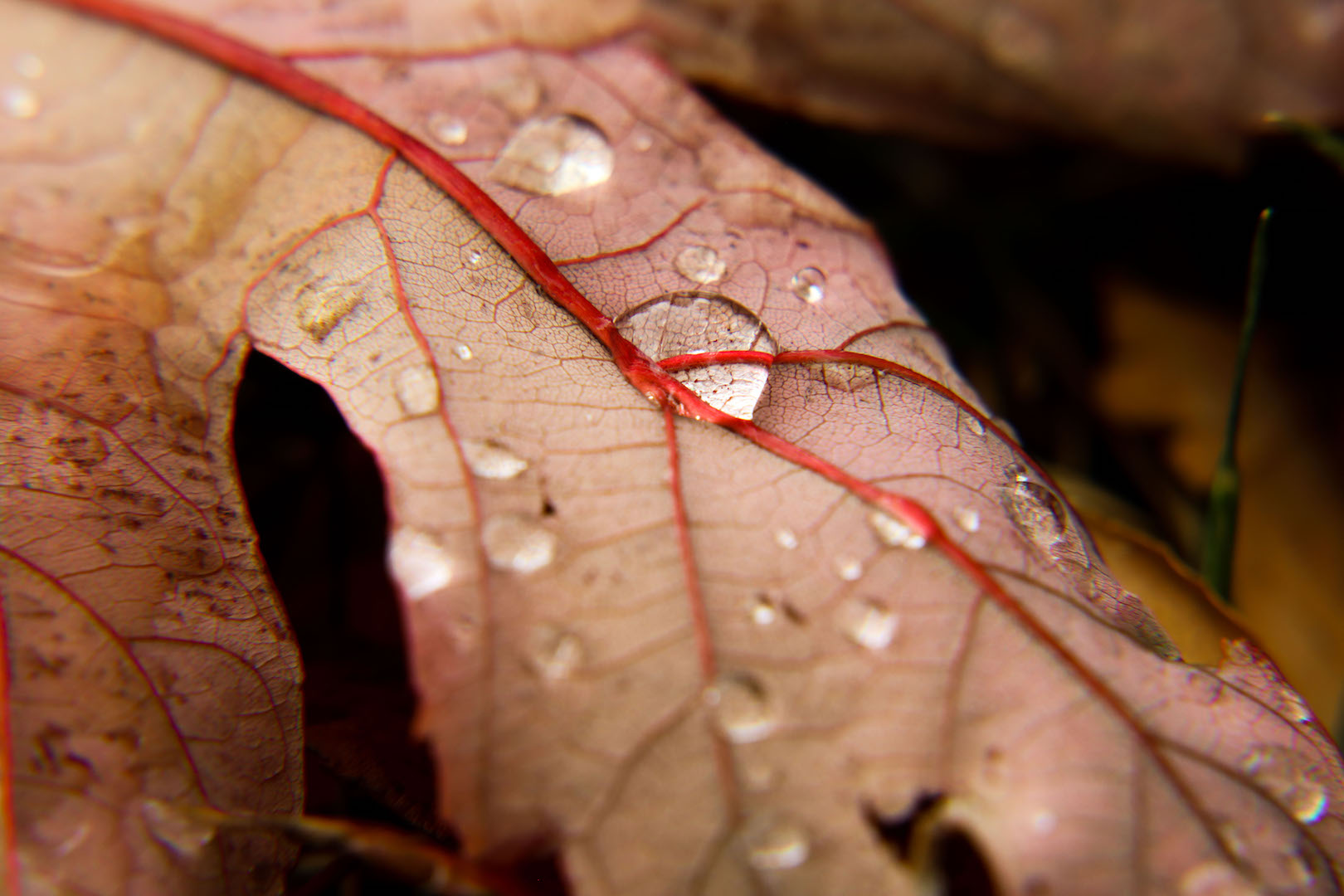
The next photo I chose to print was of my macro leaf shots. This was actually an in-class activity where props were brought into class for us to take photos of. The leaves outside were beautiful and I wasn’t impressed with how these macro shots were turning out. I decided to go outside ad try things from a new perspective. After Sister Esplin showed me some tips in Photoshop, I wanted to apply this for myself. So, for this photo, I used a Camera Raw filter, a sharpen mask, a gaussian blur mask, level adjustments, and the healing tool to cover up distracting holes in the leaf.
As the semester tips over its halfway point and our in-class photography is complete, we were assigned to compile our top 5 photographs.
Looking over my work, I am pleasantly surprised by my improvement. I can also see how much my taste in photography has changed! Photographs that I thought were my best work at the beginning of the semester has changed. It was really nice to look back and physically see my progress.
Elevate is a campus-wide competition at BYU-Idaho. Students from different majors get together and present a project to a set of judges. The purpose of the project is to create something that will improve the campus experience. Each semester, Elevate has a different theme. This semester’s question was: How can we achieve unified discipleship amidst, diversity, distance and difference?
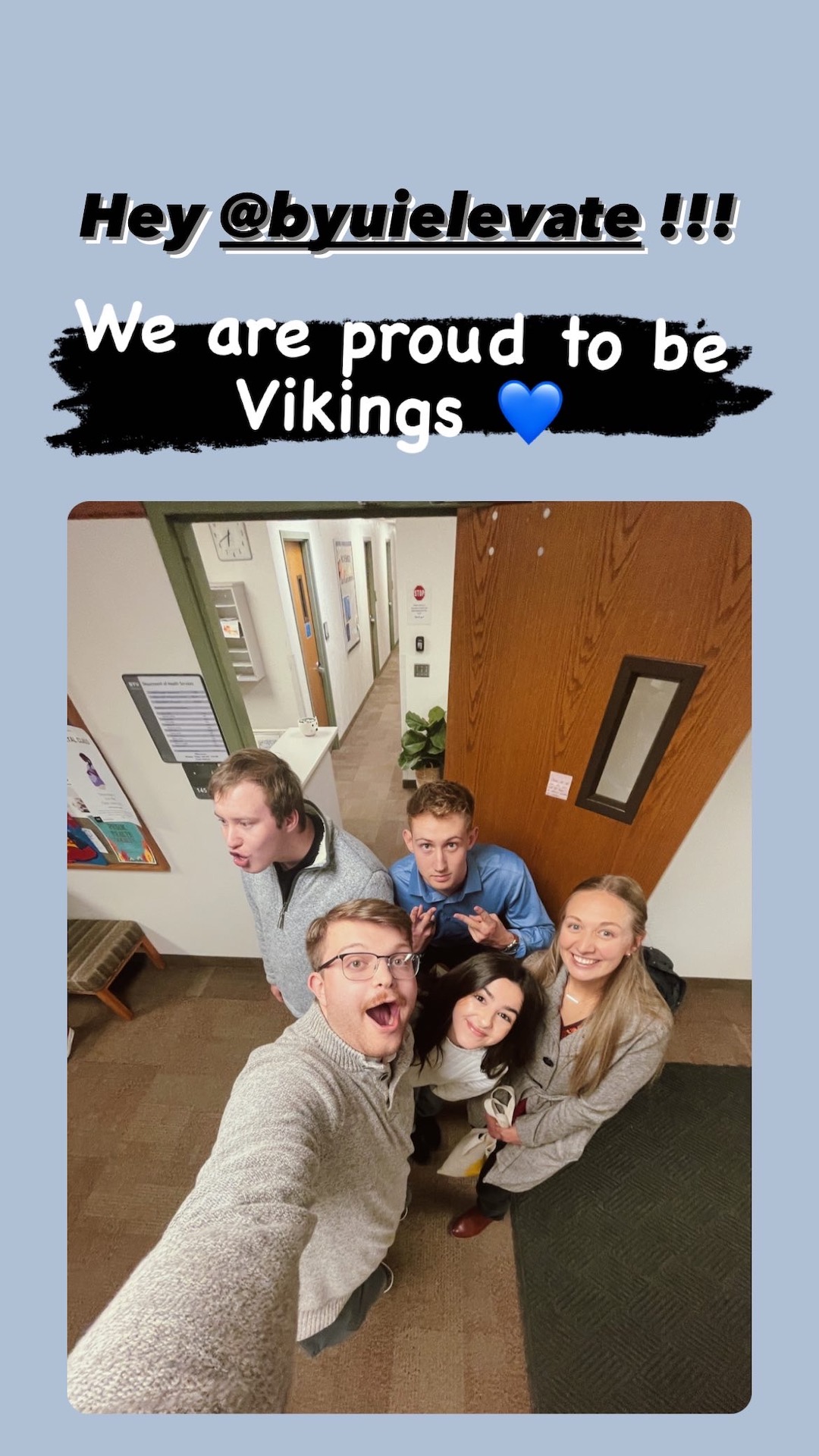
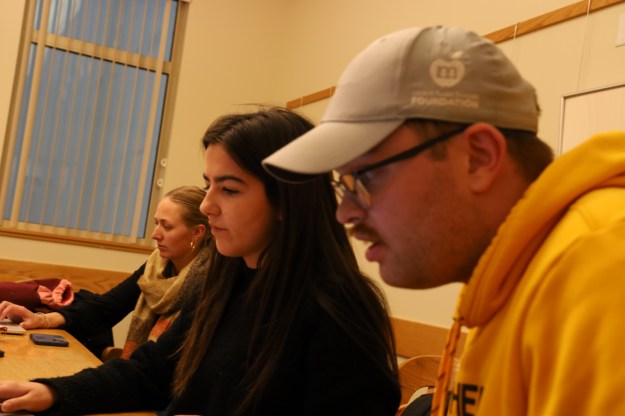
As we competed in the Elevate competition, our group discussed the concept of unity and connection. Why are students at BYU-Idaho so disconnected? What makes this university so different than others? My group studied the difference between BYU- Idaho and Ricks College and noticed the biggest difference – the lack of a mascot. We proposed that BYU- Idaho should reintroduce the Viking Mascot digitally. This will increase school spirit and unity among students, all while spending little to no money and providing networking and internship opportunities for students.
Reintroducing the Viking Mascot, known as Thor, can bring new opportunities to students in the form of design practice, internships, and overall student connection. The Viking Mascot can be implemented in BYU-I social media and merchandise, including but not limited to, the University Store. Hashtags can also be used online to increase school spirit.
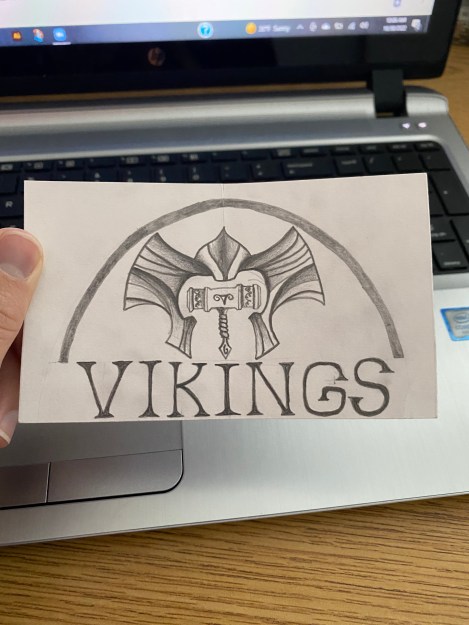
The skills that I used for this Elevate project were my graphic design and writing skills. I wrote the abstract our group submitted as well as formatting the Google Slideshow. I also made the mockup Viking logo, which took a sufficient amount of time. I spent about 12 hours on this project, according to my tracking journal. I felt that my team was really connected and worked hard. Even though we all had busy schedules, we made our Elevate project great!
During the performance, I presented the slides that went over the logo design process. I talked about how the logo will help the school in three ways: internship opportunities, campus involvement through a student logo competition and new merchandise for the university store, bringing in new income and excitement from students.















































































 Isabelle Justice