Juston Wadsworth, affectionately known as the ‘Soupman,’ passed away unexpectedly on December 13, 2022. To celebrate his life, family members gave away his soup to the community.
Juston Wadsworth was born on August 28, 1978. The father of three children and the owner of Rexburg’s very own soup shop, “Soup For You,” Wadsworth positively impacted the sleepy college town of Rexburg, Idaho.
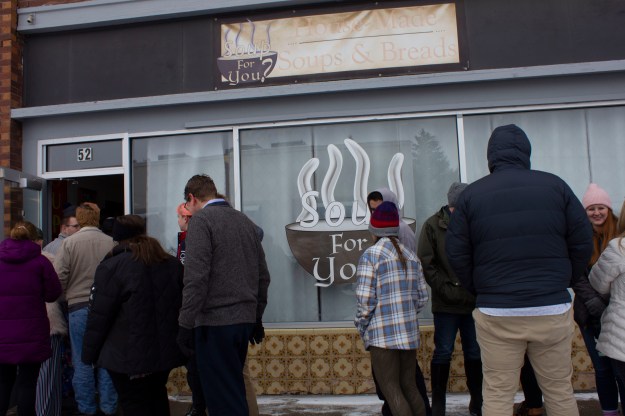
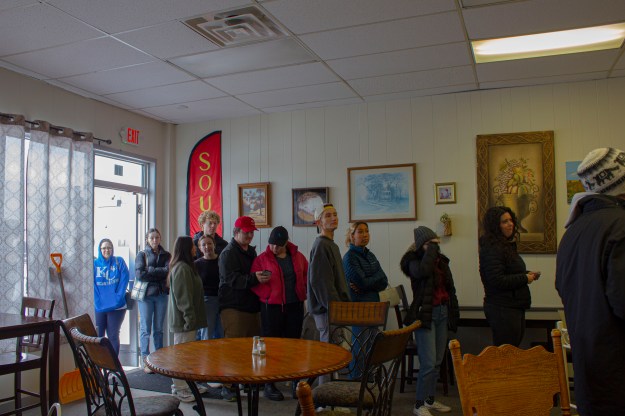
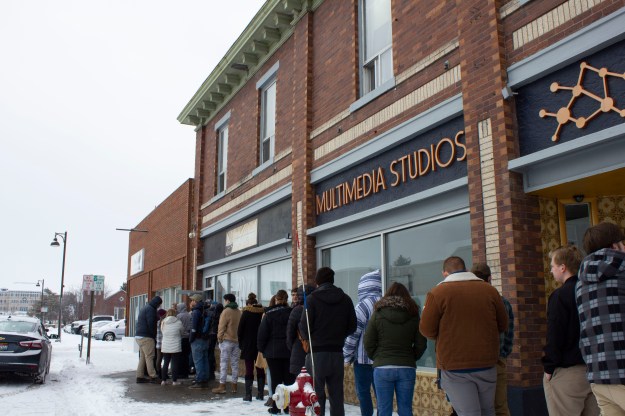
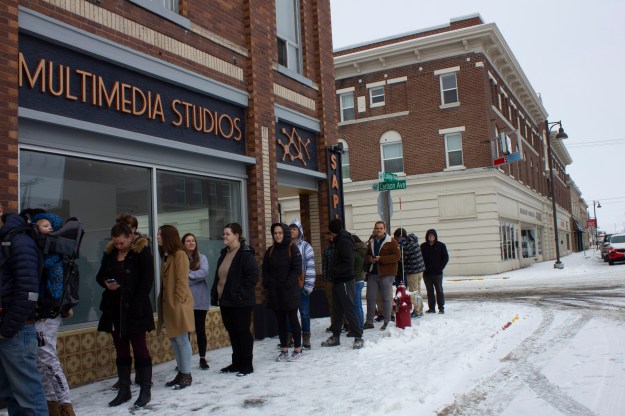
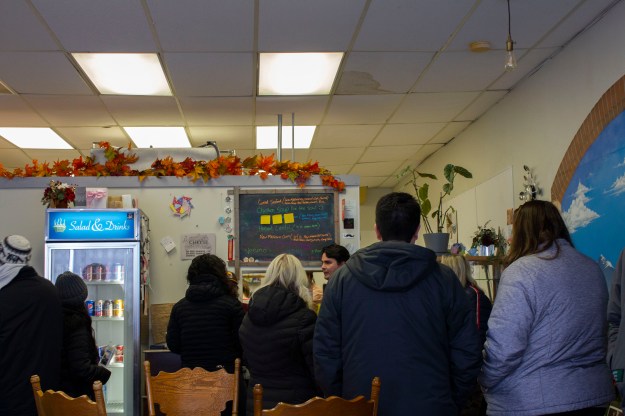
Inside the red brick shop with yellow antique tiling, the ambiance was heavy but full of love. Parents, children, family and college students created a line outside of the door, all for Wadsworth and his house-made soup.
The food options for the little soup shop’s last day of business were: Curried Seafood, Chicken Soup For the Soul, Cheesy Jalapeno and Bacon, Herbed Lentil, New Mexican Corn, and Creamy Tomato Pesto.
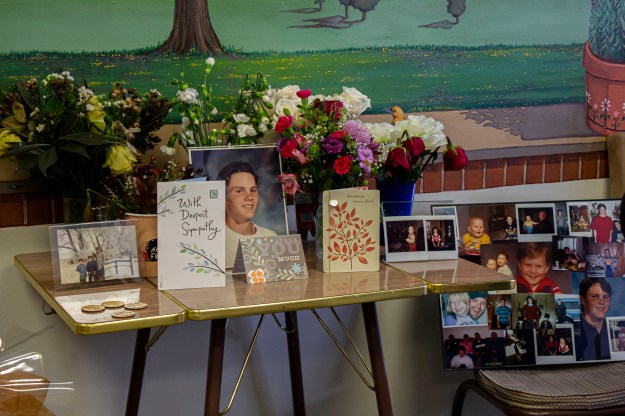
“Soup For You” was still filled with the same recognizable plants and collectible art, but this time, a shrine was made in Wadsworth’s name at the center of the store. Rexburg locals gave their condolences and graciously donated funds for Wadsworth’s funeral.
Written by Marica Davis, Emily Manwaring, Isabelle Justice, Carly Amon, and Dallin Jenkins
Trustworthy news appears to be a thing of the past. With how easy technology has made it to share information, journalism as a whole seems to be questioned by the public. However, this may not be an accurate narrative.
A BYU-Idaho survey1 discussed what factors affect people’s willingness to trust the news and how this affects on-campus students. Looking closely into the data, 6 questions arose and their implications were studied.
Question 1
The first question tackled was: Does the frequency of news consumption correlate to more trust in the news? When the data was placed, there was a clear relationship between news consumption and trust. The more news is consumed, the more trust a viewer has for it.
In a BYU-Idaho context, this makes sense. When students are researching a political topic, the use of news is one way to find more information on these issues. The journalists and guests on the news have a sense of knowledgeability that is impressionable to viewers. If an individual becomes available and is heavily influenced by constant news exposure, they grow a dependency according to the data. As this continues, they begin to see and trust what they want to hear.
Question 2
The next question was: Do political leanings affect people’s trust in the news? Knowing where someone stands politically can affect their interpretation and feelings toward the news. This is proved by the data. From the data in the graph below, we can infer that the political leanings are consistently varied, with the lowest percentage at 3%, the highest percentage at 100%, and no clear trend.
That being said, those who trust the news are not led to trust the news more or less depending on their political standing. In a study written by Y. Tsfati2, it states that “the more one consumes news and public affairs information, the more likely one is to feel confident in their ability to understand politics.” This point is also proved by the data.
Question 3
The third question addressed was: Does enjoyment of the news affect perceived reliability? The numbers of a BYU-I survey were looked at closely to find the answer. The results of those who said they enjoyed consuming the news were addressed, but also those who felt the news media understood them. The average answer of those who thought the news understood them was 5.2 (out of 10). On the other hand, the answer of those who enjoyed the news was only 4.6 (out of 10).
From this, we can see that just because people may feel that they are understood doesn’t mean they enjoy what they are being fed as news. In general, people didn’t trust the news. The average answer was a low 33.1 (out of 100) in whether they trusted the news. From this, we learn that enjoyment of the news doesn’t seem to affect reliability as much as feeling understood by the news media.
Question 4
Then the fourth question: Does actively searching for news effect perceived reliability? This seemed to be contradictory at first, but after looking at the numbers from a BYU-I Survey, it does seem to affect the way people view the news, but in the negative. When people were passively intaking news, they seemed to be more apathetic with what they were reading.
As you can see from the chart, a good majority of the people were NOT actively looking for their news, and most people who responded did not trust the news in general. Those that were actively looking for news seemed to believe what they were reading more readily than those that stumbled on it via social media, etc… In general, the people looking for their news tended to trust what they were reading more than those that passively found it.
Question 5
The fifth question was: If people think the government has a hand in the news, do they trust it less? While one may think that people deem the news to be more reliable when the government stays out of the source, the data in this study at BYU-Idaho says otherwise. When asked if the government funds much of the news, students’ answers were nearly split even, favoring the affirmative answer.
In addition, those who said that the government does fund much of the news responded with an average rating of trust of 30/100. Those who responded that the government does not fund much of the news, also provided a similar average rating of trust, 37/100. This insinuates that they each have only about 33% trust in the news, which means that 67% of their sentiment toward the news is distrust.
Seeing as the trust on both sides of the question is very low, the instance of whether or not the government funds the news, does not seem to have any bearing on how much BYU–Idaho students trust the news.
Question 6
The next question added a new dimension to this topic, which was: Which programs are the most trusted and least trusted? For BYU-Idaho students, the top three viewed news sources were the Huffington Post, now known as the HuffPost, CNN, and the Wallstreet Journal. If we infer that perceived news viewership correlates to viewership trust, the chart below would be correct.
These results are surprising, especially based on BYU-Idaho’s “conservative” stereotype3. While BYU-Idaho is a church school and Latter-day Saints are a mostly conservative group, the most trusted news sources were CNN and HuffPost which are very left-leaning.
For a deeper context, the average accuracy for news sources is 61.9%. The HuffPost, has 54.6% accuracy4. CNN has a 53.3% accuracy5 and the Washington Post6 has 64.4% accuracy. HuffPost and CNN are considered left-biased sources, while the Washington Post has an above-average grade and a moderate right bias.
The news sources with the least perceived viewing were Vogue, Vox, and The Atlantic also. Vogue7 had a 39.86 Reliability Score and is left-biased. Vox8 had a high accuracy at 74.2% and is left-biased. The Atlantic9 had a 67.3% accuracy and is left-biased. This small data sample shows little correlation between low news reliability and low perceived viewership levels.
Our Findings
In conclusion, there is overall low trust in the news, whether or not the government is involved. There are varying levels of political views at BYU-Idaho and the more news is consumed, the more it is trusted. Most viewed news sources are left-leaning and have low accuracy scores.
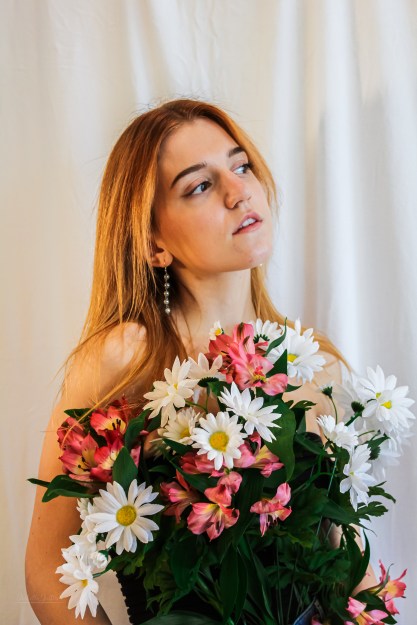
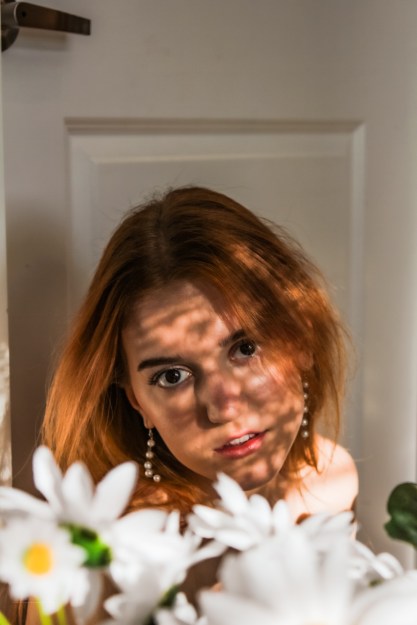
For these shots, I used a white backdrop, light kit, and gold diffuser. My model brought flowers, and I purchased some more to incorporate contrast.
In Camera Raw, I decreased the texture and adjusted the lighting. In Photoshop, I smart-sharpened, used a Gaussian blur mask, and used the healing tool to emit some of the distracting wrinkles with the backdrop. I then used Lightroom to create presents for this shoot and altered them individually on each photo.
I was worried the photos would be too dark to fix in post-production, but I was pleasantly surprised. I used plenty of dodge and burn to make the images more interesting.
I used to take myself so seriously But not in the way you might think
I took myself In the way you study for a test The way you think about a gift The final draft The culmination of your work Cut to perfection at all times
I sought life as a series of rights and wrongs That someone was just waiting for the moment I crack Pen and paper in hand, Ready to dock my worth
Maybe today, I still care a little too much But I believe that is irrevocably woven into my soul As a blessing, rather than curse
This morning, I don’t take myself so seriously I see life as a game, and this time, I like games
It’s challenging Prospering towards growth You see, when the past spends the night curled in my living room I work overtime Dissecting and worrying But maybe, Life isn’t so deep And they can spend another night And that’s alright
This evening, I will take myself The way you care for someone young
I take myself The way I love another
It’s none of my business what you think, I take myself not so seriously
This semester I have grown so much. At the beginning of this course, I didn’t even know what aperture or ISO was. After studying how a camera works and personally testing it out for myself, I have become really proud of my work.
For my 16×24 Fine Art print, I chose two photos.
The first photo I chose was of a beautiful mustang named Maserati. He was part of the Bannack, Montana photo excursion I was able to go on. When editing this, I really wanted to accentuate the texture of his hair and his aging spots. Sister Esplin gave a personalized workshop for the Digital Imaging students and she helped me understand how to do this in Photoshop. After she helped me, I made some adjustments myself. I used a lot of masks and used adjustments such as sharpening, Camera Raw filters, gaussian blur, and levels.
Below is the original image.
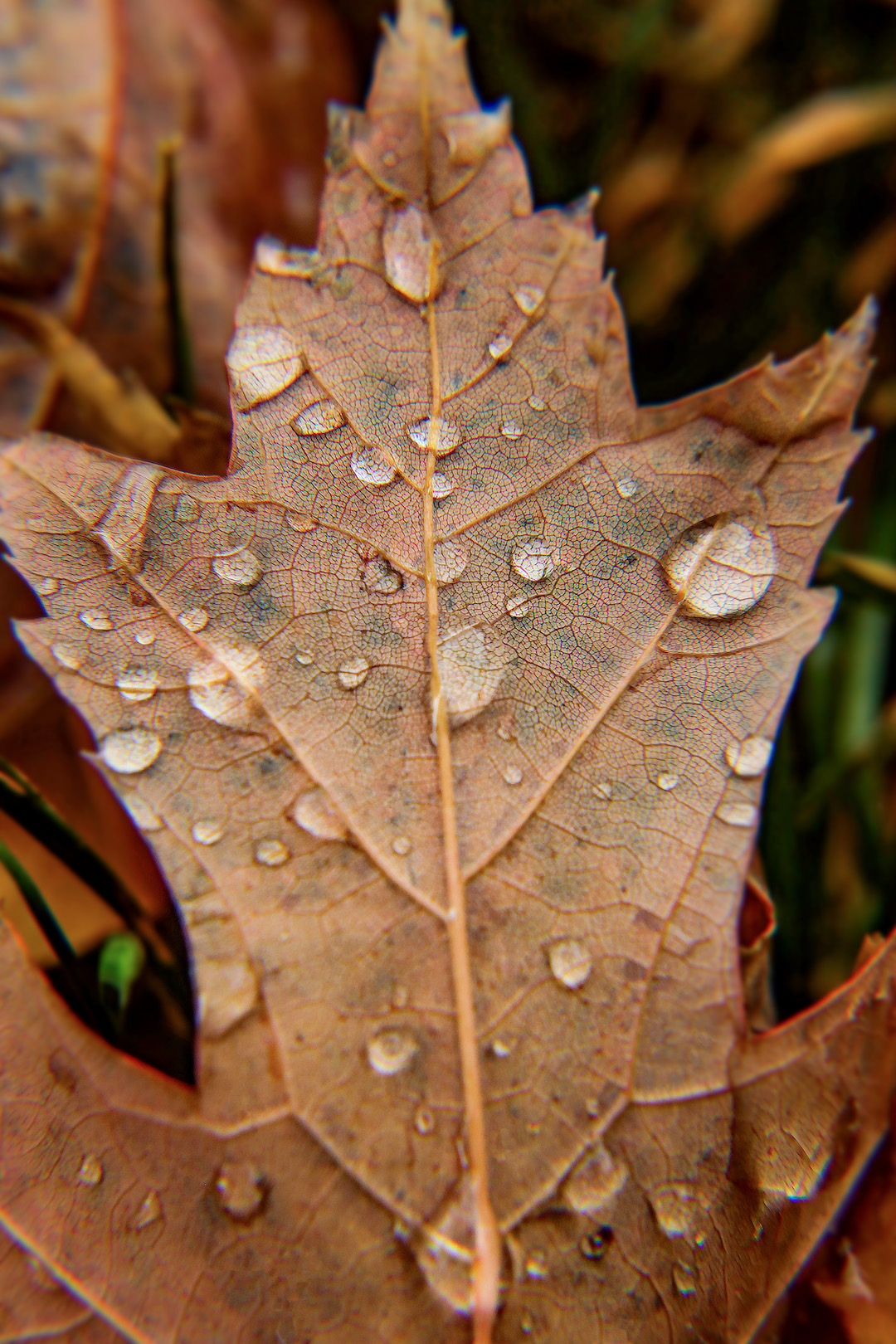
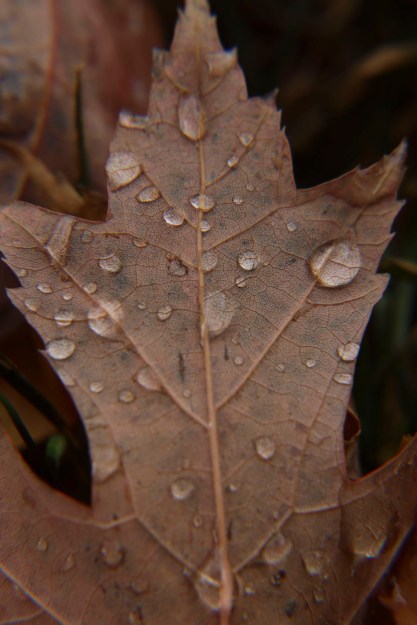
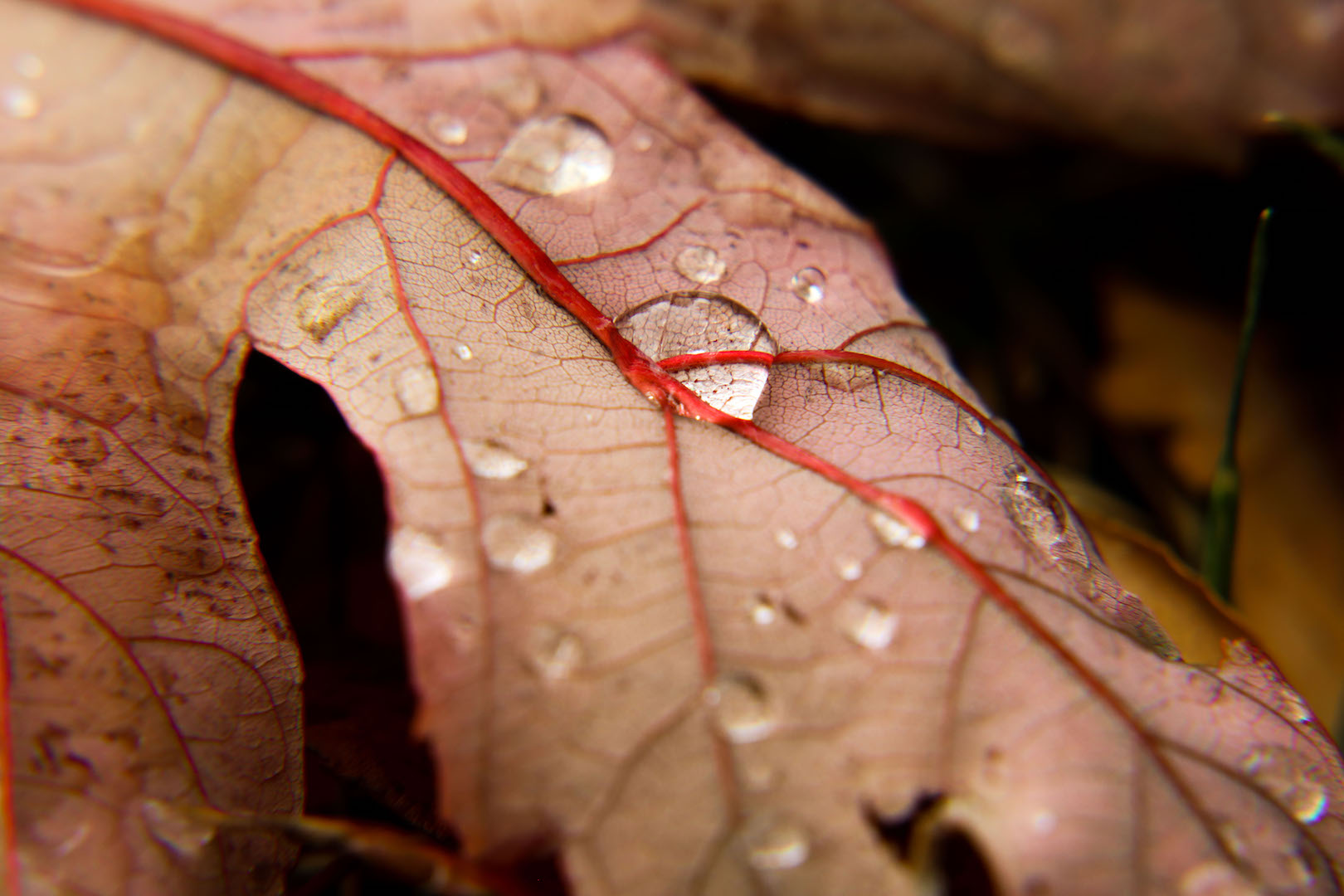
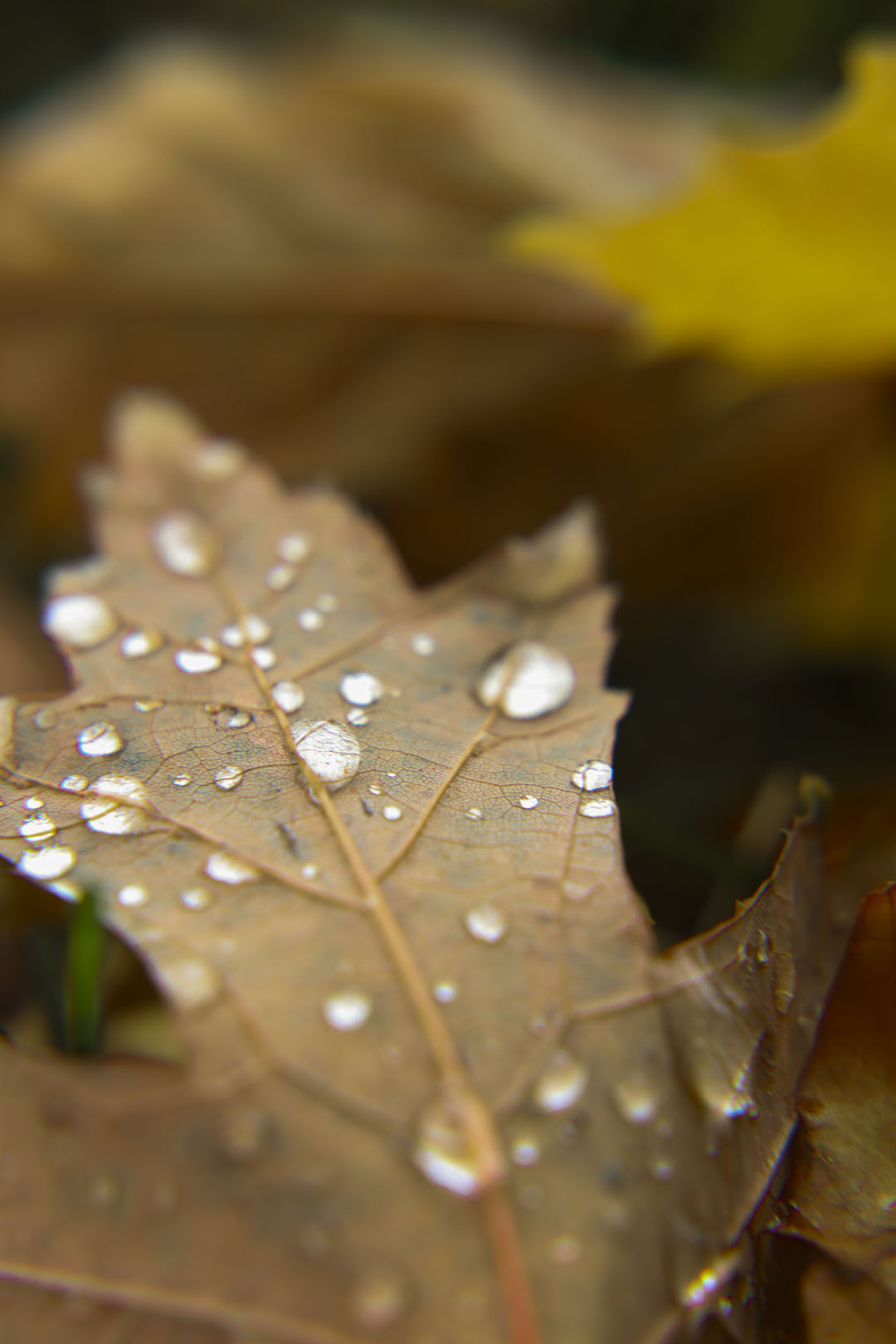
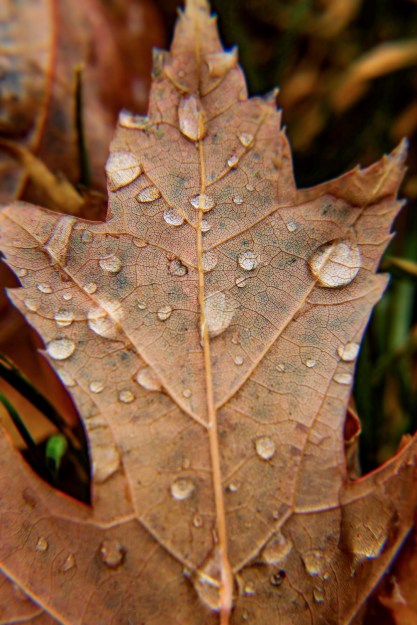
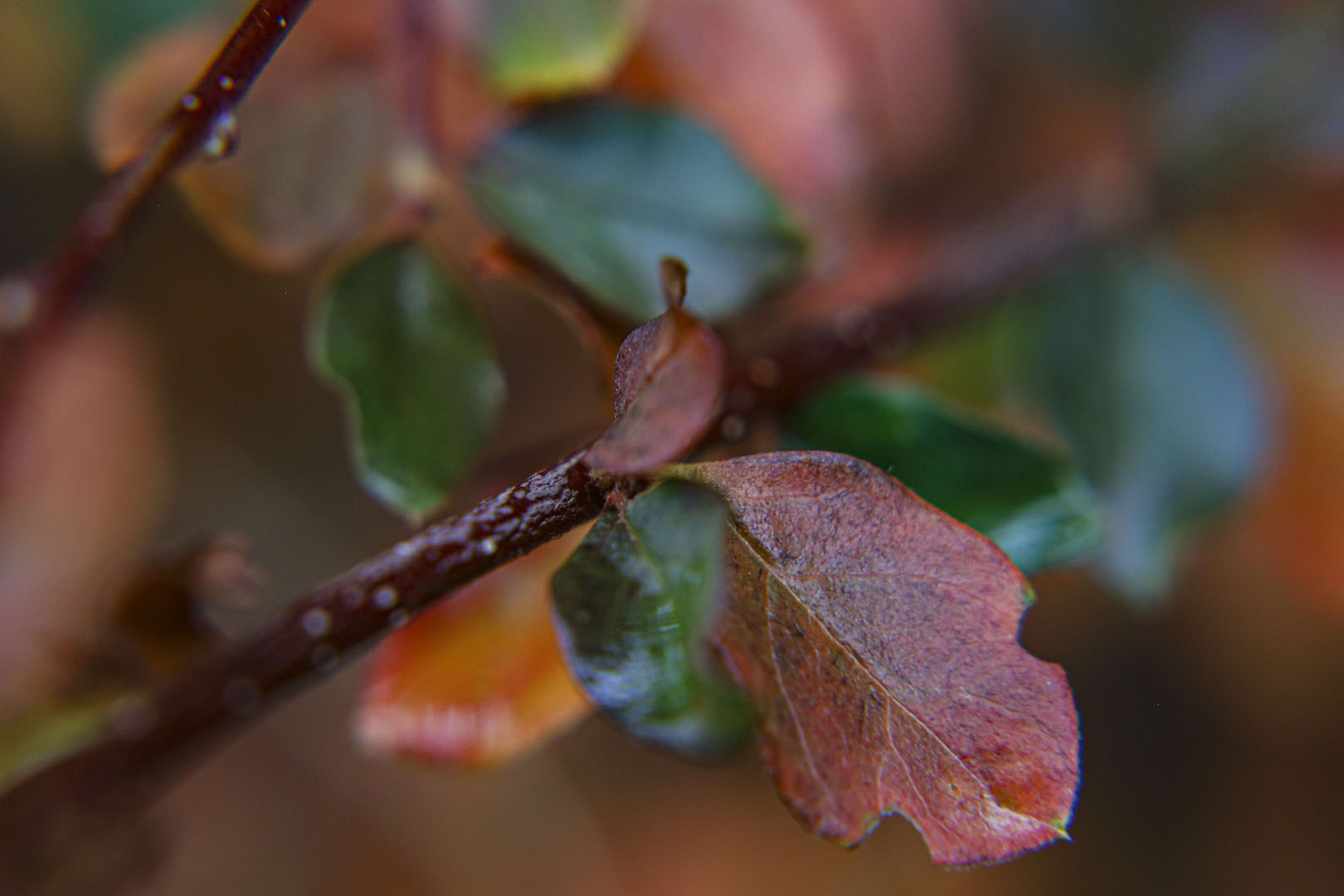
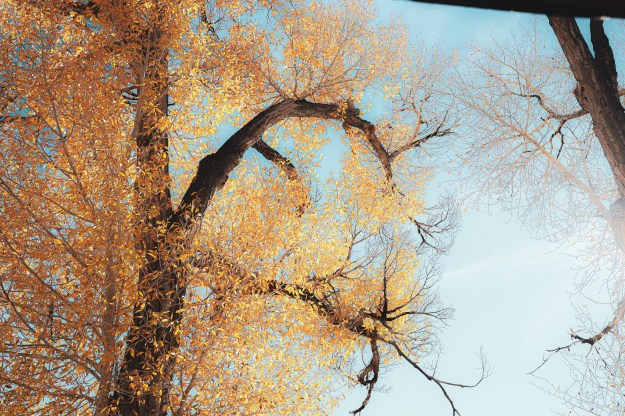
The next photo I chose to print was of my macro leaf shots. This was actually an in-class activity where props were brought into class for us to take photos of. The leaves outside were beautiful and I wasn’t impressed with how these macro shots were turning out. I decided to go outside ad try things from a new perspective. After Sister Esplin showed me some tips in Photoshop, I wanted to apply this for myself. So, for this photo, I used a Camera Raw filter, a sharpen mask, a gaussian blur mask, level adjustments, and the healing tool to cover up distracting holes in the leaf.
As the semester tips over its halfway point and our in-class photography is complete, we were assigned to compile our top 5 photographs.
Looking over my work, I am pleasantly surprised by my improvement. I can also see how much my taste in photography has changed! Photographs that I thought were my best work at the beginning of the semester has changed. It was really nice to look back and physically see my progress.
Elevate is a campus-wide competition at BYU-Idaho. Students from different majors get together and present a project to a set of judges. The purpose of the project is to create something that will improve the campus experience. Each semester, Elevate has a different theme. This semester’s question was: How can we achieve unified discipleship amidst, diversity, distance and difference?
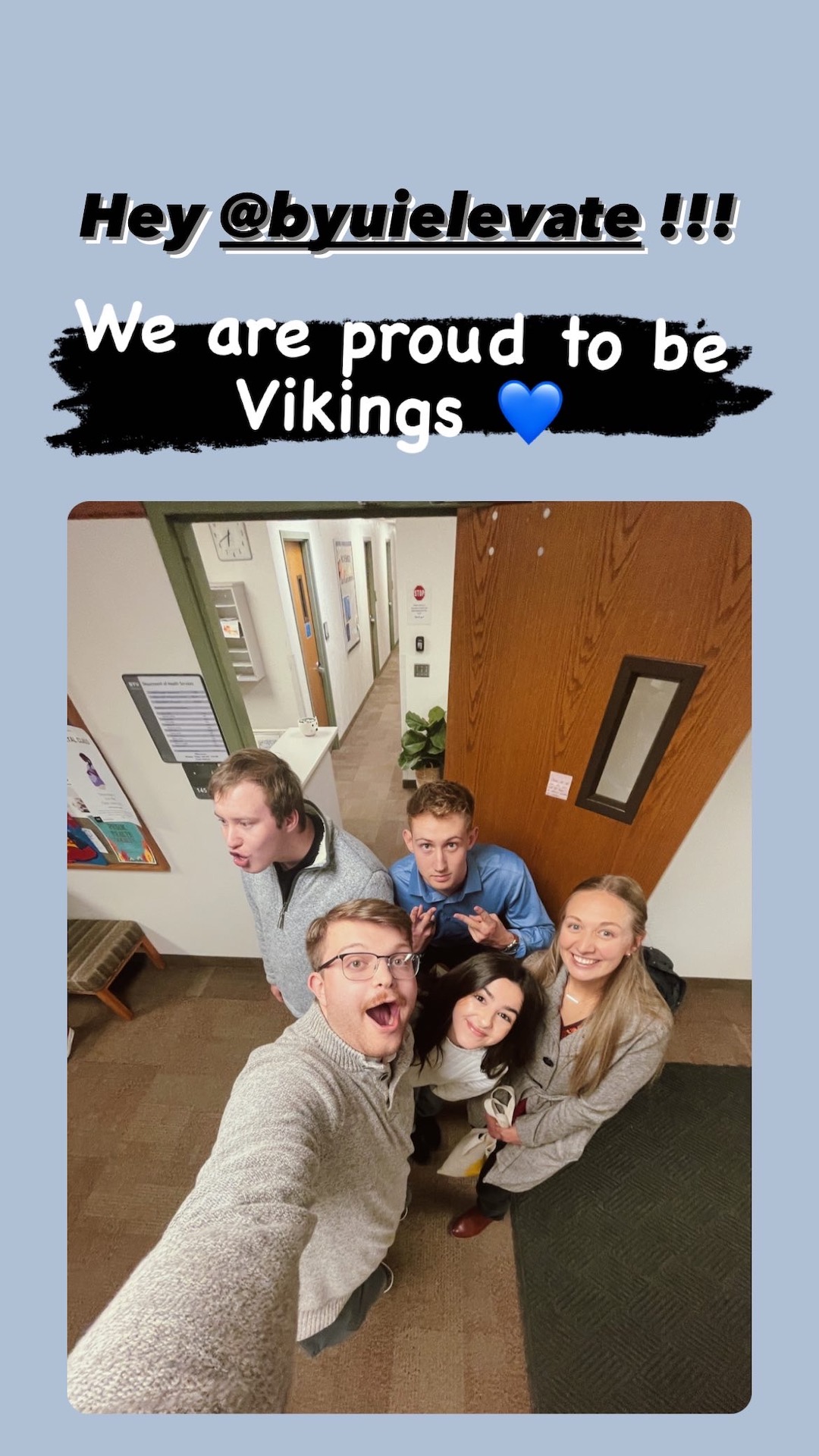
As we competed in the Elevate competition, our group discussed the concept of unity and connection. Why are students at BYU-Idaho so disconnected? What makes this university so different than others? My group studied the difference between BYU- Idaho and Ricks College and noticed the biggest difference – the lack of a mascot. We proposed that BYU- Idaho should reintroduce the Viking Mascot digitally. This will increase school spirit and unity among students, all while spending little to no money and providing networking and internship opportunities for students.
Reintroducing the Viking Mascot, known as Thor, can bring new opportunities to students in the form of design practice, internships, and overall student connection. The Viking Mascot can be implemented in BYU-I social media and merchandise, including but not limited to, the University Store. Hashtags can also be used online to increase school spirit.
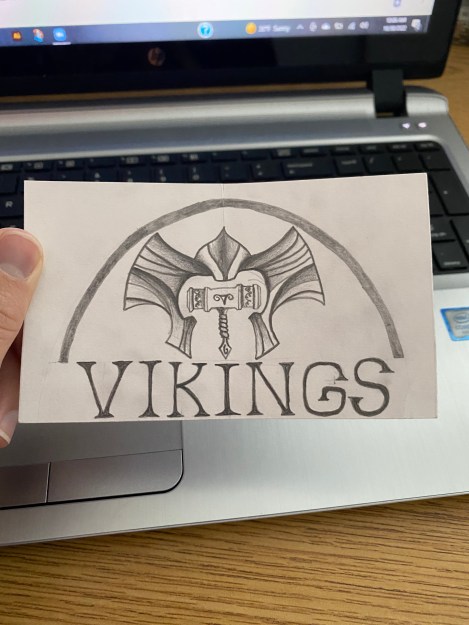
The skills that I used for this Elevate project were my graphic design and writing skills. I wrote the abstract our group submitted as well as formatting the Google Slideshow. I also made the mockup Viking logo, which took a sufficient amount of time. I spent about 12 hours on this project, according to my tracking journal. I felt that my team was really connected and worked hard. Even though we all had busy schedules, we made our Elevate project great!
During the performance, I presented the slides that went over the logo design process. I talked about how the logo will help the school in three ways: internship opportunities, campus involvement through a student logo competition and new merchandise for the university store, bringing in new income and excitement from students.
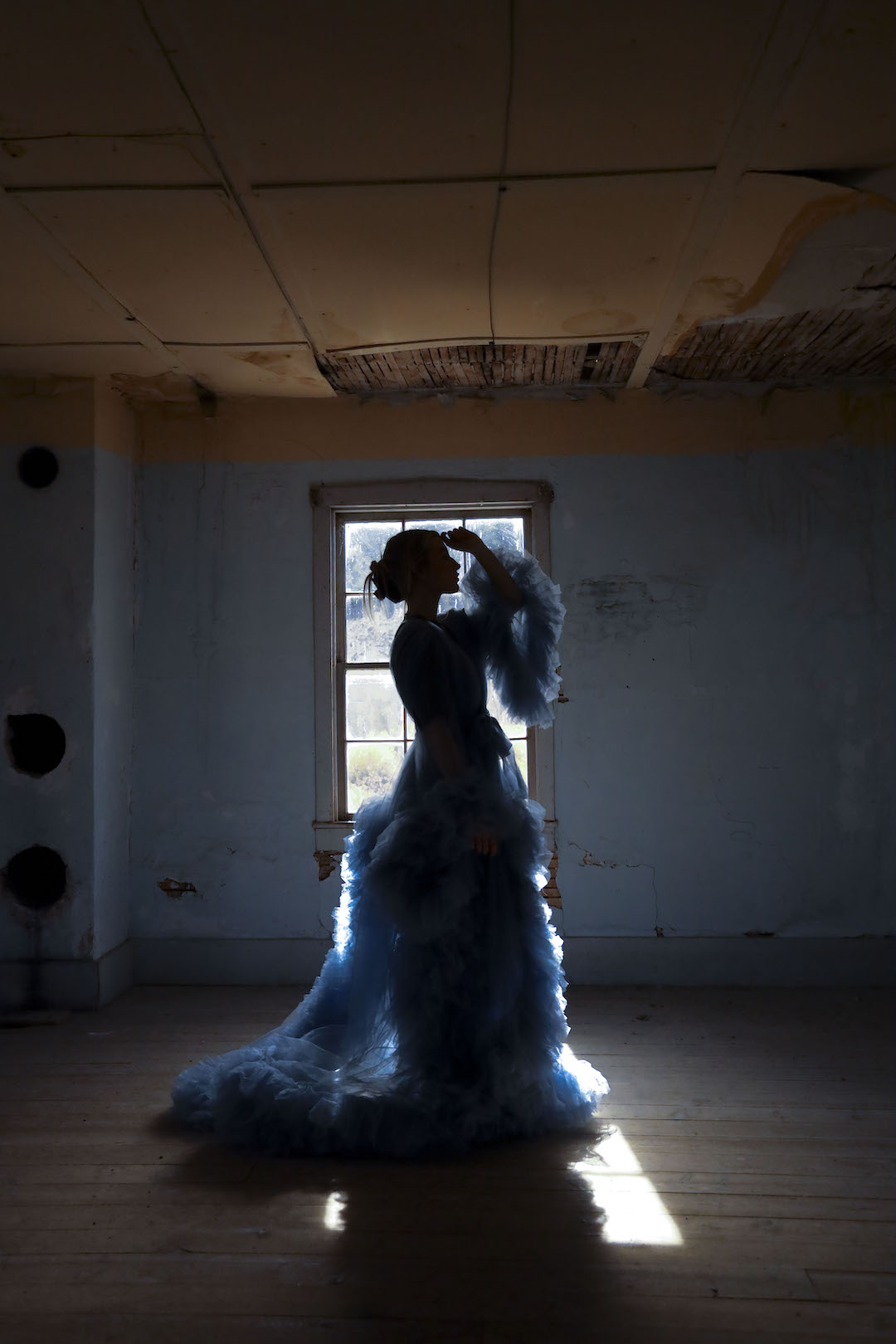
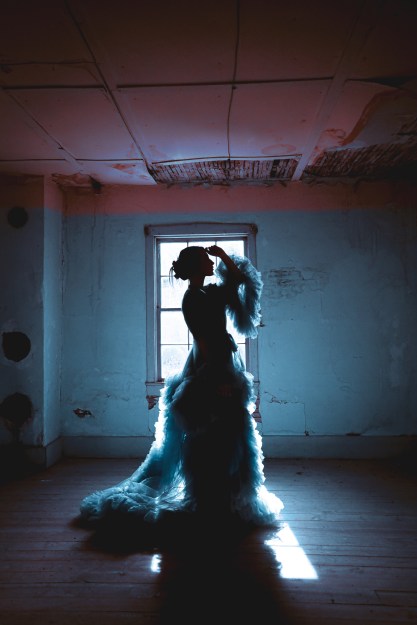
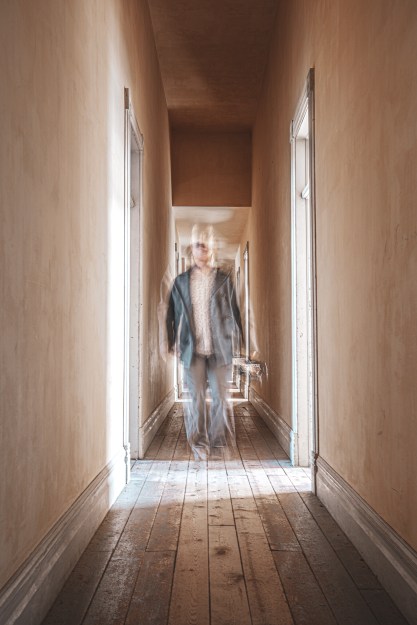
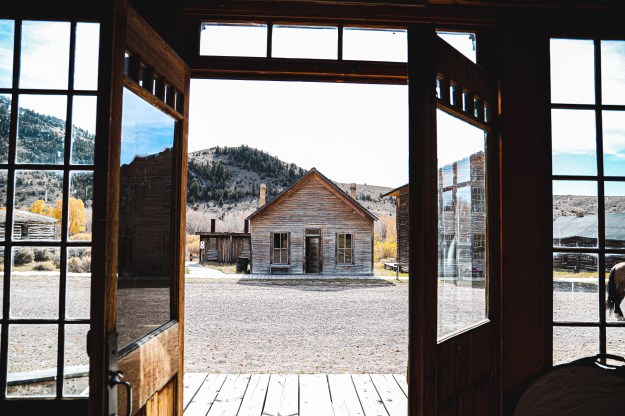
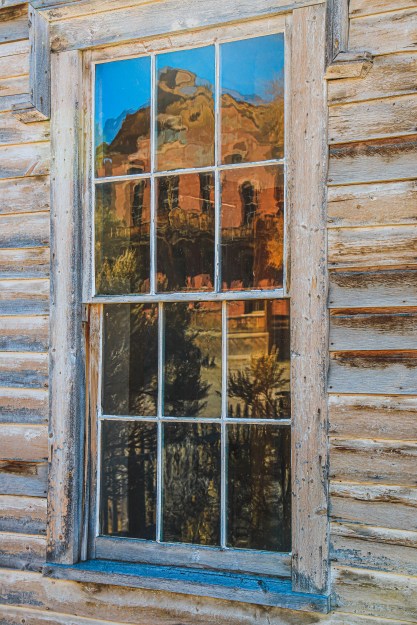
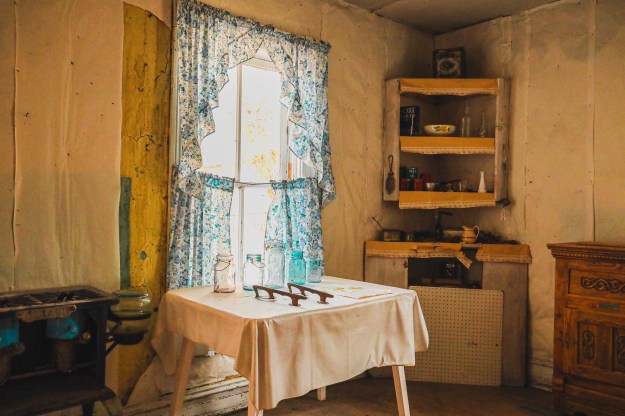
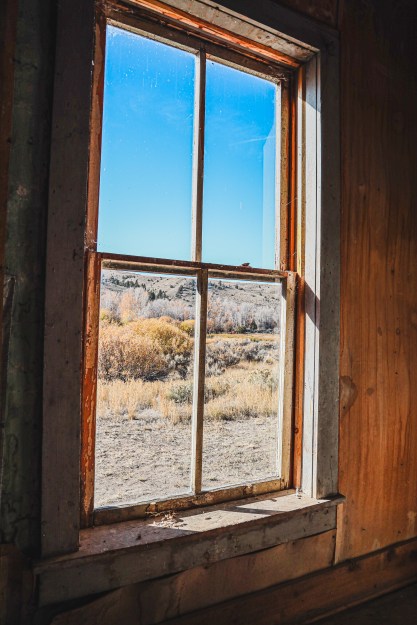
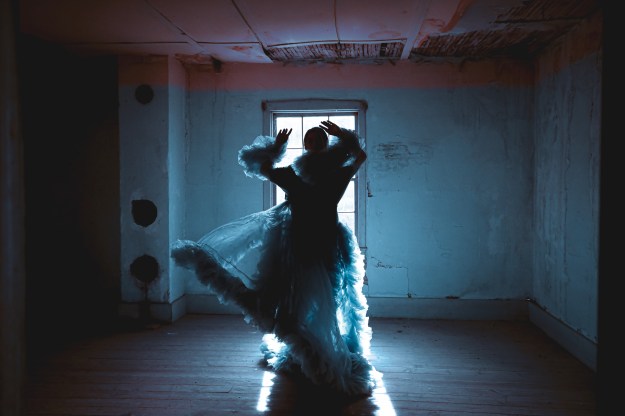
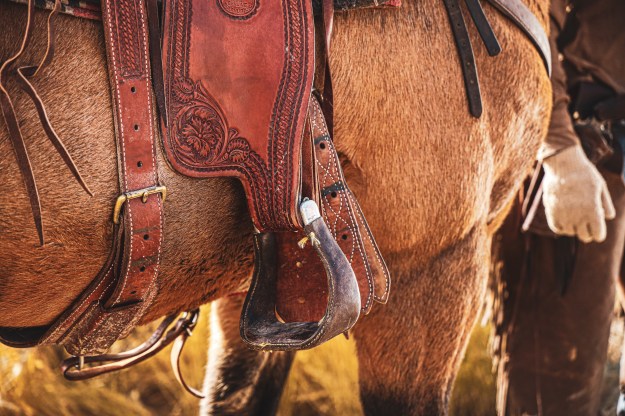
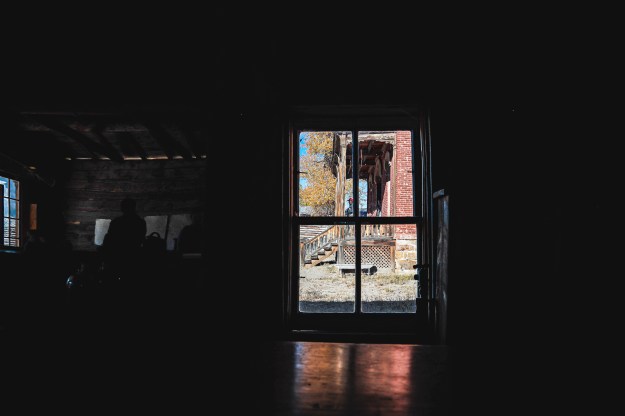
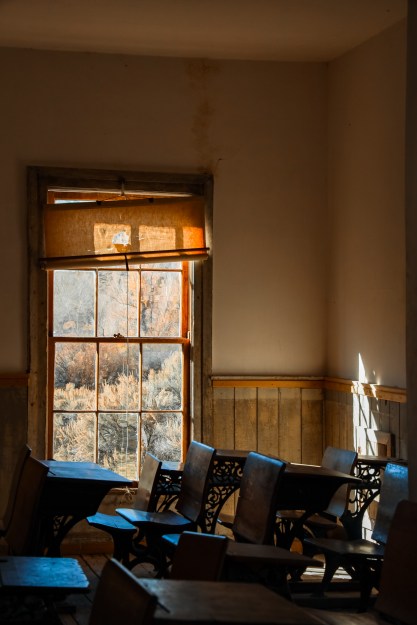
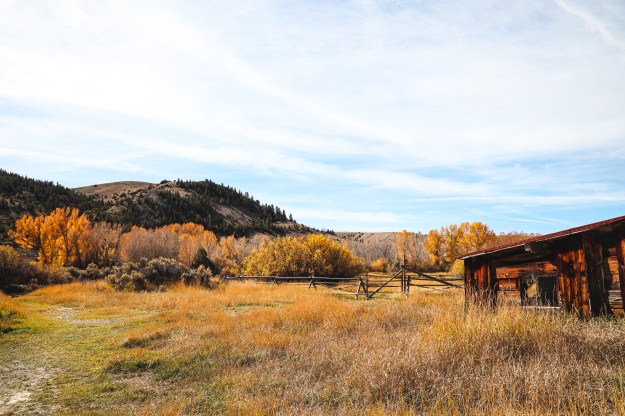
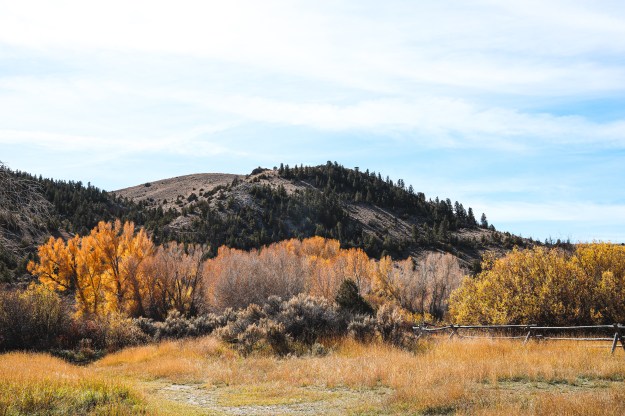
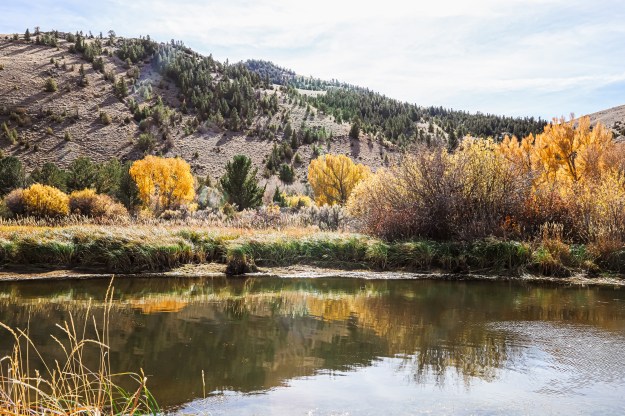
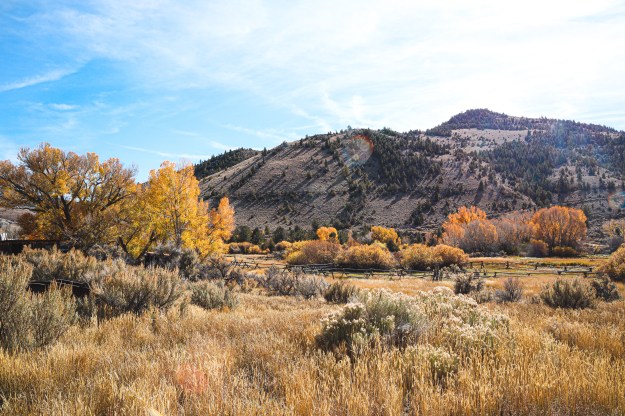
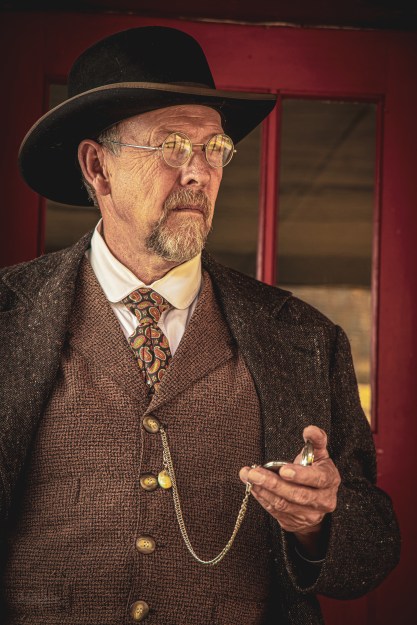
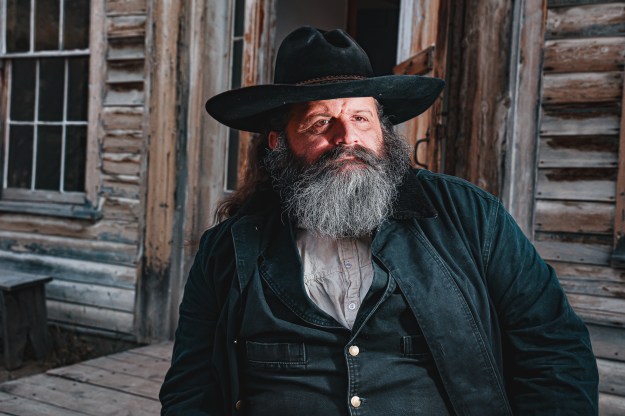
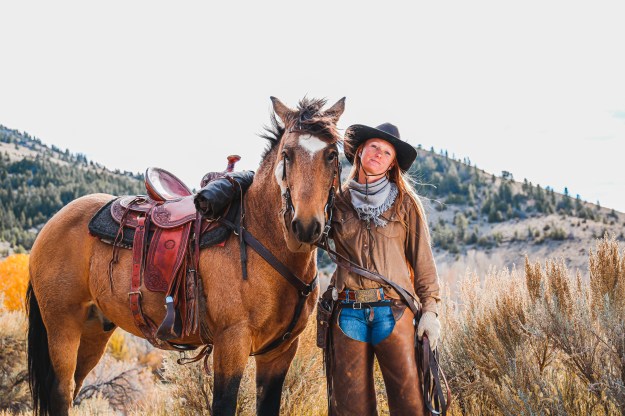
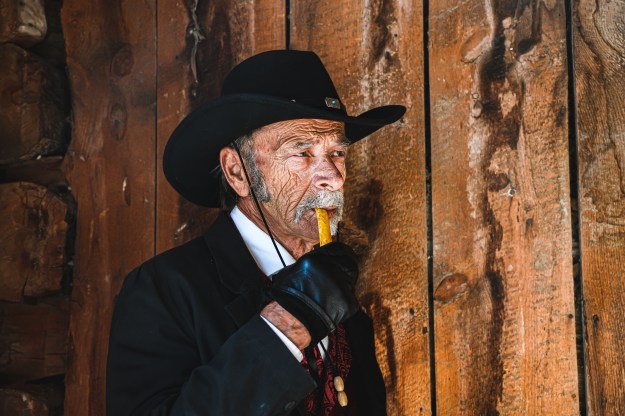
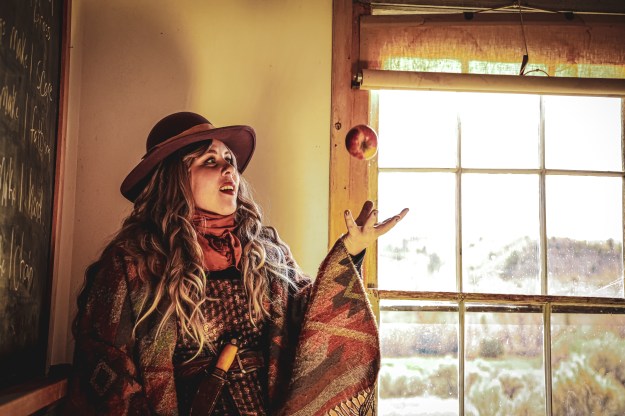
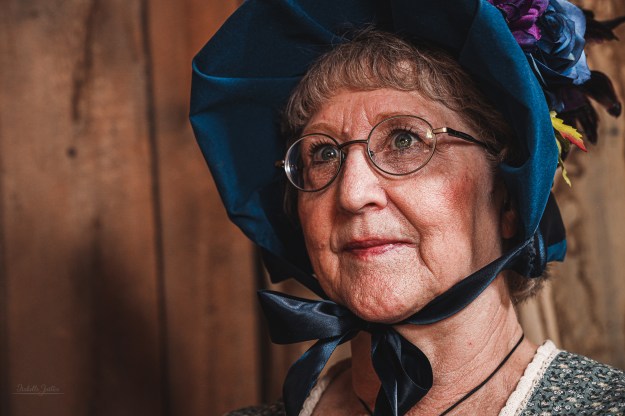
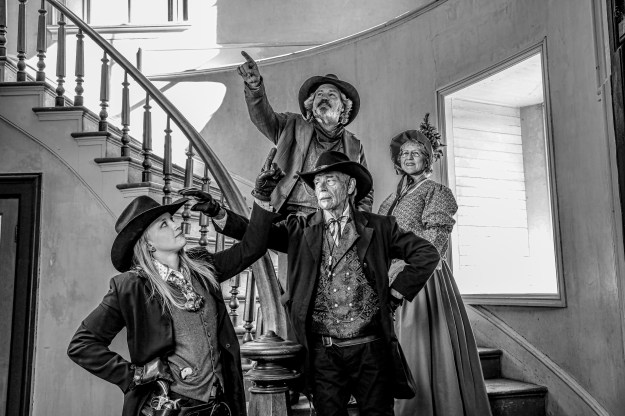
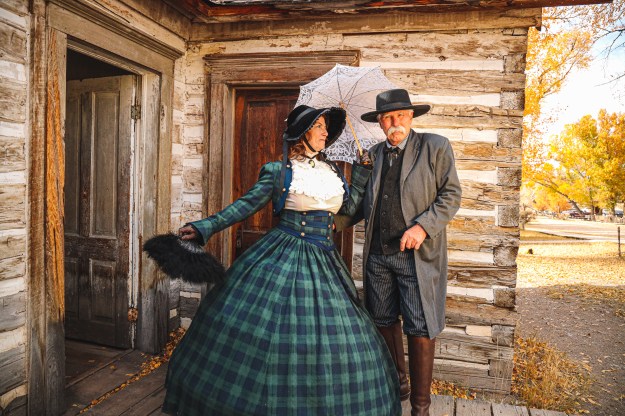
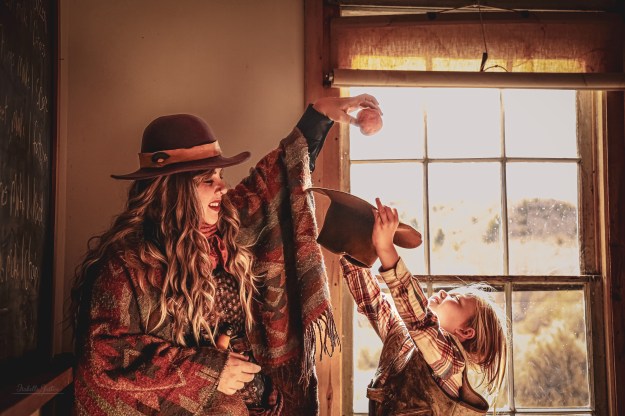
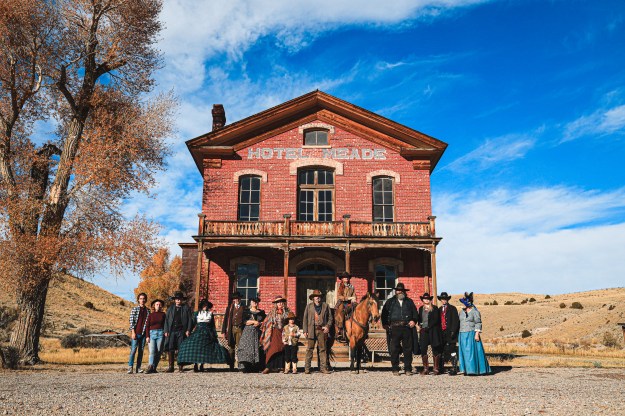
For Caryn Esplin’s Digital Imaging course, we participated in a photo excursion to visit a ghost town in Bannack, Montana.
Even though this town is abandoned, I felt at home because there was so much character to explore. I am so grateful for the visitors who still come and the models who truly bring Bannack back to life.
Fine Art
The first photo in this gallery won a class and a Shoot The Frame award.
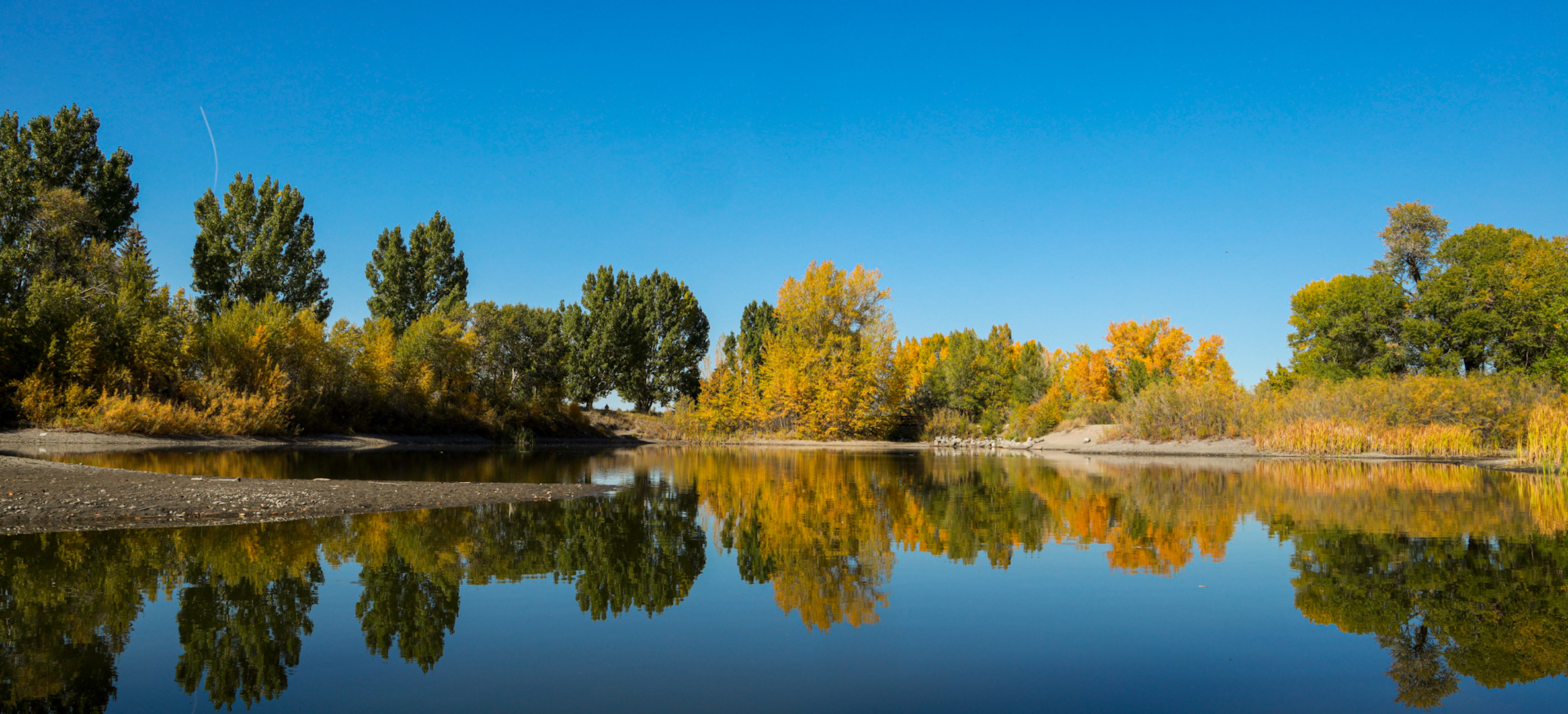
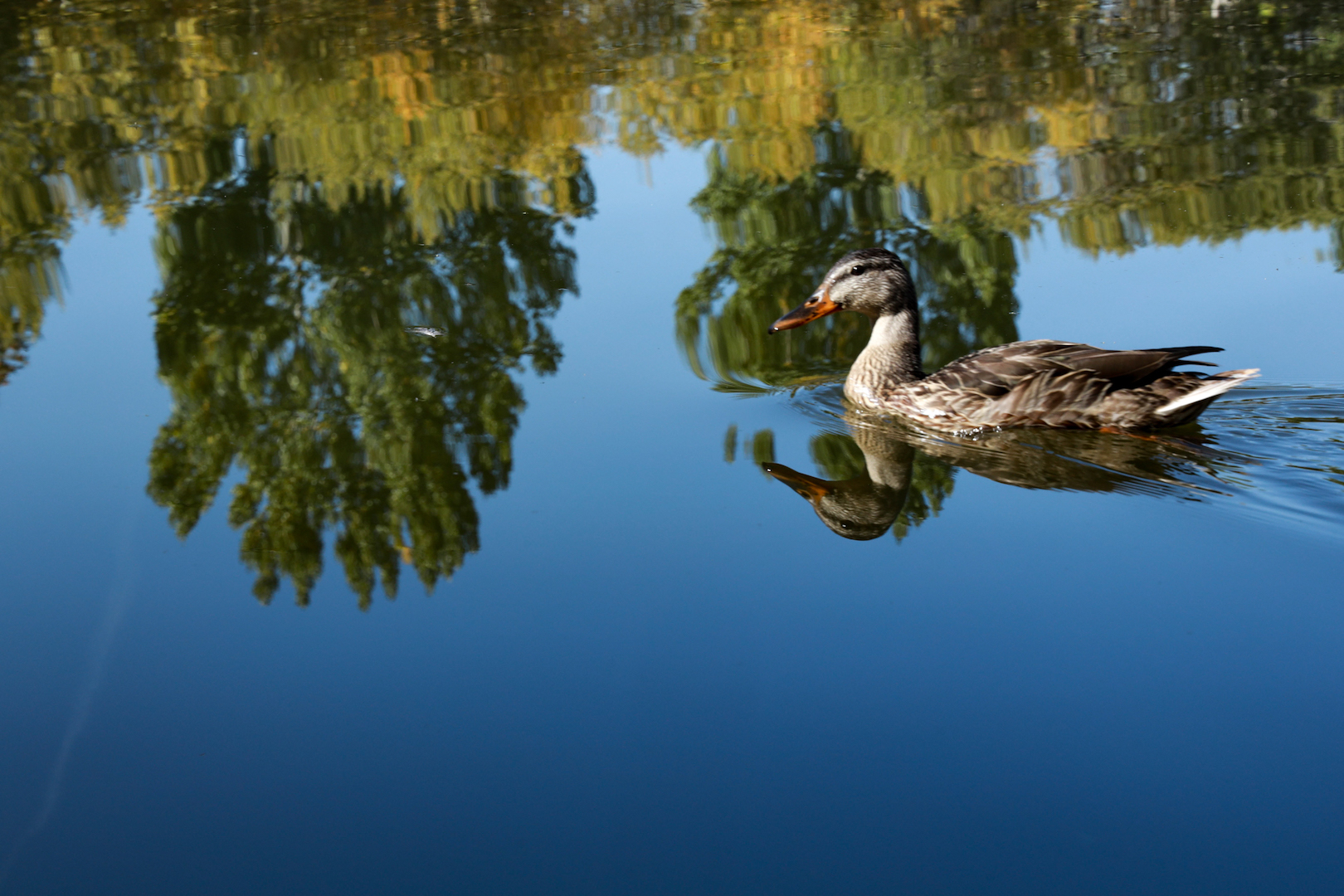
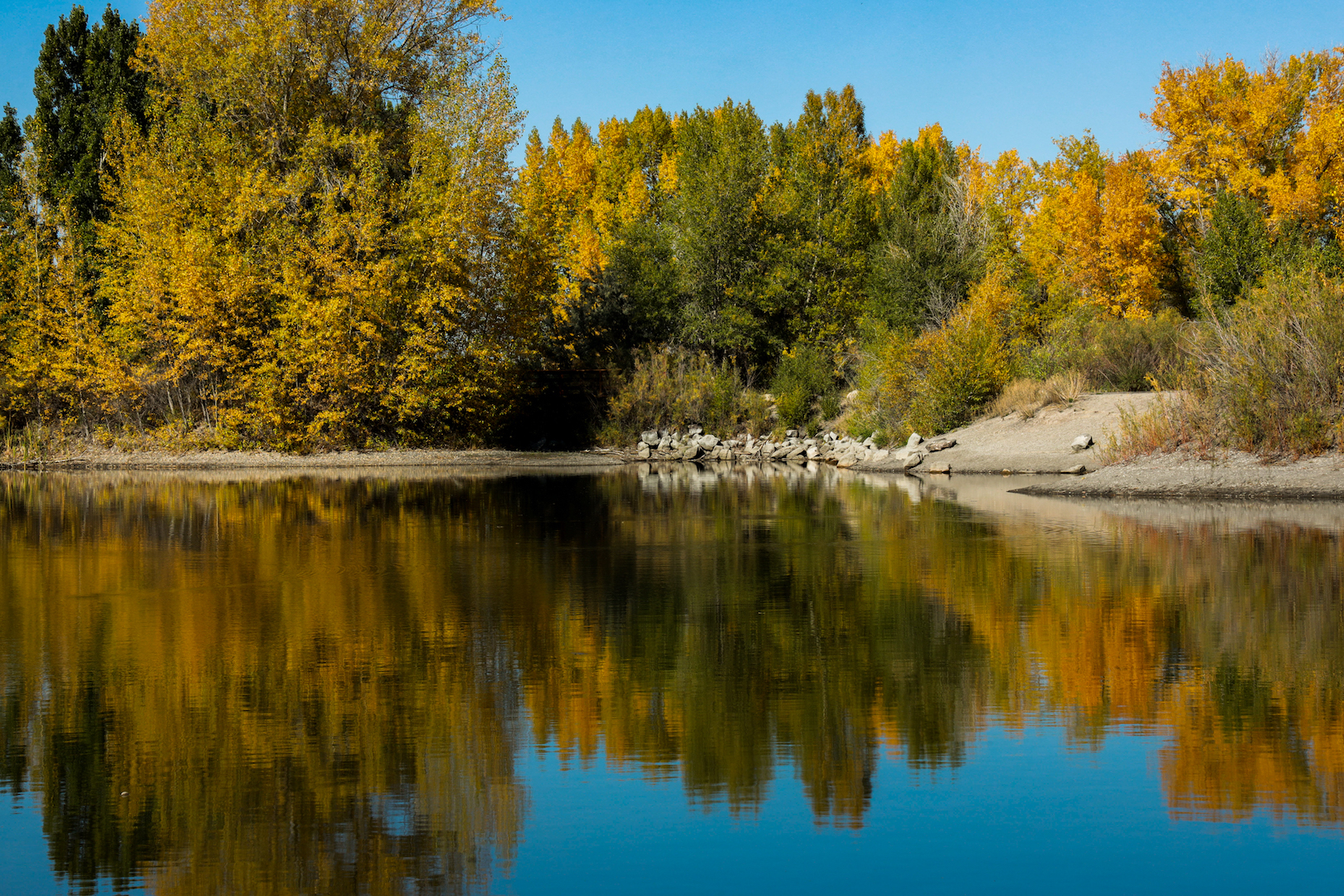
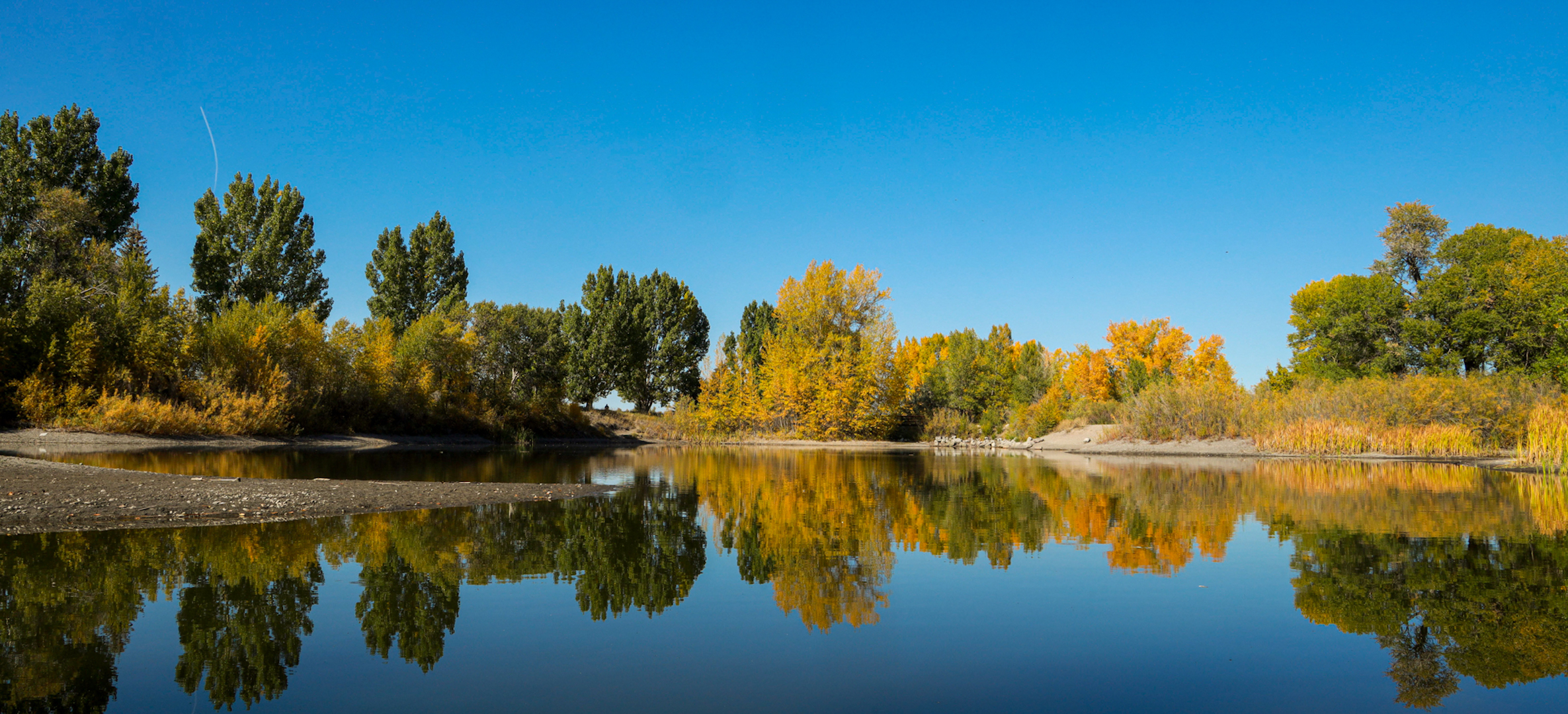
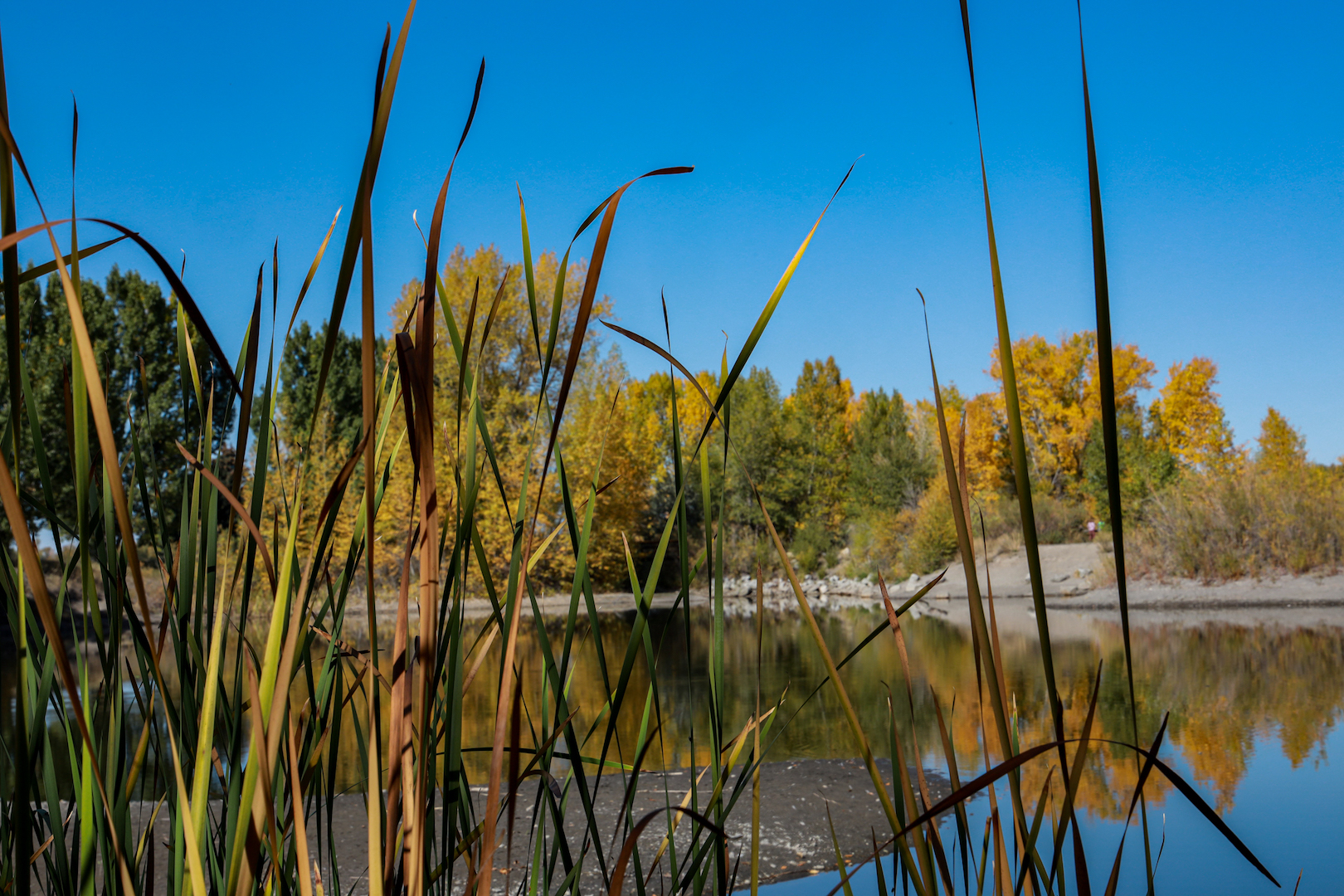
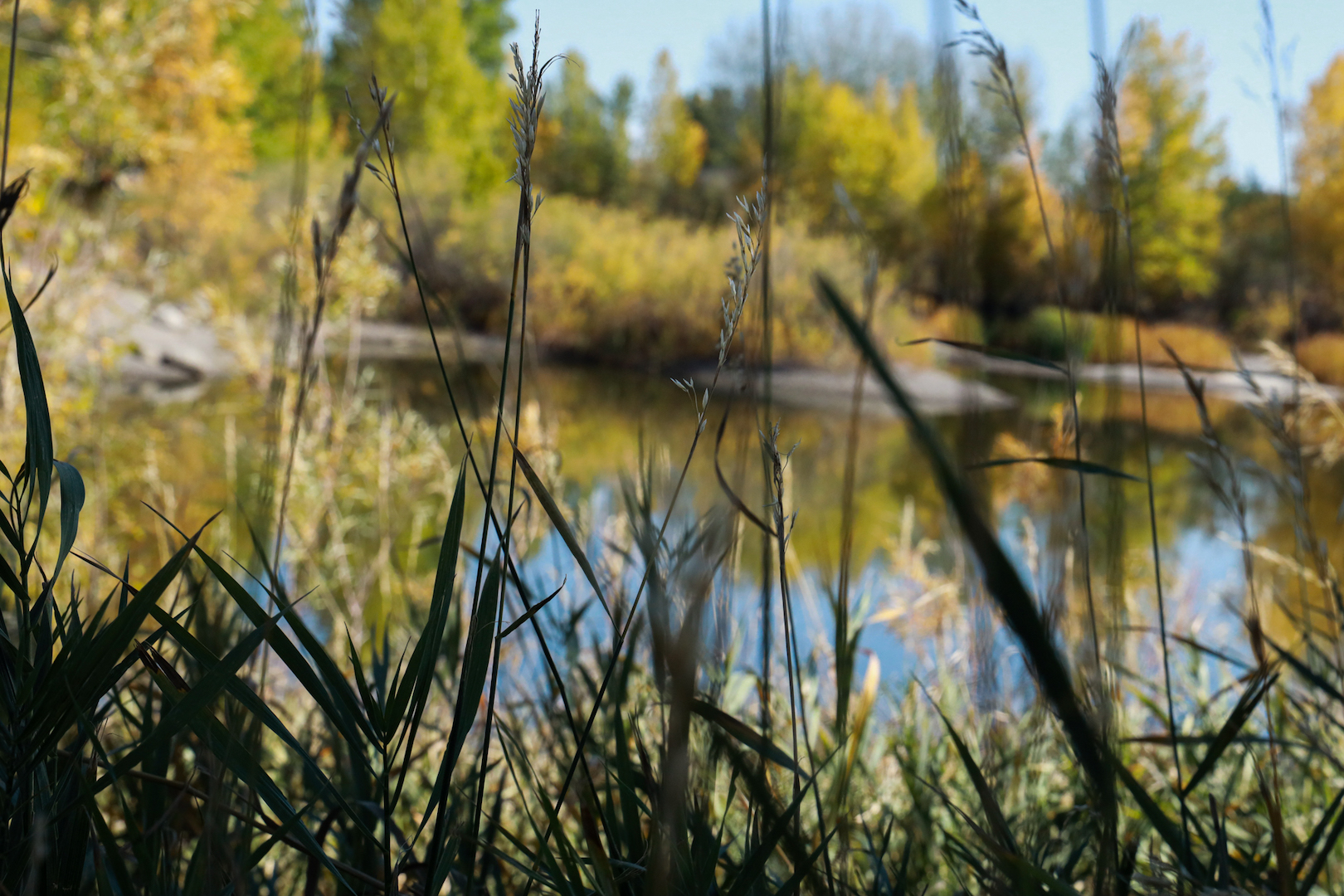
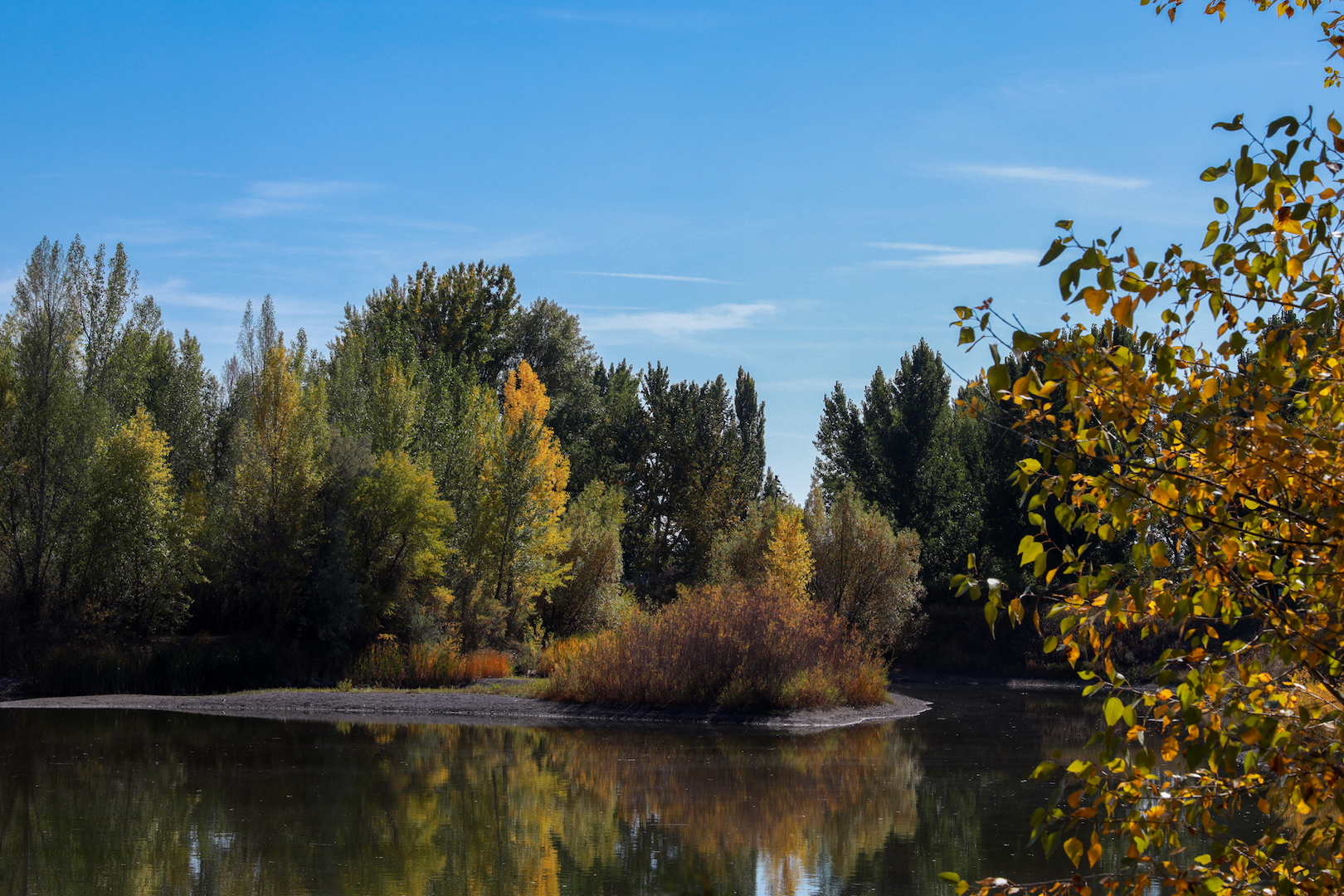
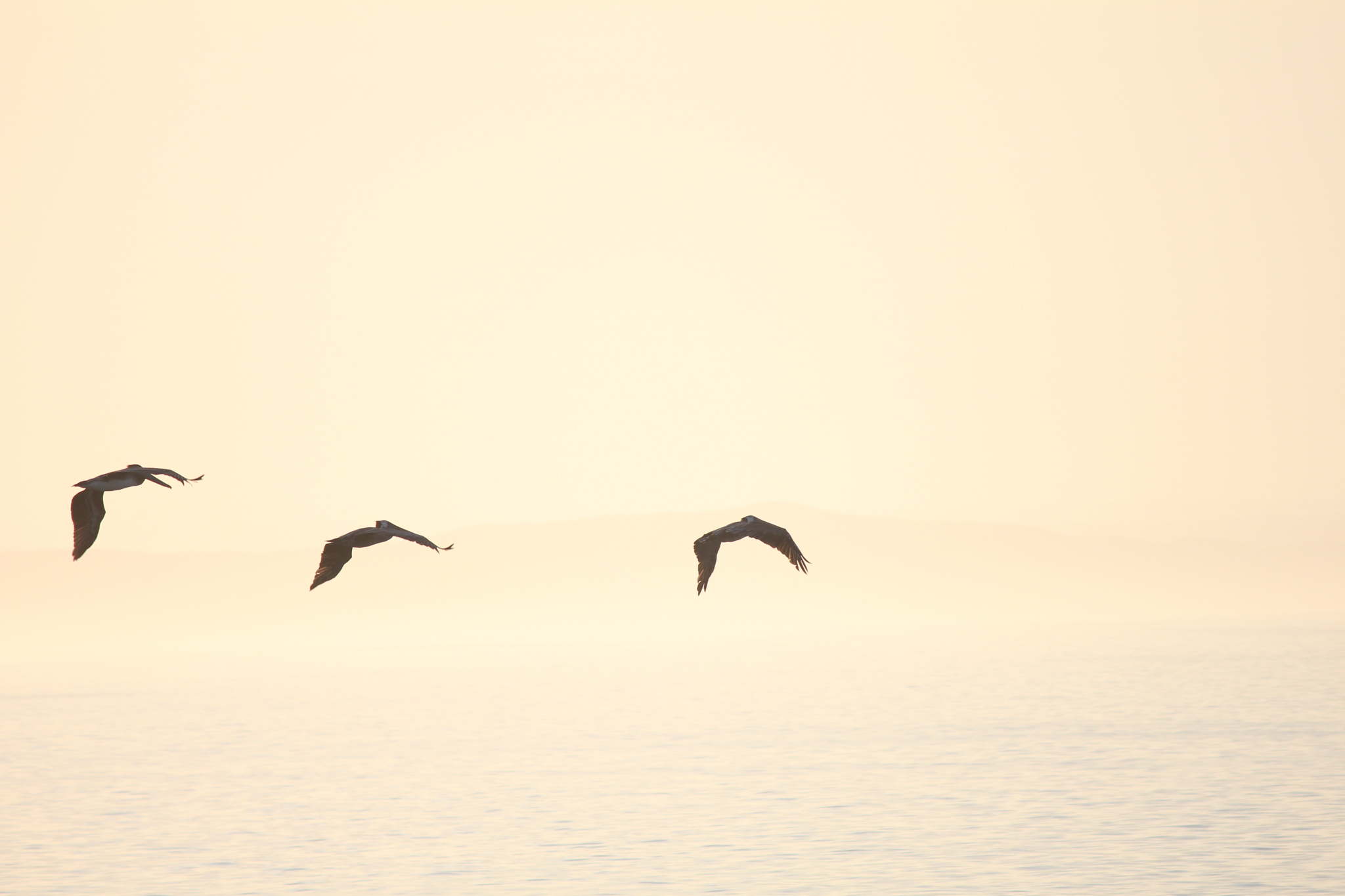
I took nine photos at Nature Park in Rexburg, Idaho. My husband, who is in the Professional Imaging course, was able to give me some helpful tips for landscape and wildlife photography. Nature Park is a place that means a lot to both of us and I am continually in awe of how beautiful Rexburg can be when you take the time to look a little closer.
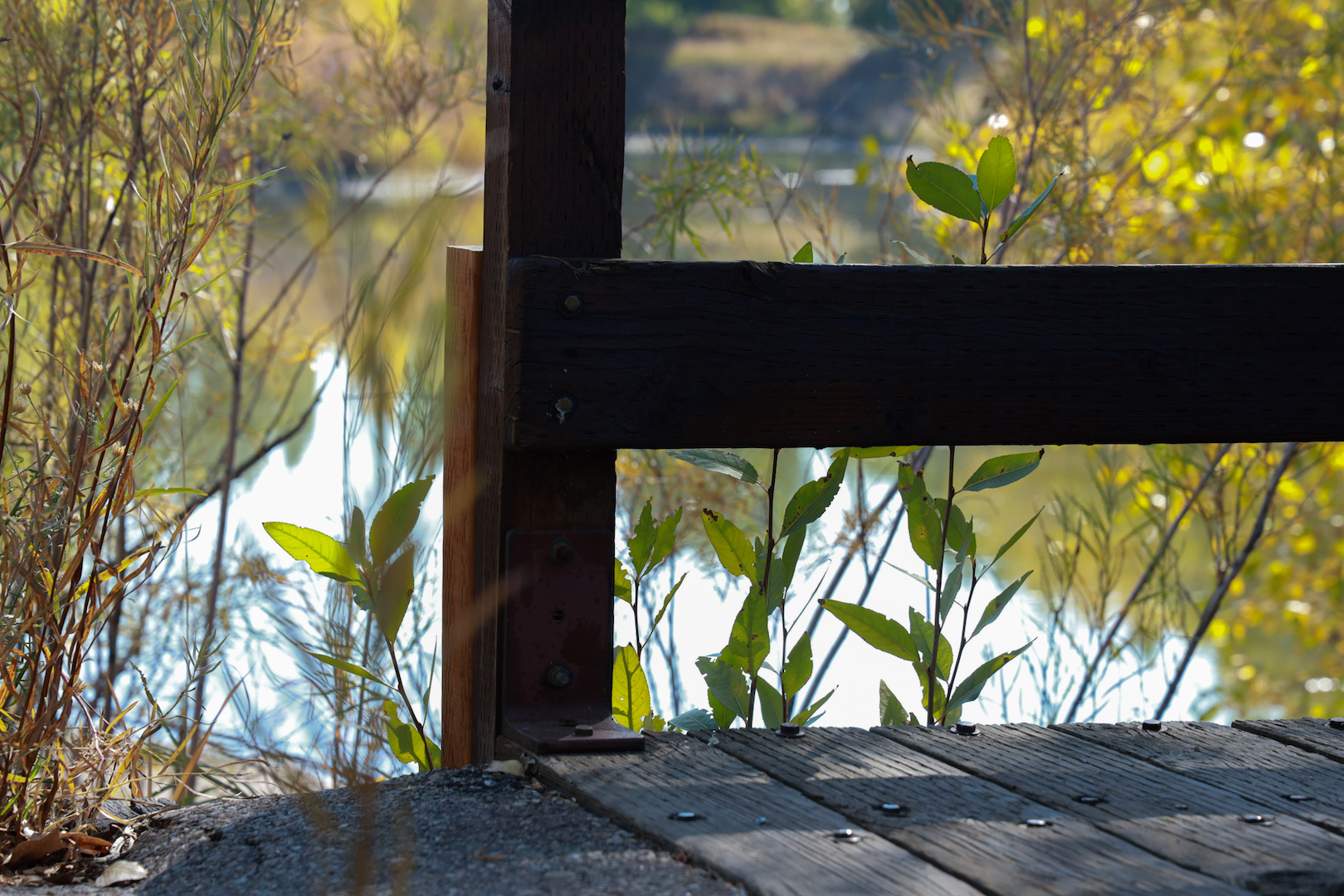
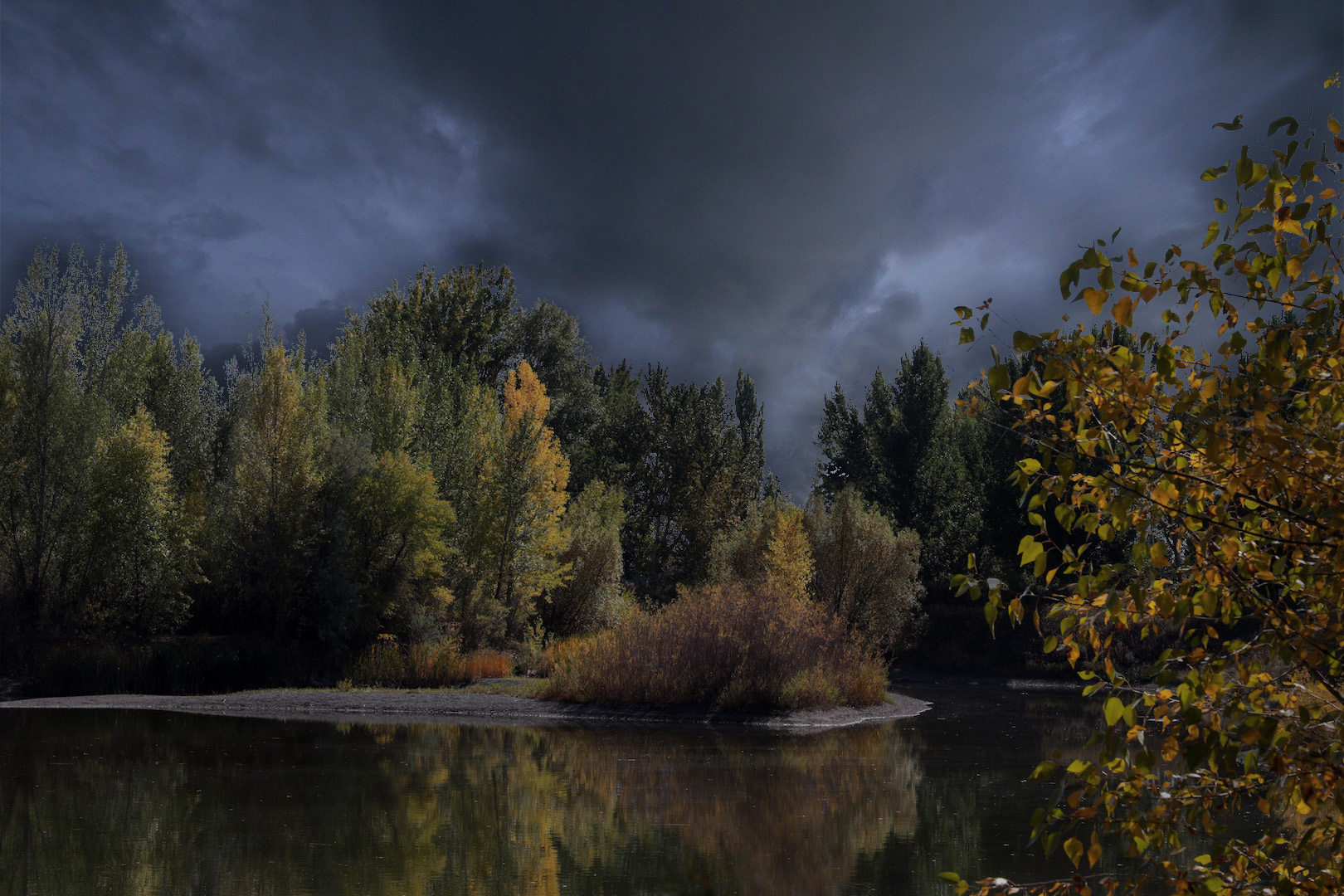
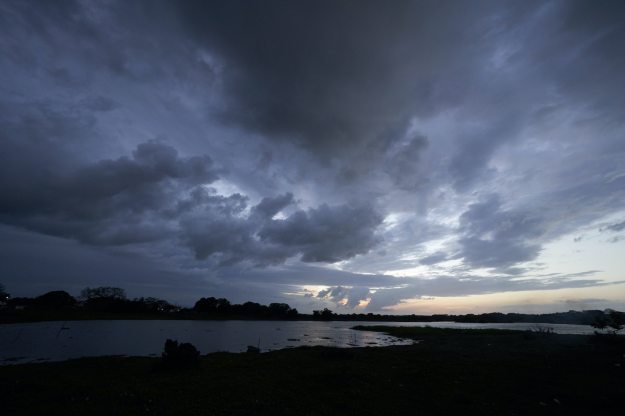
The subject (or constant) in these photos is the same body of water. To humanize the landscape, I photographed the bridge (photo 6) and my texture blend was where I completed a mask with dark clouds (photo 9). The biggest challenge for the added texture was to hide any light edges. I used the clone stamp in the water to remove any blue skies and desaturated the image. I was impressed with how well Photoshop could mask the tiny leaves on its own, but it was hard to make the image not look photoshopped. I think I did a good job as a beginner!
In fact, that is what this assignment taught me: to look a little closer. I crouched down and looked through bushes, bridges, and water reflections as if I was going to create an art piece. I realized that photography in itself is a form of art because it is a way to share a new perspective. I think this assignment taught me just how much I love landscape and wildlife photography. The perfectionist in me doesn’t love all of these pictures, but I think they are an important document of how my skills are progressing.
Above are the before and after of my photoshop processing, as well as the free image I used from Unsplash.com.
I am extremely proud of this image! I found this collapsed rose in the gardens of the Smith Amphitheater on campus. The way it was dramatically placed by nature itself became my perfect shot.
I took some great editing advice from my professor who advised me to crop the image and create my focus on the sharpened part of the rose. I also liked the way I edited this picture and I think the post-production really made this image unique.
The Fallen Rose: 09/28/22, 3:45 pm at the Smith Amphitheater, ISO: 400, Aperture: f/5, Exposure: 1/100 seconds, Focal Length: 85 mm, Camera: Canon EOS R – Handheld, Aperture Priority
This is my very first photography project where I understood how to use the manual options of a camera, such as shutter speed and ISO.
I have never done light painting before, and this was something that I always wanted to try. I had a lot of fun setting up the scenes for my projects, and learned just how much fun photography can be when you have someone to help you.
In a beautiful garden I have this bit of serenity The imminent feeling of being completely alone While being close to so many
The rush of water Chimes of tangled branches Shadows that balance a summer’s light A ladybug that dances She is paused Preparing for flight
I remember so peacefully This feeling brings the wool around my heart That feeling is known as comfort Knowing I am in a world Where nature is the music My own, hidden covert They will always sing It rings so conferring To those who have the ears to hear it
Maybe that is it – we are our own These hidden and beautiful worlds Only few people really know And every time a person comes to visit To walk amongst these complex forests They appreciate the beauty, the exquisite And notice all those who walked these woods before
What did they leave behind?
And what did you fail to take out?
It does not matter Nonetheless, it stays A beautiful garden remains
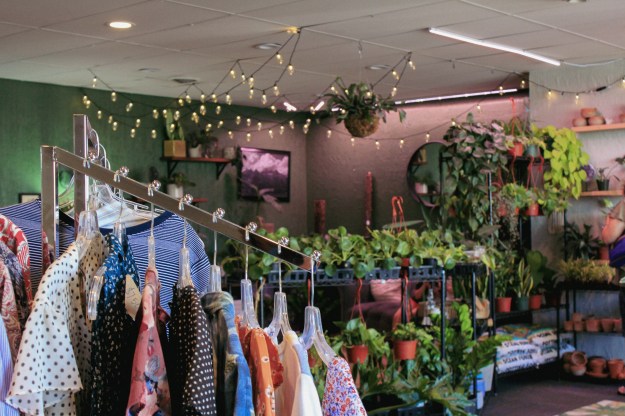
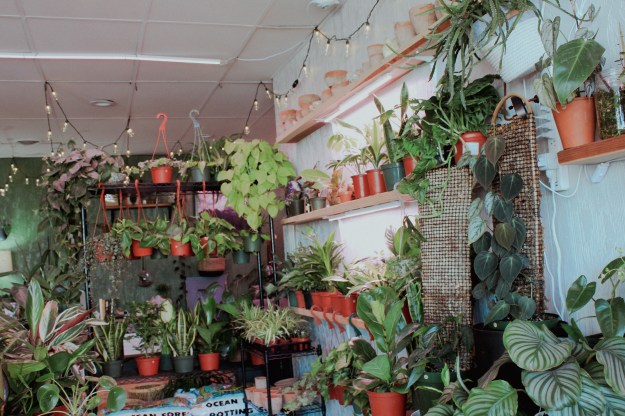
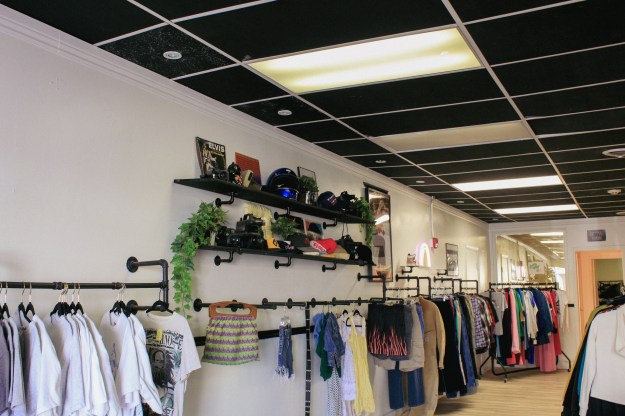
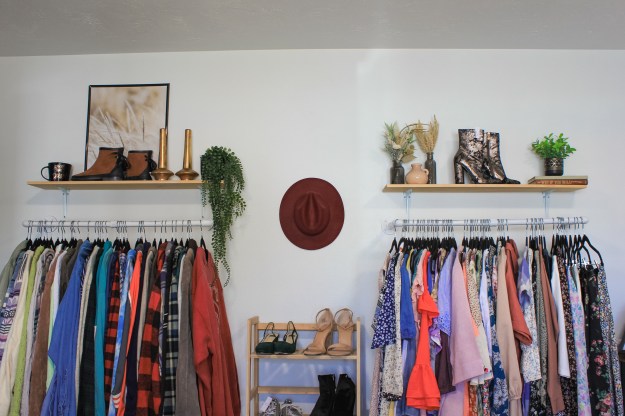
I took these photos in the summer at a few new stores that came to Rexburg. One is a beauty store (Golden Beauty Co.), another was a thrift/plant store (Daisy Links), and the last one was another thrift store (Thrifted Lennons).
This article was written for BYU-I’s news organization, Scroll.
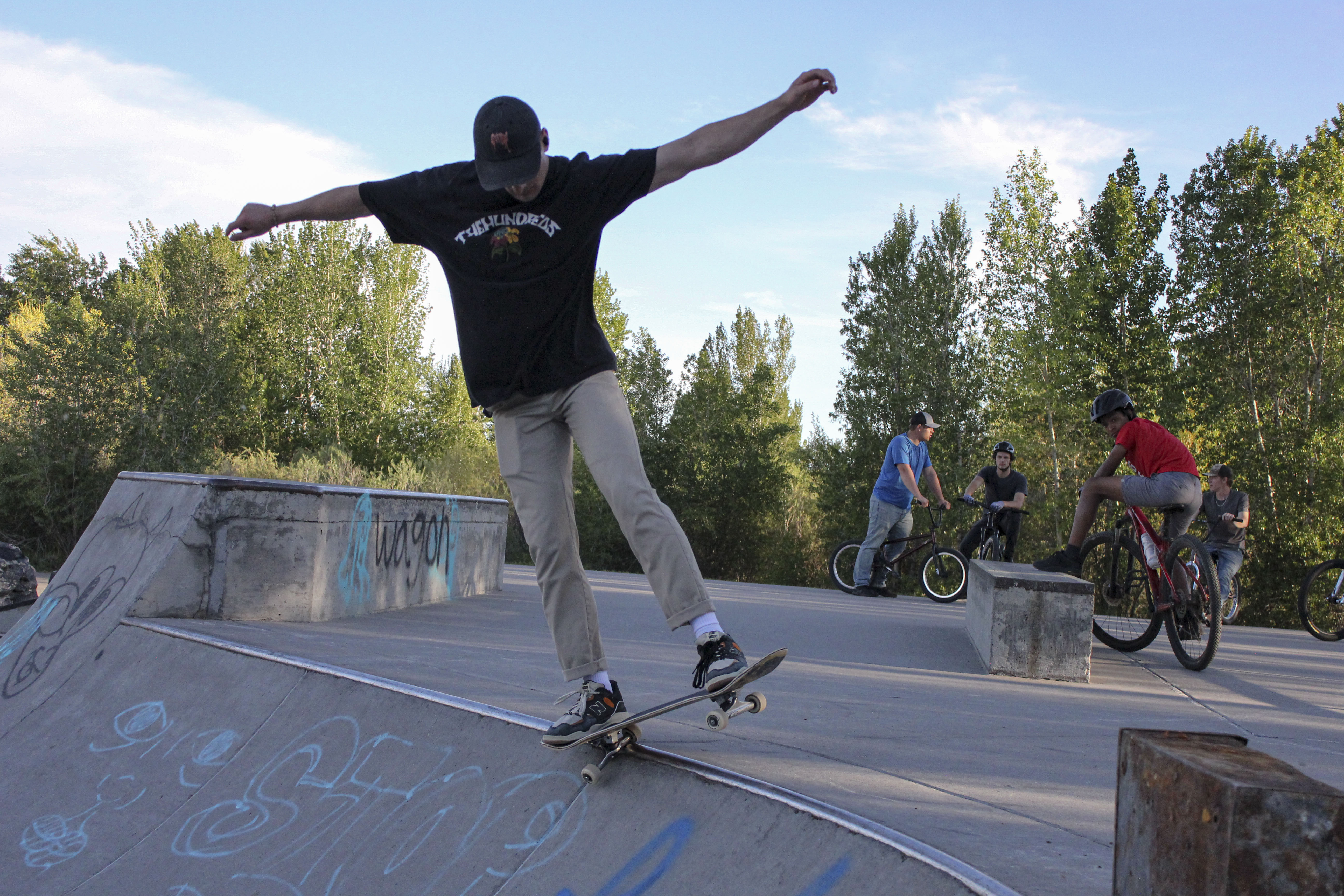
From baggy jeans to checkered Vans, skateboarding culture remains similar worldwide. But nestled in the small town of Rexburg, the atmosphere at the skatepark is a little different than normal, thanks to a strong religious influence and college-town atmosphere.
Mason Clark, a junior studying communication, is one student who lives to skate. Clark spends his free time making skateboarding videos and found it to be his passion.
“I love the skate scene in Rexburg because I feel like I am surrounded by a lot of people I go to school with,” Clark said. “I like that because we all have common ground … no matter how old you are or what level of skateboarding you are in, we can all connect.”
Rexburg’s skate culture runs strong, according to Clark.
“There’s definitely a culture at the skatepark, just like any anywhere,” Clark explained. “Everybody is automatically friends.”
Kalani Azabache, a student studying communication, is also a skater in the Rexburg area.
“I love the skate scene in Rexburg because we are all part of the same team despite our differences,” Azabache said. “There are a lot of young high school kids that come skate with us and it’s fun to hang out with them because they are learning.”
Azabache, otherwise known as “the man that falls the most”, loves the encouraging atmosphere at the park.
“Even when I take the gnarliest slams, everyone still motivates and encourages me to get back up,” Azabache said. “When I do land, everyone is super excited. It’s such a fun time to skate in Rexburg, everyone is like your family there.”
However, nothing comes perfect. Clark and Azabache shed some light on improvements that could be made to the Rexburg skatepark.
“I’ll be completely honest, I love the skatepark at Rexburg, but it’s definitely not made by professionals,” Clark said. “There are a lot of cracks everywhere — I feel like it’s made poorly.”
With chipped concrete and awkward placement, the park is not easy to skate.
“I love skating there with all my heart, but there are a couple of things they could get better,” Azabache said. “The transitions of the park are not the best, I wish it had a better flow to it. I feel like it appeals more to … the regular stance. For us goofy footers, we have to adapt to it.”
Despite its cracks and bumpy transitions, the skatepark holds a special place for Rexburg locals and BYU-Idaho college students.
“I still love the park,” Azabache said. “I’ll still skate there whenever I can.”
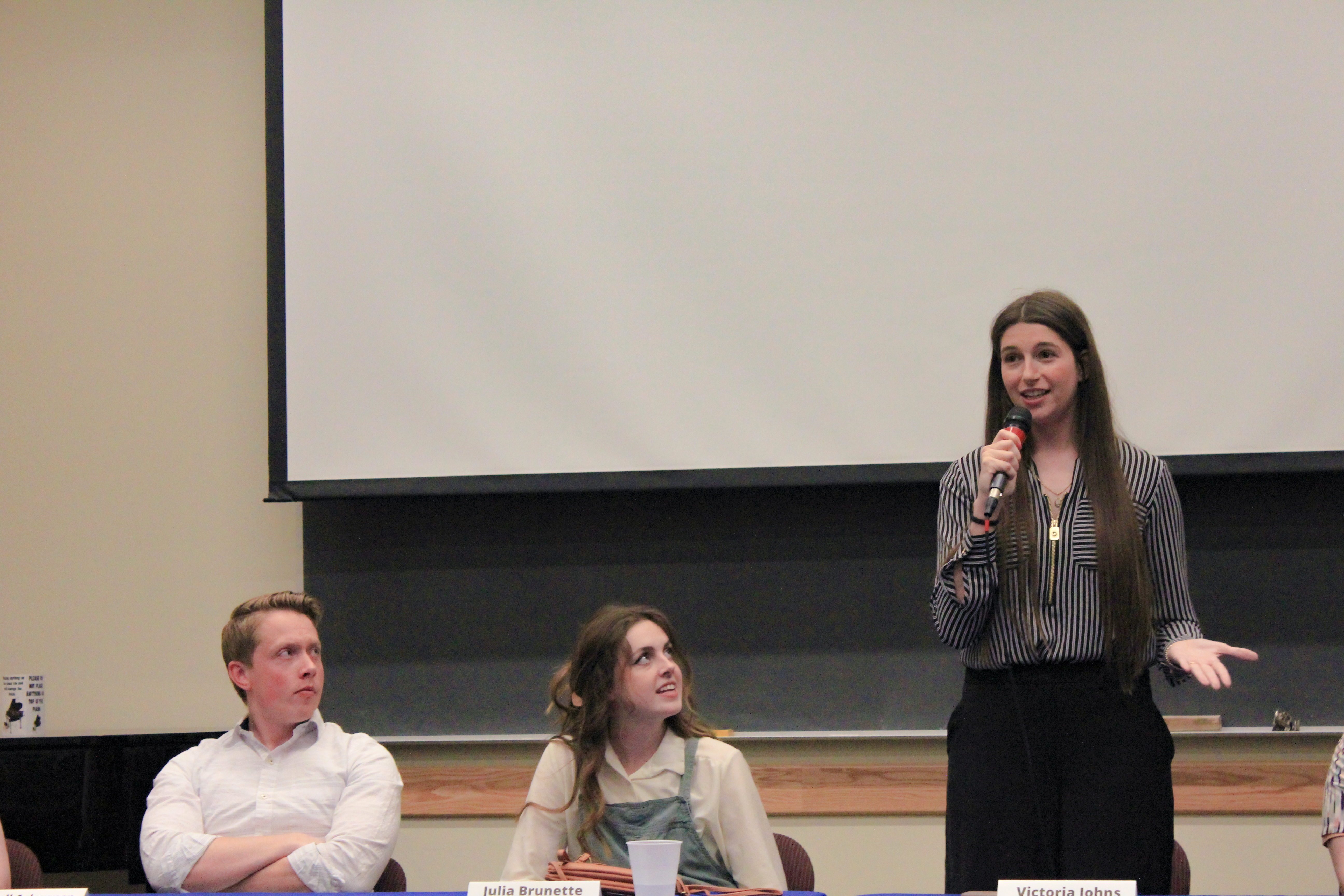
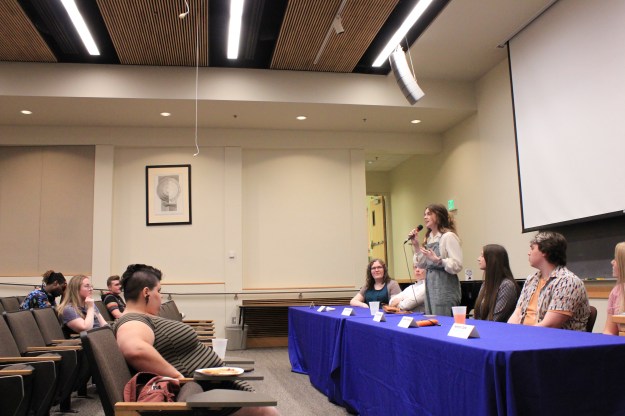
As the end of a college career is just within fingertips, nine BYU-Idaho seniors studying communication dedicated a portion of their evening to mentor inquisitive students. Free pizza and drinks were served in the basement room 35 at the Jacob Spori Building on Thursday, June 9.
Here are four things you missed from the communication department’s senior panel that can apply to all majors.
What’s the best way to set yourself apart from others?
Debroah Ownes said that making lasting and productive relationships with your professors is what will get you far. Owens explained that it is more important to put your differences aside and to receive critiques on your work.
Another senior added that one way she motivates herself is by creating a “to-do” list filled with little accomplishments. When something small gets done, she can build her confidence and work ethic piece by piece.
One senior, who has a video production emphasis, encouraged communication students to put their work online even if they do not feel confident in it. He explained that it is still an additional project that will show your growth, and someone may love your work and even use it.
Victoria shared her experiences with TikTok and the viral videos she received when she just put herself out there. She cautioned that within vulnerability, there is bullying, especially online. However, if we never put ourselves out there, we will never grow.
How did you know what emphasis to choose?
One senior shared that video production is something that he loves, but he was concerned about finances. After spiritual and academic reflection, he decided that it was better to do what he loves.
That passion has driven him to new and creative outlets. He said that if you continually strive to live the gospel and pay tithing, within the means of Heaven, the Lord will help you achieve the life you desire.
How did you know what emphasis to choose?
Owens shared to increase your chances of getting a leadership position would be to be a leader when no one is looking. Whether it’s staying after classes to ask questions, helping others with their work, doing the extra project, or developing beneficial relationships with your professors, you need to find ways that set you apart.
Matt elaborated on this concept and encouraged the students to ask themselves, “What sets you apart? What value can you add?”
The seniors collectively agreed that after graduation, people don’t care about the details of your degree – they just care you got one. Although having the physical Diploma is a reward, other factors must set you apart.
Ask yourself: What are your portfolio pieces? How are your people skills? What leadership experiences do you have to offer?
Last words of advice
As conversations came to a close and the evening grew darker, the communication seniors left us with some powerful words of advice and shared 3 golden qualities that create a successful individual.
First, someone that produces quality work. When people get to the top or a leadership position, it is usually reflected in their work.
Second, someone that is easy to work with. Other times, people will get to the top because of their charm and charisma.
Finally, someone that manages time efficiently. This means being on time, staying after and going the extra mile.
The seniors clarified that only two are needed to be successful, but all three are what will make you powerful. Communication students were also encouraged to take their time in school in order to produce better portfolio content.
Finally, they shared that it is okay to be selfish, as this is a selfish time in life. Burnette elaborated that as Latter-day Saints, this is an unpopular thought process, however, it is necessary when juggling projects, classes, internships, and the upcoming career world.
A lot of work and thought went into interviewing the students and choosing the direction of my story. As someone with serious hearing loss, deaf representation is a topic I am passionate about. I am happy I was able to shine a light on what deaf culture in eastern Idaho is like.
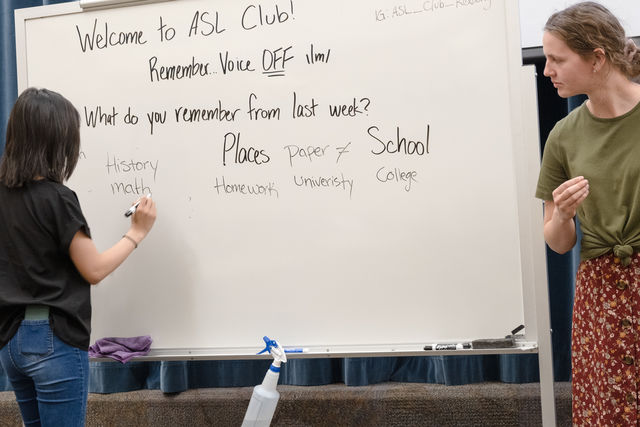
A vibrant silence fills room 286 in the Gordon B. Hinkley building on Tuesday evenings. The numbers are small, but the deaf and hard of hearing student body at BYU-Idaho is a welcoming group, proving that ASL culture runs beyond just the number of deaf students.
Jadyn Townsend, a student studying graphic design, is a part of the deaf community here on campus. Townsend is teaching the ASL workshop this semester, alongside hearing students Katie Stubbs and Kendal Murray.
Townsend shared her experience growing up in the small vacation town of Coeur D’Alene, Idaho, where there was little deaf representation.
“I always have been by myself ever since I was little,” Townsend said. “Back in my hometown, there are no deaf people, so I was mostly isolated all the time until I decided to go to BYU-I. I thought I would be an outcast again — just myself.”
Townsend said that even though she was used to the isolation, she has been able to find her place here in Rexburg.
“There’s not a lot of deaf students here, but I made friends with them and we hang out outside of school,” Townsend said. “It’s nice to have a community, even if it is small, and to see other hearing students wanting to be involved.”
While Townsend has found her niche, most of Idaho’s deaf culture resides in the city of Boise, said Heidi Smith, the Deaf and Hard of Hearing Services Coordinator at BYU-I. She explained that on campus there are “about five deaf students and 15 to 20 hard of hearing students.”
That is where the ASL workshop, also known as “Talking Hands,” comes into play. With participants of different levels chatting and growing their skills, this kind of immersion gives real-world experiences, said Davin Glenn, a senior studying public health.
“The workshop is focused on voices off, and I think it works really well. I’m glad they’re doing it that way,” Glenn said.
Glenn said that even though he is hard of hearing, he does not speak for the deaf community, only his own experiences.
“Having no ASL classes, that makes a dead zone for opportunities,” Glenn explained. “I think ASL classes would really help because it would bring more awareness about the deaf community, even if it is really small. They would feel a lot more included with the student body.”
Despite a lack of ASL classes offered at BYU-I, Smith encourages students to come to the workshop and communicate with people who are different than them.
“It’s okay to try and communicate,” Smith said. “The deaf students are more than willing to teach them sign. They want to communicate and have friendships just like everyone else. Don’t be shy; if you’re interested in making friends with deaf students, just try.”
Click here to view ASL devotionals and here to see the ASL workshop on Instagram.






























































 Isabelle Justice