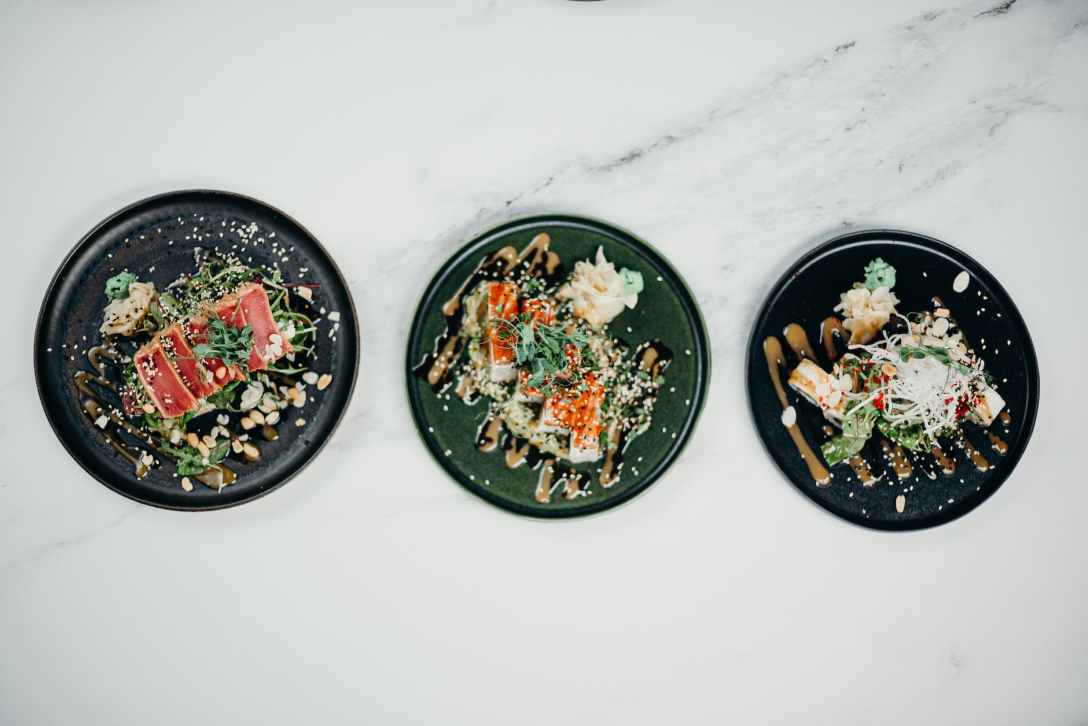
Although originating out of Southeast Asia, sushi has become a staple of Japanese cuisine with options available from cooked rolls to fresh ones. When going to a Japanese restaurant for the first time, it is important to know what kinds of sushi rolls are cooked or raw to save the appetite of a sensitive stomach. Why are some rolls cooked over others and is this an authentic representation of sushi?
The types of sushi that are cooked are items that have eel, shrimp, calamari, octopus, and mackerel, as humans can get sick if these items are served raw. Commonly cooked sushi rolls are shrimp tempura, California rolls, spider rolls, Alaska rolls, and dragon rolls.
We can help you answer any of your sushi-related questions today! To learn a bit about the history of cooked sushi, more details as to why some sushi rolls are cooked or raw, and the best-cooked rolls to choose from, continue reading below.
Why Do People Eat Cooked Sushi Rolls?
While traditional sushi is simply raw fish used with a side of vinegar-induced rice, cooked sushi is still a popular option. Is raw sushi dangerous to eat and are cooked sushi rolls inauthentic sushi?
There are benefits and drawbacks to eating raw fish. For some, raw fish is a great addition to your diet. When you cook fish at a higher temperature, it reduces the amount of omega-3 fatty acids. Raw fish is also free from chemical contamination.
However, cooking fish at high temperatures kills any dangerous bacteria such as Listeria, Vibrio, Clostridium, and Salmonella. Symptoms include nausea, upset stomach, diarrhea, and vomiting. Parasites can also live in fish such as tapeworms, roundworms, and liver flukes. Because of these risks, most pregnant women do not eat raw sushi rolls.
There are always these chances when eating raw sushi. The best way to avoid food-borne illness from raw fish is to either get your fish from a trusted source or not eat raw fish completely. Some people choose the latter for health reasons, cation, or taste preference.
What are the Best Cooked Rolls to Try?
Truthfully, any type of sushi can be cooked. Yes, traditional sushi is used with raw fish, but as times and menus change, rest assured that there will always be plenty of cooked sushi rolls to try at your favorite authentic Japanese restaurant.
According to sushi restaurants Pineapple Grill and Red 8, here is a list of popular cooked sushi rolls to try from. This list is suitable for beginner sushi enthusiasts.
- California Roll
- As the name implies, when first created the California roll was most popular with people from Los Angeles. Inside the roll is avocado, cucumber, and cooked imitation crab.
- Spider Roll
- A spider roll is a safe step away from the California roll, which is avocado, cucumber, and tempura soft-shell crab.
- Alaska Roll
- The Alaska roll is a somewhat westernized roll with smoked salmon, asparagus, cucumber, avocado, seaweed, and rice. Noticing a trend yet?
- Dragon Roll
- The dragon roll is a fan favorite, with cooked ell, cucumber, artificial crab, and avocado. Don’t let the sound of eel scare you away, eel and eel sauce is quite tasty and a customer favorite according to Red 8.
- Shrimp Tempura
- Shrimp tempura is made from fried tiger shrimp or prawns, cooked in authentic Japanese tempura. It is placed in a traditional sushi roll with avocado, rice, and sesame seeds. Eel sauce is a popular choice.

What are the types of sushi rolls?
As mentioned above, the kinds of sushi that are cooked include smoked eel, shrimp, clams, calamari, imitation crab, and anything that is tempura. Japanese tempura is food cooked in a batter made of flour, eggs, and water.
When browsing the menu of a sushi restaurant, it can be difficult to make a decision, especially when you do not understand the kinds of sushi there are. Let’s do a quick review of what will be on your menu.
- Maki
- Maki is what you know when you think of sushi. It is the most common form of sushi and is made by wrapping fillings (vegetables or seafood) in rice and seaweed. It is then cut into bite-size pieces.
- Uramaki
- Also known as the “inside out” roll, this sushi has its fillings wrapped in seaweed with sticky rice on the outside. It truly is an “inside out” version of Maki sushi. It is also cut into bite-size pieces and is extremely popular in the United States. Western cuisine is hesitant of raw fish, so Uramaki rolls are what helped sushi take off in America.
- Nigiri
- Nigiri has a thin layer of fish on top of rice. This can be a ball or strip, but Nigiri is more popular for those outside of the United States. It also consists mostly of raw fish, but some seafood is cooked before being placed on rice.
- Sashimi
- While it’s not your traditional sushi roll because there is no rice involved, Sashimi is a perfectly sliced strip of seafood. This can be fish, shrimp, squid, and so on.
- Temaki
- Made in 2011, Temaki hand roll sushi is like an ice cream cone. It has seaweed paper rolled into a cone, topped with a filling of seafood, vegetables, and rice.
- Chirashi
- Chirashi means ‘scattered’ and is essentially a sushi bowl. The base is vinegared rice with raw fish and vegetables. Cooked options are available as well.
For a visual to help you better understand the different kinds of sushi when you go to a Japanese restaurant, watch the video below.
What are some foods to eat with cooked sushi rolls?
Sushi is typically ordered at a restaurant, so it is not difficult to choose a great partnering dish.
Miso soup is a popular and cheap appetizer that can easily soothe a hungry stomach. Gyozas are a pan friend and while yummy and more filling, perhaps will be a bit much if you also order a cooked sushi roll. Edamame is a light and savory counterpart that can help cleanse your pallet when eating a tempura-fried roll.
Speaking of palette cleansing, that is what ginger and wasabi are for. It is not proper to place ginger on top of a sushi roll or to put wasabi in the soy sauce because it truly alters the flavors at hand. Ginger is meant to be had between sushi servings, appetizers, or small portions of wasabi. Wasabi is to give your sushi a little kick or balance any bland flavors.
Is it okay to eat leftover sushi rolls, cooked or raw?
For the most part, it is okay to eat leftover sushi for up to 2 days after being purchased. Any raw sushi rolls need to be refrigerated immediately. If not, it is a breeding ground for food-borne illnesses. Avocado turns bad easily, but ingredients such as synthetic crab last a little bit longer. Cooked rolls are most likely to have ingredients such as this and will last longer.
If sushi is left on the counter at room temperature for more than 2 hours, it will be inedible. Depending on the roll you purchase, how long sushi can last is up to your discretion. From personal experience, sushi older than 2 days should be thrown away. It doesn’t taste the best, nor is it likely good for you. Sushi is meant to be eaten freshly made, whether that’s cooked or raw rolls.
How should I store sushi?
If you are not going straight home after you have sushi and intend to refrigerate it, just throw it out. It’s best to put your sushi in the fridge right when you get home. The best way to store sushi at home is by grabbing a plate, two wet paper towels, and saran wrap. Place the first towel on a plate, the sushi next, and the second towel on top. Wrap it in saran wrap and you’re good to go! This process will keep the rice from drying out and prevent any raw materials from going bad.
You can also wrap the rolls individually with saran wrap and then wrap them with a damp towel. The possibilities can be unique, but providing a place of damp moisture is the best way to preserve your sushi.
Know that raw fish should not have a ‘fishy smell’. It should smell like nothing and taste close to nothing. If you open your dish with that fish smell hitting you in the face, it’s time to let go of the leftovers. As said before, cooked sushi rolls will last longer and do not need as particular of a storage process. Just being covered by a to-go box can work out just fine.
Keep in mind that the flavors will dissipate and textures will not be the same if stored for multiple days. It’s best to eat your sushi the next morning to prevent food-borne illness and the disappointment that your sushi rolls were not as good as a few nights before.
How do I choose a quality sushi restaurant?
Regardless of if you eat a cooked or raw roll, you want to choose a quality and authentic Japanese restaurant to refrain from food-borne illness.
- “All you can eat” sushi is an indicator of poor quality
- More cooked sushi roll options may allude that the fish is old or going bad
- Rice should be served at room temperature, so if the restaurant is unusually cold, it may be a sign that the food is not being prepared correctly
- Seaweed should be crisp and fresh, not soggy
- Sushi displays are neat with no crumbs, and chefs and servers remain cool, calm, and collected
- Servers should be extremely familiar with the menu
- If the restaurant smells like fish, it’s best to just leave. Fresh fish does not have a smell and this is an indicator that the establishment is not being properly maintained.
Where does sushi come from?
While sushi is most associated with Japan, it originates from all over Southeast Asia. Originally, placing fish meat in fermented rice was a way to preserve food. This was considered nare-sushi which left the fish fresh and the rice disgusting and discarded. This preservation method left the fish with a sour taste, hence the name sushi, which means “sour-tasting”. The fish was officially considered sushi after it had been stored for one year. From the beginning, sushi was considered a luxury item.
As globalization ensued, sushi began to change forms. In the 18th century, sushi became a true meal rather than just a way to store fish. It was also formulated by adding vinegar to the rice for quicker preparation. This was when people actually began to eat the rice alongside the fish. In the 1750s, seaweed paper sheets were invented. This gave chefs the ability to keep the sushi fillings securely in place and gave room for sushi as we know it today.
Japanese immigrants brought the concept of sushi to the United States in the late 18th century. While enjoyed by the upper class at first, it was not popular because of political tension. This made the sushi craze disappear.
because of the world wars that followed and racist tendencies. In the 1960s however, sushi made a comeback thanks to refrigerators and a calmer political climate. The style of sushi rolls was changed to appeal to a western palette by using cream cheese, avocado, sesame seeds, and cucumber. By the 1980s, sushi was everywhere and developed into how we know it today.
In sushi’s 1,800-year-long history, it has changed international dining forever. From storing fish in fermented rice to an “inside out” California roll, sushi has the ability to combine nicely with eastern and western cuisine. This has caused sushi to have a wide range of styles. Sushi is a meal that is easily shared with loved ones. In a sense, sushi rolls and Japanese cuisine have brought the world together through a mutual love for seafood, miso soup, and eastern culture.
We wish you the best of luck. Happy sushi eating!
 Isabelle Justice