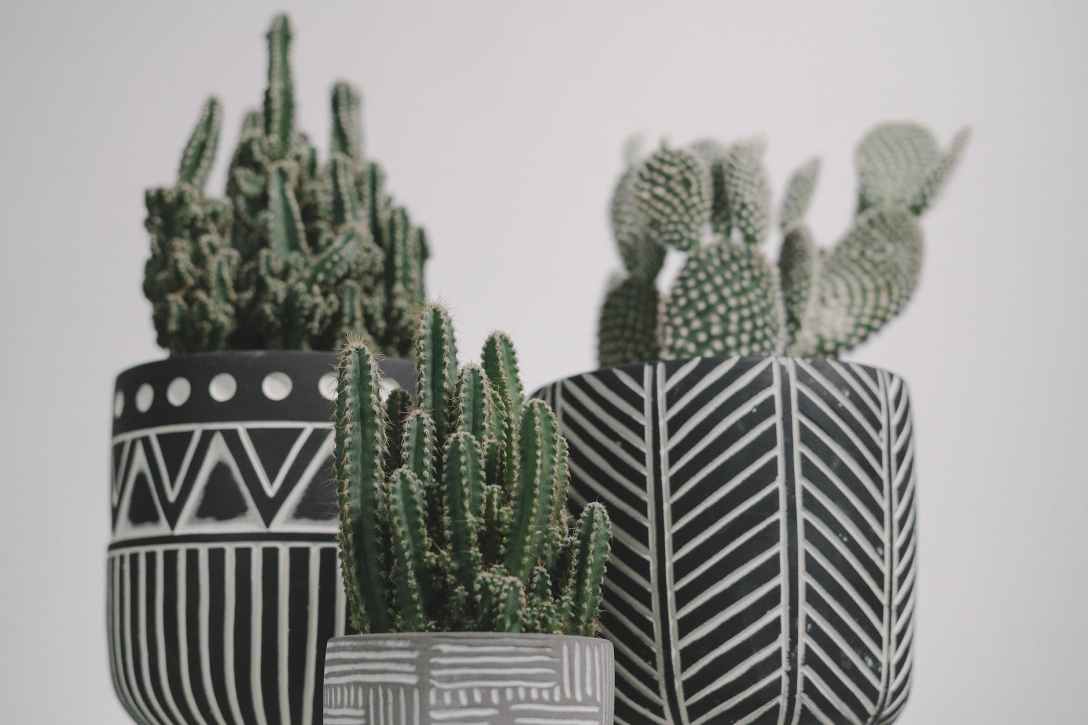
The cactus is a popular houseplant indoors and outdoors. Despite their thorny structures, many fall in love with this plant because it is so self-reliant. If you to grow your own cactus, can you propagate a cactus from cactus pads?
Yes, you can propagate a cactus from cactus pads. To remove a cactus pad, you must use tongs, gloves, and a sterilized knife to prevent cross-contamination. Wait for the plant’s wounds to callous and then sturdily plant the cactus pad in a pot filled with damp soil or a glass vessel with water.
To gain information on how to propagate a cactus from a cactus pad and more information on the cactus, continue reading below.

Tools
The most popular kind of cactus to easily propagate is the padded cactus or plants in the Opuntieae tribe. This is because they have cactus pads, or “prickly pears”. A cactus can also be propagated from its stem, but pads are your best bet. Besides getting past the pesky spikes, cactus propagation t is a relatively easy process! (Source)
First, you need trustworthy gloves. These need to be designed for handling a cactus or extremely durable because the spikes of a cactus are certainly painful! The most popular choice material is leather, but another option is nitrile-dipped working gloves. Leather can still be broken through by spikes because leather resembles skin, so nitrile-dipped gloves are better for resisting multiple thin spikes. For long spikes, the best bet is to layer gloves no matter the material. Long sleeves are also a good idea. (Source)
Second, you need a cutting tool. This can be a knife or razor, but tongs are recommended to hold the pad steady as you take on this dangerous task. Pruning shears are also not recommended because clean cuts without jagged edges give the best results. The sharp tool needs to be sterilized to prevent cross-contamination and death of the cactus pad. (Source)
Third, you need a place to garden. This can be a pot of soil or an outside garden, but good cactus soil is gritty and does not need much potting soil. Because the cactus can do well with little water, proper drainage is extremely important. You can also purchase pre-made cactus soil or a cactus grower. Make sure the setting is in a place with indirect lighting. (Source)
Step 1: Preparation
To start the propagation process, cut a cactus pad off of the cactus. Make sure the pad looks healthy and green. Sometimes cactus pads are able to pop off easily, but for the stubborn ones, there is no way to do it other than giving it a shot with your best knife! You can also buy prepared cactus pads online, but for a more organic experience, cutting off the cactus pad is the way to go.
After obtaining your cactus pad, the process comes to a halt for a few days. Place the cactus pad in a bright location so that the cuts you made can callous over and prevent any infection of the plant. This also prevents bacteria or fungus from getting into the structure of your cactus.
Step 2: Planting
Once you have your soil ready and the cactus pad is calloused and healthy, it’s time to place your new cactus! You want the cutting to remain close to the surface because a cactus will prefer shallow roots. This is because when a cactus does receive water, it can be collected and stored as quickly as possible. Again, make sure the setting is not directly under bright light. If your cactus is in a pot, it can do well on the window seal, kitchen counter or nightstand.
The best way to give your cactus some healthy roots is to mist the soil every day or two. After 2 to 3 weeks, it is time to do the ultimate test. Give your cactus a light tug and if there is resistance, then your cactus has created strong roots and is off to a great start! (Source)
You can also root your cactus in water, however it is more tricky. You need a glass pot (a see through vessel is not necessary, but very cool!) and regular water. The difference between propagating with water and soil is that with water, your cactus pad needs to have some stem left so that roots can grow deeper rather than shallow. Do not include any leaves.
You can cover the top of the glass with a plastic wrap with a whole for the top to stem through. This adds structure for your plant as it begins to grow. You can place the stem slightly above or completely in the water. Placing your cactus slightly above water is thought to create stronger roots as they need to gravitate and work towards the moisture. Set your glass vessel near lots of light because this plant will take longer and need more strength to propagate than with traditional soil. Check the water levels regularly and if it gets murky, replace it with clean water to prevent infection. (Source)

Cactus Pad Uses
What is a cactus pad and why would you want to propagate in the first place? “Nopales” in Spanish, a cactus pad is the flat leaf of a cactus. The cactus is a durable plant mostly seen in desert regions in the Americas. A healthy cactus pad is green, sturdy and without dark, moldy spots. They are spiky, fleshy and even edible! Cactus pads have been used in recipes in indigenous cultures for thousands of years. The flavor is similar to that of a green vegetable, such as asparagus, green peppers, zucchini or green beans. A cactus pad is mild in flavor, crunchy and slightly sour.
The cactus pad is slightly sticky, which is a great thickening agent for soup. A highly nutritious option, a cactus pad is full of protein, calcium, fiber, vitamin C and anti-inflammatory properties. When cooking a cactus pad, choose one that is small, firm and bright green. Boiling or sautéing a cactus pad are the best options. (Source)
Whether it is to create traditional meals or add to your plant collection, propagating a cactus from a cactus pad is easy as it is rewarding!
 Isabelle Justice