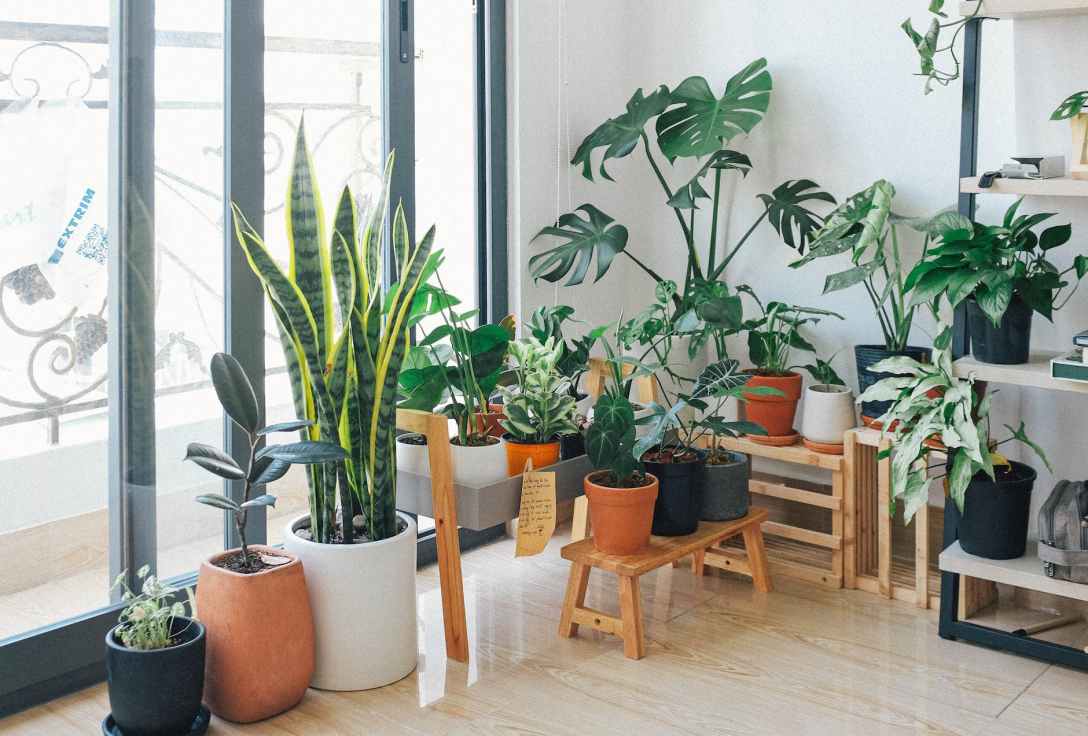
Plant care is trendy, but if you’ve given it a shot, you know that plants are picky and need a specific kind of care. Luckily, there is a variety of plants that do well indoors. We have created a list based on three factors: the ability to improve air quality, endurance without water, and light needed. Once you find the right plant based on your environment, these will help you create that Pinterest-worthy home.
1. Golden Pothos
Native to the Solomon Islands, the Golden Pothos is one of the easiest houseplants to grow because of its endurance. The Golden Pothos botanical name is Epipremnum aureum and they are a vine plant type. Golden Pothos can grow 12 to 18 inches in a month, so be sure to keep them maintained by cutting unhealthy or excessive stems. The Golden Pothos can be easily propagated from a healthy stem placed in a water vase. After the roots have grown several inches long, it is ready to be planted in a pot. It is also important to note that Golden Pothos are toxic to pets and humans if eaten, but the Golden Pothos is included on NASA’s list of recommended plants for air purification. (Source)
2. Spider Plant
If you have pets or little ones, and plant toxicity is a concern, the spider plant is a great choice! The Spider Plant originates from multiple climates in Africa, so their adaptability makes them a great indoor house plant. The Spider Plant’s botanical name is Chlorophytum comosum and they are known for their greenery. Spider plants fare well in hanging pots, making them perfect for dorm rooms. They do best in bright indirect light and away from cold drafts. This plant is also on NASA’s recommended plant air purification list and in their study, the spider plant was able to remove approximately 90% of formaldehydes in the air. Formaldehydes are toxins that are naturally found in the home from construction materials or food. It can worsen allergies and cause rashes, so for health’s sake, the spider plant provides a safe home for all. (Source)
3. Aloe Vera
This succulent is more than just a decoration, Aloe Vera is known for its healing properties for sunburns and scrapes. However, Aloe Vera’s gel should only be used topically and are toxic if eaten by people or pets. Its botanical name is simply Aloe vera and this house plant does well on a window seal as it enjoys bright, indirect light. Artificial light is another great option if bright light is unavailable in your home. Water your Aloe Vera plant infrequently, but when you do, make sure the soil is very damp. This is a great starter plant because care is essential, but does not demand your attention daily.
4. ZZ Plant
Has every plant you’ve ever owned died miraculously or do you consider yourself a “brown thumb”? Then the ZZ Plant should be your next buy. Known for being an “indestructible” house plant that can handle neglect and low lighting, the ZZ Plant requires little water. Its botanical name is Zamioculcas zamiifolia, so many shorten its name to ZZ. It has the characteristics of Cacti so it is perfect for the beginner gardener. For this plant, less really is more! (Source)

5. Snake Plant
Not to be confused with the Spider plant, the Snake Plant one of, if not, the most oxygen-producing indoor plant. Its botanical name is Sansevieria trifasciata and they are easy to care for because they can live in low light conditions with little watering. Snake Plants are perfect for indoors because of how effective they are in improving air quality. They generally require low amounts of maintenance and absorb toxins and formaldehyde just like the Spider Plant. What makes these plants different is that the Snake Plant is better suited for a large pot placed on the floor. The Spider and Snake Plant are both great options, it simply depends on which decor you would like for your home. (Source)
6. Azalea
If you are looking for a flower to brighten your home, Azaleas are easy to care for, especially for shaded and cooler areas. Its botanical name is Rhododendron and it is important to note is that Azaleas are easily damaged by overwatering and desperately need proper drainage. If this does not happen, Azaleas will develop root rot diseases. While this may seem daunting at first, this is a great shallow-planted flower that teaches its caregiver the importance of proper watering and a shaded environment. (Source)
7. Majesty Palm
Majesty Palms are great for adding a tropical feel to a not-so-tropical home. Their botanical name is Ravenea rivularis and is indeed a tropical plant. Despite other tropical plants, Majesty Palms are low maintenance, resilient, and grow slowly. They can handle low light levels but do best in indirect light. Some misting from a spray bottle to maintain humidity should keep your palm plant happy. Majesty Palms are best suited in warmer conditions, so cold homes are not a great fit. (Source)
8. Rubber Plant
The Rubber Plant is a great addition as an indoor house plant. Their botanical name is ficus elastica and do best in bright, indirect sunlight with a well-drained pot. Rubber Plants do not need to be watered frequently and can grow to extreme heights. They are a tree plant type, but don’t let that intimidate you. With a bit of trimming and love, these little trees are a great addition to any apartment.

9. Boston Fern
Last but certainly not least, the Boston Fern is also known for its ability to purify the air. It’s botanical name is Nephrolepis exaltata and they can thrive in hanging pots like the Spider Plant. What makes them different is that the Boston Fern enjoys humidity. If they are placed in a dry climate, a spritz of water from a spray bottle will do the trick to keep the soil and leaves damp, just like the Majesty Palm. The Boston Fern is certainly a dainty addition to a living space. (Source)
 Isabelle Justice